
Anúncios
The FIFA World Cup stands as the pinnacle of international football, uniting billions of fans worldwide in a celebration of sport, culture, and national pride every four years.


Since its inception in 1930, this prestigious tournament has evolved into the most-watched sporting event on the planet, surpassing even the Olympic Games in viewership. The World Cup transcends geographical boundaries, linguistic barriers, and cultural differences, creating moments of pure magic that resonate across generations.
Anúncios
From unforgettable goals to dramatic penalty shootouts, from underdog victories to the crowning of football legends, the World Cup has given us countless memories that define not just sport, but human emotion and collective experience. Let’s explore the rich tapestry of this extraordinary tournament and understand why it captures the imagination of billions.
⚽ The Origins and Evolution of Football’s Greatest Tournament

The FIFA World Cup was born from the vision of Jules Rimet, the French FIFA president who believed that a global football competition could promote peace and unity among nations. The inaugural tournament took place in Uruguay in 1930, with just 13 teams participating. Uruguay, celebrating its centenary of independence, won the first trophy on home soil, defeating Argentina 4-2 in the final.
Anúncios
The early editions faced significant challenges, including World War II, which forced the cancellation of the 1942 and 1946 tournaments. However, the competition resumed in 1950 with renewed vigor, hosted by Brazil. That edition produced one of football’s greatest upsets when Uruguay defeated the heavily favored Brazilian hosts in what became known as the “Maracanazo.”
Over the decades, the tournament expanded from 16 teams to 24 in 1982, then to 32 in 1998, and is set to feature 48 teams starting in 2026. This growth reflects football’s increasing global reach and the desire to include more nations in the world’s premier sporting spectacle.
🏆 Format Changes and Modern Structure
Today’s World Cup follows a rigorous qualification process spanning nearly three years. Continental confederations conduct their own qualifying tournaments, with slots allocated based on regional strength and FIFA’s development objectives. From there, it’s single-elimination football until the final, where a new world champion is crowned.
🌍 Iconic Moments That Defined World Cup History
The World Cup has produced countless moments etched forever in sporting folklore. These instances transcend the game itself, becoming cultural touchstones that define eras and inspire future generations of players and fans alike.
Pelé’s emergence as a 17-year-old prodigy in 1958 announced Brazil’s arrival as a football superpower. His tears of joy after scoring in the final against Sweden remain one of sport’s most emotional images. Diego Maradona’s controversial “Hand of God” goal and his sublime solo effort against England in 1986 showcased both the controversial and sublime sides of football genius.
Zinedine Zidane’s headbutt in the 2006 final shocked the world, ending the French maestro’s career in infamy despite his legendary status. Germany’s 7-1 demolition of Brazil in the 2014 semi-final on Brazilian soil traumatized a nation but demonstrated the ruthless efficiency of German football.
🎯 Goals That Changed Everything
Certain goals transcend mere statistics to become defining moments in World Cup lore. Geoff Hurst’s controversial “ghost goal” in the 1966 final still sparks debate decades later. Marco Tardelli’s primal scream celebration after scoring for Italy in 1982 captured the raw emotion of World Cup glory.
Roberto Baggio’s missed penalty in the 1994 final shootout against Brazil left one of football’s most gifted players standing alone in devastation, his image symbolizing how cruel the sport can be. More recently, Mario Götze’s extra-time winner for Germany in 2014 showcased the dramatic tension that makes World Cup finals so compelling.
🏅 The Legendary Champions and Their Dynasties
Brazil reigns supreme with five World Cup titles (1958, 1962, 1970, 1994, 2002), establishing themselves as the most successful nation in tournament history. Their flowing, artistic style known as “Jogo Bonito” has influenced football philosophy worldwide and produced legends like Pelé, Ronaldo, Ronaldinho, and Romário.
Germany and Italy share second place with four titles each. Germany’s (including West Germany) systematic approach and mental strength have made them perennial contenders, appearing in a record eight finals. Italy’s tactical sophistication and defensive excellence, exemplified by their “Catenaccio” system, brought them glory in 1934, 1938, 1982, and 2006.
Argentina’s passionate football yielded titles in 1978, 1986, and most recently in 2022, when Lionel Messi finally achieved his World Cup dream in Qatar. France’s multicultural squads won in 1998 and 2018, while Uruguay’s two titles came in the tournament’s infancy, and England and Spain have claimed one championship each.
📊 Statistical Dominance Through the Decades
| Country | Titles | Runner-up | Total Finals |
|---|---|---|---|
| Brazil | 5 | 2 | 7 |
| Germany | 4 | 4 | 8 |
| Italy | 4 | 2 | 6 |
| Argentina | 3 | 3 | 6 |
| France | 2 | 2 | 4 |
⭐ Individual Brilliance: The Golden Boot and Golden Ball
The Golden Boot, awarded to the tournament’s top scorer, has been claimed by legends across generations. Just Fontaine’s remarkable 13 goals in 1958 remains an untouchable record. Gerd Müller, Ronaldo, Miroslav Klose, and Harry Kane are among those who’ve worn the scoring crown with distinction.
Miroslav Klose holds the all-time World Cup scoring record with 16 goals across four tournaments (2002-2014), surpassing Ronaldo’s 15 goals. This consistency at the highest level demonstrates exceptional longevity and class.
The Golden Ball, recognizing the tournament’s best player, has honored luminaries like Diego Maradona (1986), Zinedine Zidane (1998), and Lionel Messi (2014, 2022). These awards immortalize individual excellence within the team context that defines World Cup success.
🎭 The Cultural Impact Beyond the Pitch
The World Cup’s influence extends far beyond the 90 minutes of action on the field. Host nations undergo massive infrastructure development, building or renovating stadiums, transportation networks, and hospitality facilities. While these projects generate economic activity, they also spark debates about sustainability, displacement, and long-term utility.
The tournament serves as a platform for nations to showcase their culture, hospitality, and organizational capabilities to a global audience. South Africa 2010 brought the World Cup to Africa for the first time, accompanied by the unforgettable sound of vuvuzelas. Russia 2018 surprised many visitors with its warm hospitality, challenging preconceptions.
Qatar 2022 represented the first Middle Eastern World Cup, albeit amid significant controversy regarding human rights, labor conditions, and the decision to hold the tournament in winter rather than the traditional summer slot. These debates reflect how the World Cup has become a stage for broader societal discussions.
🎵 Anthems, Mascots, and Marketing Magic
Each World Cup creates its own cultural artifacts that become inseparable from tournament memories. Official songs like Shakira’s “Waka Waka” (2010) and Ricky Martin’s “La Copa de la Vida” (1998) became global hits, transcending sport to dominate popular culture.
Mascots ranging from Willie the Lion (1966) to La’eeb (2022) provide family-friendly branding that helps commercialize the event while creating accessible entry points for younger fans. These characters become collectibles and nostalgic symbols of their respective tournaments.
🔮 The Future: 2026 and Beyond
The 2026 World Cup marks a historic milestone as the first edition to feature 48 teams and the first co-hosted by three nations: the United States, Canada, and Mexico. This expansion aims to make the tournament more inclusive, allowing more countries to experience World Cup participation.
The format will feature 16 groups of three teams each, with the top two from each group plus the eight best third-place finishers advancing to a 32-team knockout stage. This structure guarantees more matches (104 versus the current 64) and extends the tournament duration.
Critics argue that expansion dilutes quality and makes the group stage less competitive, potentially producing more one-sided matches. Supporters counter that football’s global growth justifies providing more opportunities and that competitive balance has improved significantly worldwide.
🌱 Sustainability and Social Responsibility
Future World Cups face increasing pressure to demonstrate environmental and social responsibility. FIFA has committed to making the 2026 tournament carbon-neutral through various initiatives, including renewable energy use, waste reduction, and offset programs.
The selection of future hosts now involves more stringent human rights assessments, labor standards evaluations, and environmental impact studies. These developments reflect growing awareness that sporting mega-events carry responsibilities beyond entertainment and economic benefit.
💭 Why the World Cup Matters to Billions
The World Cup’s universal appeal stems from its unique ability to unite people across all divides. For one month every four years, the world focuses on a shared experience that generates collective joy, heartbreak, pride, and passion. Small nations can challenge superpowers on equal terms, creating upset possibilities that captivate neutral observers.
The tournament provides escape from daily struggles, offering moments of pure emotion that remind us of our shared humanity. When an underdog nation advances beyond expectations, entire countries celebrate together, creating memories that last lifetimes and inspire future generations.
For players, representing their nation at the World Cup represents the ultimate honor and the culmination of childhood dreams. The pressure is immense, the scrutiny relentless, but the reward—immortality among footballing legends—drives athletes to extraordinary performances.
🏟️ Creating Lifelong Memories
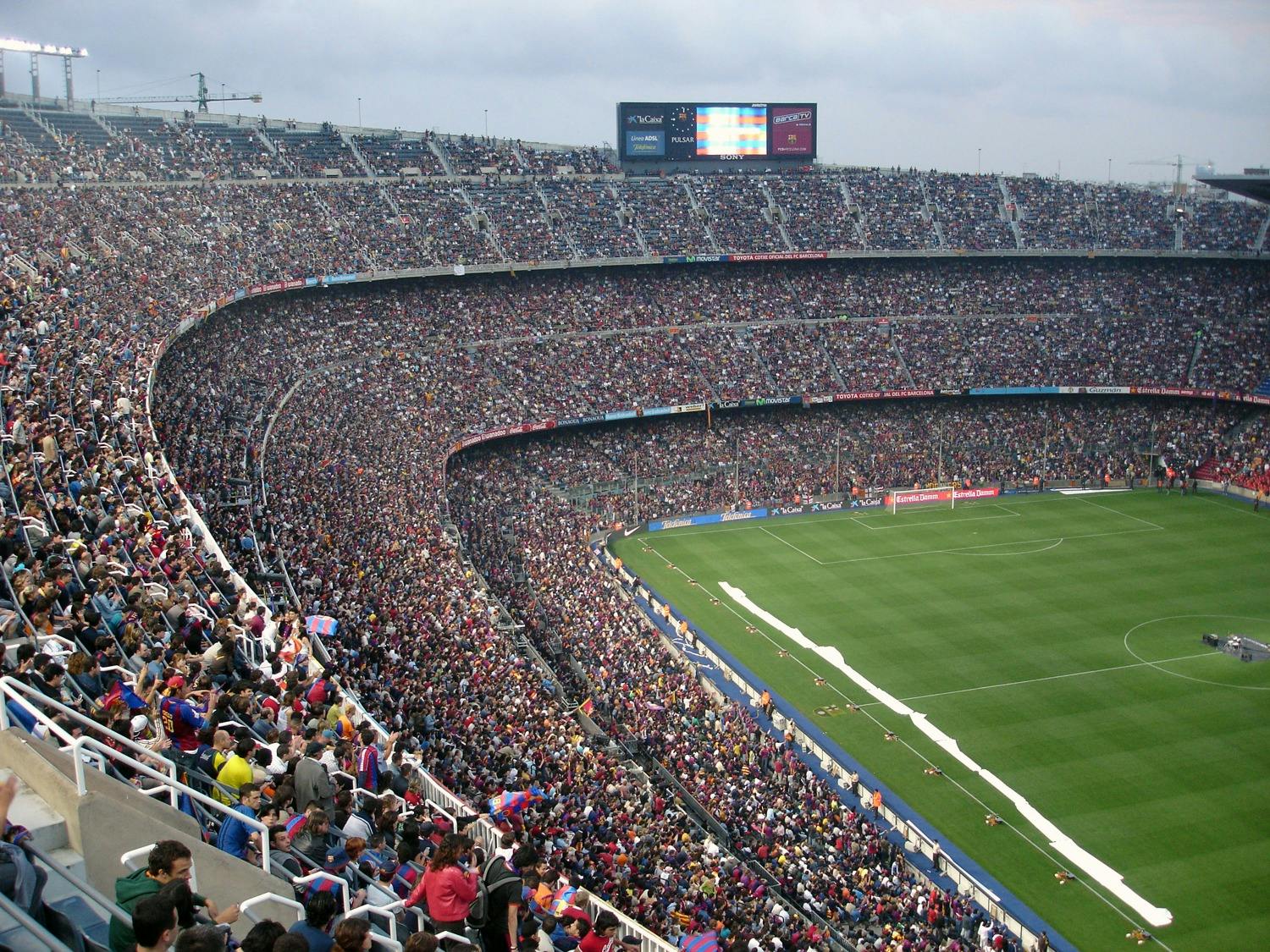
Fans who attend World Cup matches often describe them as life-changing experiences. The atmosphere inside stadiums, surrounded by thousands sharing your passion, creates an emotional intensity unmatched in sport. The camaraderie among supporters of different nations, united by love of the game, exemplifies sport’s power to bridge differences.
For those watching from home, World Cup gatherings become cherished traditions. Families and friends assemble around televisions, sharing the emotional rollercoaster of each match, creating bonds strengthened through shared experience. These moments form the fabric of personal and collective memory.
🎓 Lessons From the Beautiful Game
The World Cup teaches us profound lessons beyond football tactics. It demonstrates that preparation, teamwork, and resilience matter more than individual talent alone. Teams built on cohesion and collective identity often outperform collections of individual stars lacking unity.
The tournament shows that underdogs can triumph when belief, strategy, and opportunity align. Cinderella stories like Costa Rica’s quarterfinal run in 2014 or Croatia’s final appearance in 2018 inspire us to challenge limitations and exceed expectations.
We learn that handling pressure distinguishes champions from contenders. The world’s biggest stage reveals character, separating those who rise to the occasion from those who wilt under scrutiny. These lessons resonate far beyond sport, applicable to challenges we all face.
🌟 The Eternal Allure of World Cup Glory
As the World Cup continues evolving, its fundamental appeal remains constant: the pursuit of glory representing your nation on football’s grandest stage. Whether you’re a player dreaming of lifting the trophy, a fan supporting your country through triumph and disappointment, or a neutral observer captivated by the drama, the World Cup offers something magical.
The tournament reminds us that football, at its best, transcends the sport itself to become a celebration of human potential, emotion, and unity. Every four years, we’re reminded why we fell in love with the beautiful game and why the World Cup remains unmatched in its ability to captivate, inspire, and unite billions worldwide.
The next chapter awaits, with new heroes ready to etch their names into history, new moments preparing to take our breath away, and new memories waiting to be created. The World Cup endures because it speaks to something fundamental in the human spirit—our desire to dream, compete, and celebrate together in pursuit of glory.
