
Anúncios
The Western genre has shaped cinema history with its iconic landscapes, moral dilemmas, and unforgettable characters that continue captivating audiences worldwide.


From dusty trails to epic gunfights, Western films represent a unique blend of adventure, drama, and raw human emotion. These cinematic masterpieces have transcended generations, offering timeless stories about justice, revenge, redemption, and the untamed spirit of the American frontier.
Anúncios
Whether you’re a longtime fan or discovering the genre for the first time, exploring the best Western films opens a window into a world where honor is tested, heroes are flawed, and the landscape itself becomes a character in the story. Let’s saddle up and ride through cinema’s most memorable frontier adventures. 🤠
The Golden Age of Classic Westerns 🎬

The 1950s and 1960s represent the pinnacle of traditional Western filmmaking. Directors like John Ford crafted visual poetry on horseback, while actors such as John Wayne became synonymous with the cowboy archetype. These films established conventions that would define the genre for decades.
Anúncios
The Searchers (1956) stands as John Ford’s masterwork and possibly the greatest Western ever made. John Wayne delivers his most complex performance as Ethan Edwards, a Civil War veteran consumed by obsession during his years-long quest to rescue his kidnapped niece. The film’s stunning Monument Valley cinematography and exploration of racism and redemption elevated Western storytelling to new artistic heights.
High Noon (1952) revolutionized the genre with its real-time narrative structure. Gary Cooper’s Marshal Will Kane faces moral abandonment as his town refuses to help him confront returning outlaws. The film’s ticking-clock tension and social commentary made it both thrilling entertainment and profound allegory about courage and community responsibility.
Rio Bravo (1959) showcases Howard Hawks’ response to High Noon’s themes. John Wayne leads a small group defending a jail against a powerful rancher’s gang. Unlike High Noon’s isolation, this film celebrates camaraderie and professional competence, creating a warmer, more optimistic vision of frontier justice.
Spaghetti Westerns: Italian Innovation 🇮🇹
The 1960s witnessed European filmmakers reinventing the Western with distinctive style and moral ambiguity. Italian director Sergio Leone transformed the genre forever, replacing American optimism with cynicism, operatic violence, and Ennio Morricone’s unforgettable scores.
The Good, the Bad and the Ugly (1966) represents the spaghetti Western at its finest. Clint Eastwood, Lee Van Cleef, and Eli Wallach engage in a three-way treasure hunt during the Civil War. Leone’s extreme close-ups, extended silences, and explosive action sequences created a visual language that influenced filmmakers worldwide.
The film’s final Mexican standoff remains cinema’s most iconic three-way duel. Morricone’s score builds unbearable tension as the camera cuts between weathered faces and twitching hands. When violence erupts, it feels both inevitable and shocking—a trademark of Leone’s genius.
Once Upon a Time in the West (1968) elevated Leone’s artistry even further. This epic meditation on civilization replacing wilderness features Henry Fonda cast brilliantly against type as a cold-blooded killer. Every frame feels composed like a painting, with the railroad’s arrival symbolizing the frontier’s death.
A Fistful of Dollars (1964) launched both Leone’s career and Eastwood’s stardom. This loose remake of Akira Kurosawa’s Yojimbo introduced the iconic “Man with No Name” character—a poncho-wearing antihero who manipulates rival gangs for profit. The film’s minimalist dialogue and stylized violence established spaghetti Western conventions.
Revisionist Westerns: Deconstructing Myths 🔍
As social consciousness evolved in the 1970s, filmmakers began questioning Western mythology. These revisionist works examined the genre’s racial politics, violence, and romanticized history with critical eyes, creating more complex and morally ambiguous narratives.
The Wild Bunch (1969) directed by Sam Peckinpah shattered traditional Western heroism. Aging outlaws facing obsolescence in 1913 Mexico deliver brutal violence filmed with revolutionary slow-motion choreography. The film’s graphic carnage and nihilistic worldview shocked audiences but honestly portrayed the West’s savage reality.
Peckinpah’s masterpiece questions whether honor and loyalty retain meaning in a changing world. The final massacre, where the protagonists choose certain death over compromise, remains one of cinema’s most intense and philosophical action sequences.
Unforgiven (1992) represents Clint Eastwood’s mature reflection on violence and Western mythology. An aging killer accepts one last job, confronting his brutal past. The film dismantles romantic notions of gunfighters, showing violence as ugly, difficult, and morally corrosive rather than heroic.
Gene Hackman’s sadistic sheriff and Richard Harris’ English Bob deconstruct different Western archetypes. Eastwood’s direction emphasizes moral complexity—there are no simple heroes or villains, only damaged people making difficult choices with tragic consequences.
Neo-Westerns: Modern Frontier Stories 🌆
Contemporary filmmakers continue exploring Western themes in modern settings or with fresh perspectives. These neo-Westerns maintain the genre’s core concerns—justice, honor, violence, and frontier mentality—while adapting them to different contexts and sensibilities.
No Country for Old Men (2007) transplants Western archetypes to 1980 Texas. The Coen Brothers craft a philosophical thriller about fate, violence, and moral decay. Javier Bardem’s Anton Chigurh becomes a mythic figure of death itself, while Tommy Lee Jones’ sheriff represents fading traditional values.
The film’s sparse dialogue and meditative pacing create existential dread. Like classic Westerns, it explores how individuals respond when law and civilization prove inadequate against chaos. The landscape remains a character—vast, indifferent, and beautiful.
True Grit (2010) sees the Coen Brothers tackle Western material directly. Their adaptation of Charles Portis’ novel focuses on 14-year-old Mattie Ross seeking vengeance for her father’s murder. Jeff Bridges’ Rooster Cogburn delivers gruff charm while Hailee Steinfeld’s determined performance anchors the film.
This version emphasizes the novel’s darkly comic tone and biblical language. The Coens create a West that feels authentically harsh and unglamorous, where justice requires determination and resilience more than heroic gunfighting.
International Western Perspectives 🌍
While Americans pioneered the Western, international filmmakers have contributed unique perspectives. These films demonstrate how Western themes resonate across cultures and how different traditions enrich the genre with fresh visual styles and thematic concerns.
Sukiyaki Western Django (2007) by Takashi Miike represents Japanese reinterpretation of the Western. This wildly stylized film blends spaghetti Western aesthetics with samurai cinema traditions, creating a hyperkinetic experience that honors both genres while remaining distinctly original.
Australian Westerns like The Proposition (2005) transplant frontier brutality to the outback. Director John Hillcoat crafts a savage meditation on civilization and barbarism in 1880s Australia. The scorched landscape and moral extremity create an oppressive atmosphere unique to Australia’s colonial history.
Essential Viewing: Underrated Gems 💎
Beyond the canonical classics, numerous lesser-known Westerns deserve recognition. These films may lack widespread fame but offer equally compelling storytelling, innovative filmmaking, or unique perspectives on frontier life.
McCabe & Mrs. Miller (1971) shows Robert Altman’s revisionist approach. Warren Beatty’s small-time gambler builds a brothel in a Pacific Northwest mining town, partnering with Julie Christie’s entrepreneurial madam. Altman’s naturalistic dialogue and Leonard Cohen’s haunting soundtrack create melancholic poetry about capitalism and community.
The film’s visual style—soft focus, muted colors, overlapping conversations—rejects Western conventions. Instead of heroic gunfights, violence erupts suddenly and meaninglessly. The tragic ending offers no redemption, only quiet loss in falling snow.
The Assassination of Jesse James by the Coward Robert Ford (2007) presents a meditative character study. Brad Pitt’s Jesse James becomes a celebrity outlaw paranoid about betrayal, while Casey Affleck’s Bob Ford desperately seeks recognition. Roger Deakins’ cinematography creates haunting beauty in every frame.
Director Andrew Dominik explores fame, masculinity, and myth-making with literary sophistication. The deliberately paced narrative builds psychological tension rather than action, culminating in the inevitable assassination that delivers neither glory nor satisfaction.
Why Westerns Endure: Timeless Themes 🕰️
The Western’s enduring appeal stems from exploring fundamental human concerns through distinctive settings. These films examine how individuals create meaning, establish justice, and maintain honor in environments where traditional social structures prove inadequate or absent.
Frontier settings strip away civilization’s comforts, forcing characters to reveal essential nature. Whether facing hostile landscapes, violent conflicts, or moral dilemmas, Western protagonists must rely on personal codes when law and community offer insufficient guidance.
The genre also provides rich terrain for exploring American identity and mythology. Westerns examine concepts of manifest destiny, individualism versus community, and the costs of progress. Even films celebrating frontier heroism implicitly acknowledge the violence and displacement accompanying westward expansion.
Visual Language: Landscapes and Cinematography 📸
Western cinematography transforms natural landscapes into emotional and thematic expressions. Monument Valley’s towering buttes, the desert’s harsh beauty, and mountain ranges’ majesty become more than backdrops—they embody characters’ internal struggles and the frontier’s promise and danger.
Directors utilize wide shots to emphasize human insignificance against vast nature, creating visual metaphors for existential isolation. Conversely, extreme close-ups during confrontations intensify psychological warfare, making audiences feel every bead of sweat and flicker of fear.
The genre’s visual grammar influences filmmaking across genres. Slow-motion violence, dramatic standoffs, and silhouetted figures against sunsets have become cinematic shorthand recognized worldwide, demonstrating the Western’s profound impact on visual storytelling.
Music and Sound: Creating Atmosphere 🎵
Western soundtracks profoundly shape viewer experience. From traditional orchestral scores to Ennio Morricone’s innovative compositions incorporating gunshots, whistles, and electric guitars, music establishes mood and amplifies dramatic tension.
Morricone’s work particularly revolutionized film scoring. His themes for Leone’s films—haunting, operatic, and unconventional—became inseparable from the images. The ecstatic coyote howl in The Good, the Bad and the Ugly or the mournful harmonica in Once Upon a Time in the West evoke specific emotional landscapes.
Sound design also matters crucially. The distinctive crack of gunfire, creaking leather saddles, jangling spurs, and howling wind create immersive audio environments. Silence itself becomes a powerful tool, building tension before explosive violence.
Character Archetypes: Heroes and Antiheroes 🎭
Westerns established enduring character types. The righteous lawman, cynical gunfighter, ruthless outlaw, and determined settler represent different responses to frontier challenges. These archetypes provide frameworks that filmmakers either embrace or subvert.
Classic Westerns featured clear moral divisions—heroes wore white hats, villains black. Later films complicated this simplicity, creating antiheroes whose morality exists in grey zones. Characters like Eastwood’s Man with No Name or Unforgiven’s William Munny possess heroic qualities while remaining fundamentally self-interested or morally compromised.
Female characters evolved significantly across Western history. Early films relegated women to victims or civilizing influences. Later works like Johnny Guitar (1954) and The Quick and the Dead (1995) centered complex female protagonists who challenged genre conventions.
Watching Westerns Today: Streaming and Accessibility 📱
Modern audiences enjoy unprecedented access to Western classics and obscure gems through streaming platforms. Services like Criterion Channel, HBO Max, and specialty apps dedicated to classic cinema make exploring the genre easier than ever.
For devoted Western enthusiasts, dedicated mobile applications provide curated collections spanning the genre’s history. These platforms offer convenient ways to discover lesser-known titles, track viewing progress, and explore thematic connections between different eras and styles.
Physical media collectors also benefit from beautiful restorations and special editions. Companies like Criterion, Arrow, and Kino Lorber release definitive versions with scholarly commentary, revealing how much craft and artistry these films contain.
The Genre’s Future: New Frontiers Ahead 🚀
Contemporary filmmakers continue finding fresh approaches to Western storytelling. Recent works explore diverse perspectives, including indigenous viewpoints long marginalized in traditional narratives. Films examining frontier history through Native American, African American, and immigrant experiences enrich the genre substantially.
Projects like The Harder They Fall (2021) celebrate Black cowboys and outlaws historically erased from Western mythology. These revisionist approaches don’t abandon the genre’s appeal but expand whose stories deserve telling and how frontier history should be remembered.
International filmmakers also keep reinterpreting Western themes. Whether Korean takes on frontier justice or Brazilian explorations of outback violence, global cinema demonstrates that Western concerns—survival, justice, community—resonate universally regardless of specific cultural context.
Building Your Western Collection: Where to Start 🎯
For newcomers wondering where to begin, starting with acknowledged masterpieces provides solid foundation. Watch Leone’s Dollars Trilogy and Once Upon a Time in the West to understand spaghetti Westerns’ revolutionary impact. Experience Ford’s The Searchers and Hawks’ Rio Bravo for classic Hollywood excellence.
Then explore revisionist works like The Wild Bunch and Unforgiven to see how the genre evolved and questioned its own mythology. This progression reveals how Westerns reflected changing social attitudes and filmmaking innovations across decades.
Don’t neglect lesser-known titles. Films like Lonely Are the Brave (1962), Hombre (1967), or Open Range (2003) offer rewarding experiences that expand understanding of the genre’s breadth and continued vitality.
The Western Spirit Lives On 🌟
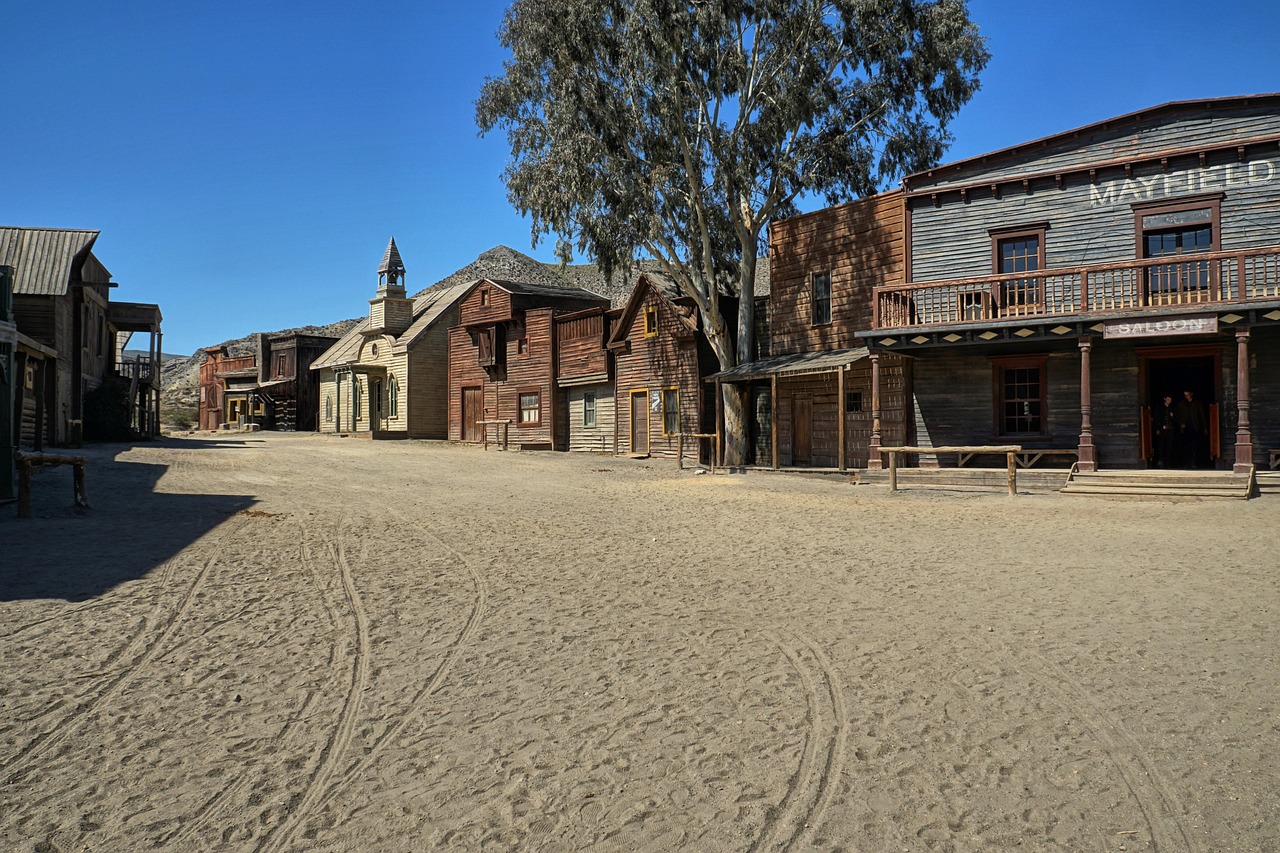
Whether through dusty frontier towns or modern urban landscapes channeling Western energy, this genre continues captivating audiences because it addresses eternal questions about justice, courage, and human nature. The best Western films transcend their historical settings to explore what people become when tested by harsh circumstances.
These cinematic journeys across prairies and deserts, through moral ambiguity and blazing gunfights, remind us why storytelling matters. Westerns at their finest combine visceral excitement with philosophical depth, spectacular landscapes with intimate character studies, entertainment with art.
As long as audiences crave stories about individuals facing challenges with courage and moral conviction, Westerns will endure. The frontier may have closed historically, but cinematically it remains forever open—an endless landscape for exploring humanity’s best and worst impulses, our capacity for both violence and redemption, destruction and creation.
So grab your hat, check your six-shooter, and ride into the sunset with these magnificent films. The Western tradition awaits, offering adventures, insights, and unforgettable experiences that prove some stories never grow old—they just get better with time. 🐴
