
Anúncios
In an age dominated by digital convenience, we’re witnessing a quiet renaissance of hands-on craftsmanship and practice-based skills that once defined human ingenuity.
The screens that fill our daily lives have created an unexpected void—a disconnect from the tactile, creative processes that shaped civilizations for millennia. From woodworking to pottery, from gardening to mechanical repair, these forgotten arts are calling us back to a more grounded existence. The revival isn’t just nostalgia; it’s a necessary recalibration of how we interact with the physical world around us.
Anúncios
Today’s generation faces a peculiar paradox: unprecedented access to information about how to do virtually anything, yet diminishing actual ability to perform basic hands-on tasks. Research indicates that fewer young adults can change a tire, sew a button, or fix a leaky faucet than any previous generation. This skills gap represents more than inconvenience—it signals a fundamental shift in human capability and self-reliance.
🛠️ Why Practice-Based Skills Matter More Than Ever
The modern economy increasingly rewards specialized knowledge workers, but this specialization comes at a cost. When we outsource every practical task to professionals or replace analog skills with digital alternatives, we lose something profound. Practice-based skills offer cognitive benefits that purely intellectual work cannot replicate.
Anúncios
Neuroscience reveals that hands-on activities engage multiple brain regions simultaneously, strengthening neural pathways and enhancing problem-solving abilities. The act of transforming raw materials into finished products—whether building furniture or cultivating a garden—creates a feedback loop of planning, execution, and adjustment that sharpens mental acuity.
Beyond cognitive advantages, practical skills provide psychological benefits increasingly recognized by mental health professionals. The tangible results of hands-on work offer immediate satisfaction in a world where many careers produce abstract or delayed outcomes. This concrete achievement combats the anxiety and disconnection prevalent in digital-first lifestyles.
The Economic Case for Hands-On Competence
Financial independence increasingly depends on practical knowledge. Homeowners who can perform basic repairs save thousands annually compared to those who must hire professionals for every minor issue. The ability to maintain, repair, and create extends the lifespan of possessions while reducing dependence on consumer culture’s endless upgrade cycles.
Moreover, vocational skills are experiencing renewed market demand. Skilled tradespeople—electricians, plumbers, welders, and carpenters—often earn comparable or superior incomes to college graduates, frequently with less educational debt. The stigma once attached to manual labor is fading as society recognizes these careers’ essential nature and economic viability.
📚 Rediscovering Traditional Craftsmanship
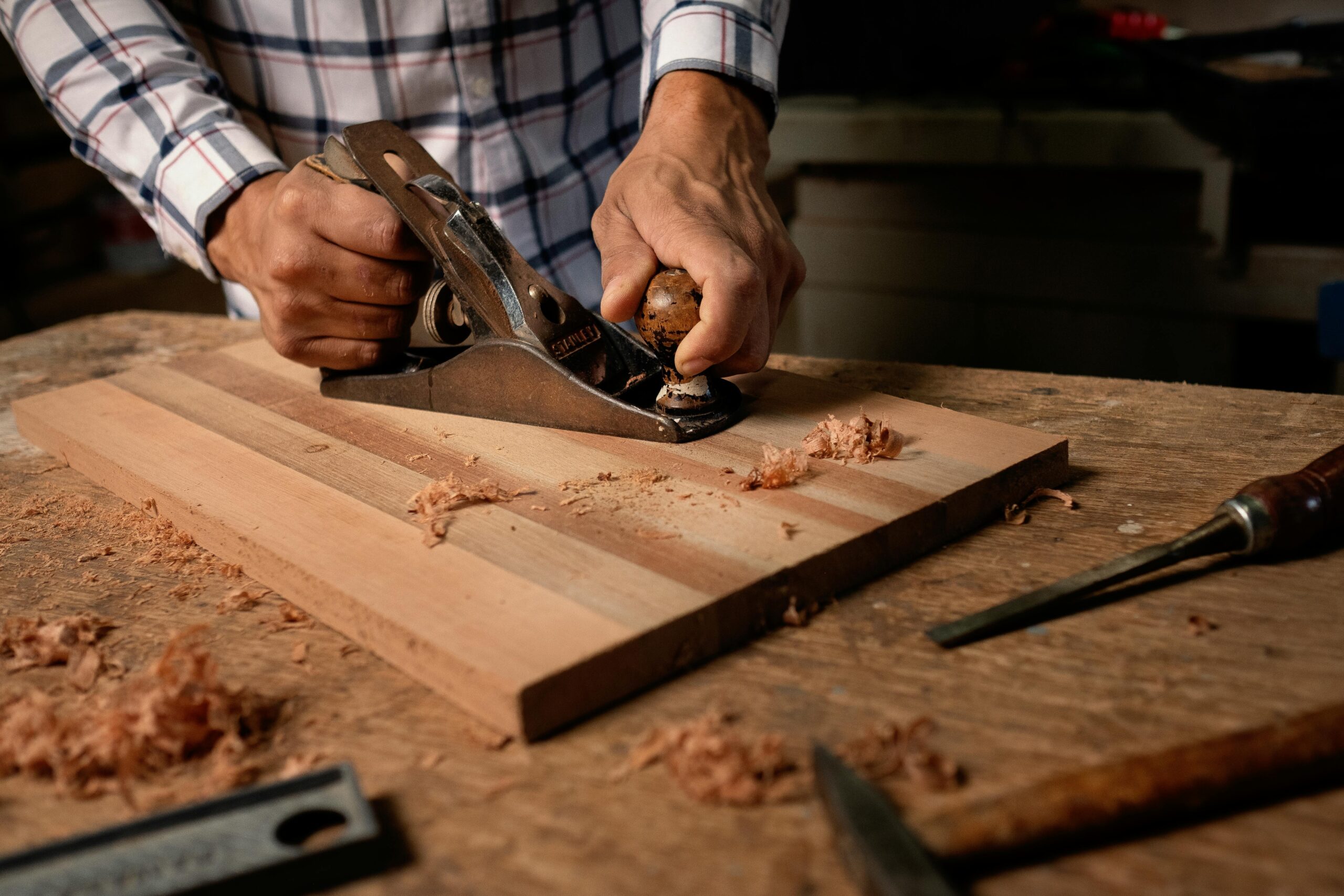
Traditional crafts represent centuries of accumulated wisdom about materials, techniques, and design principles. Woodworking teaches patience and precision; metalworking demands understanding of material properties and structural integrity; textile arts develop fine motor control and spatial reasoning. Each craft embodies a unique knowledge system worthy of preservation and study.
The maker movement has catalyzed renewed interest in traditional techniques, creating communities where enthusiasts share knowledge and resources. Makerspaces, community workshops, and online forums democratize access to tools and instruction that were once gatekept by trade guilds or expensive educational institutions.
Blending Ancient Techniques with Modern Technology
Contemporary craftspeople aren’t rejecting technology—they’re integrating it intelligently with traditional methods. CNC machines can rough-cut wood that artisans then hand-finish. 3D printing enables rapid prototyping of designs that will be executed in traditional materials. Digital documentation preserves endangered techniques while making them accessible worldwide.
This hybrid approach represents the future of hands-on work: respecting traditional knowledge while leveraging modern tools to enhance precision, efficiency, and creative possibilities. The key is maintaining direct physical engagement with materials rather than letting technology completely mediate the creative process.
🌱 Essential Skills Worth Cultivating Today
Certain foundational skills offer disproportionate returns on investment, providing practical utility while opening doors to more specialized pursuits. These gateway competencies serve as building blocks for broader hands-on literacy.
- Basic carpentry and woodworking: Understanding how to measure, cut, and join materials safely creates possibilities from simple repairs to custom furniture
- Food preservation and cooking: Transforming raw ingredients develops chemical intuition and connects us to nutritional sources
- Gardening and cultivation: Growing plants teaches ecological systems, patience, and seasonal awareness while providing tangible harvests
- Textile skills: Sewing, knitting, and mending extend clothing lifespans and enable custom creation
- Basic mechanical repair: Maintaining bicycles, appliances, and vehicles develops troubleshooting abilities applicable across domains
- Electrical fundamentals: Safe understanding of circuits and wiring enables countless home improvements and repairs
Each skill area contains progressive levels of mastery. Beginning with simple projects builds confidence and competence, naturally leading to more ambitious undertakings as abilities develop.
Creating Your Personal Skills Development Path
Effective skill acquisition requires structured yet flexible approaches. Start by identifying practical needs in your daily life—what tasks do you routinely outsource that you could learn to handle? Which hands-on activities genuinely interest you beyond mere utility?
Set specific, achievable initial projects rather than vague intentions to “learn woodworking” or “start gardening.” Build a simple bookshelf, grow herbs on a windowsill, or repair a broken household item. Success with modest projects generates momentum for more complex challenges.
🎯 Overcoming Modern Barriers to Hands-On Learning
Despite growing interest, several obstacles prevent people from developing practical skills. Recognizing these barriers enables strategic solutions that make hands-on learning more accessible and sustainable.
Time scarcity tops most lists of obstacles. Modern work schedules leave little energy for skill development that requires sustained focus. However, hands-on activities often prove more restorative than passive entertainment. Reframing practice time as self-care rather than additional obligation shifts perspective productively.
The Space and Equipment Challenge
Many aspiring makers assume they need dedicated workshops with extensive tool collections. While helpful, this perception creates unnecessary barriers. Numerous skills require minimal space and modest tool investments. A corner of an apartment can accommodate many textile crafts; a small balcony suffices for container gardening; portable toolkits enable basic repairs anywhere.
Community resources fill gaps in individual capacity. Tool libraries lend specialized equipment for occasional use. Shared workshops provide access to expensive machinery and experienced mentors. These collaborative spaces reduce financial barriers while fostering communities of practice that enhance learning.
Combating Perfectionism and Fear of Failure
Digital culture’s polished presentations create unrealistic standards for beginners. Social media showcases experts’ finished products without revealing the mistakes and iterations preceding success. This skewed perspective intimidates novices who assume their early attempts should match experienced practitioners’ work.
Embracing productive failure accelerates skill development. Every crooked cut teaches saw control; each collapsed soufflé reveals oven temperature subtleties. Documenting your progression—photographing early projects alongside later work—visualizes improvement that feels invisible during the learning process.
🔧 Building a Sustainable Practice Routine
Sporadic engagement rarely develops competence. Sustainable practice routines balance consistency with flexibility, creating habits that persist through life’s inevitable disruptions.
Micro-practices prove remarkably effective. Fifteen focused minutes daily often exceeds weekly three-hour sessions in long-term skill development. Brief, regular engagement maintains muscle memory and procedural knowledge while fitting more readily into busy schedules.
Seasonal rhythms offer natural structure for outdoor skills. Gardening follows planting and harvest cycles; certain construction projects suit specific weather conditions. Aligning practice with natural patterns creates sustainable engagement rather than forcing arbitrary consistency.
Documenting Progress and Knowledge
Maintaining a practice journal or digital log serves multiple purposes. Recording techniques, measurements, and lessons learned creates personalized reference material. Documenting challenges and solutions builds troubleshooting resources for future projects. Progress photos provide motivation during skill plateaus.
This documentation habit cultivates metacognition—awareness of your own learning process. Recognizing which instructional approaches work best for you, identifying persistent mistakes, and noticing improvement patterns all accelerate skill acquisition.
👥 Finding Community and Mentorship
While self-directed learning has merit, community connection accelerates development while making the journey more enjoyable. Hands-on skills traditionally passed through mentorship relationships, and this social dimension remains valuable.
Local clubs and organizations dedicated to specific crafts provide instant community. Woodworking guilds, garden societies, maker collectives, and craft circles offer regular gatherings where members share knowledge, troubleshoot problems, and display work. These connections combat the isolation that can discourage solo learners.
Intergenerational knowledge transfer particularly benefits skill revival. Older generations often possess practical knowledge younger people never acquired. Respectfully seeking instruction from experienced practitioners honors their expertise while preserving endangered techniques. Many retirees welcome opportunities to teach skills they fear will disappear.
Digital Resources for Hands-On Learning
Paradoxically, digital technology supports analog skill development through instructional content, community forums, and project documentation. Video tutorials demonstrate techniques impossible to convey through text alone. Online communities provide troubleshooting assistance and project inspiration.
However, digital resources work best as supplements to direct practice rather than substitutes. Watching endless videos without attempting projects creates false confidence. Effective learners alternate between brief instructional consumption and extended hands-on application.
🌍 The Broader Impact of Revived Practical Skills
Individual skill development aggregates into cultural transformation. As more people engage hands-on activities, society’s relationship with material goods, environmental sustainability, and human capability shifts meaningfully.
Repair culture challenges disposability mindsets that generate massive waste. When people possess fixing skills, they’re less likely to discard malfunctioning items. This shift extends product lifespans, reduces consumption, and decreases environmental impact. Right-to-repair movements gain momentum as citizens demand accessible repair information and parts.
Resilience Through Distributed Capability
Communities where practical skills are widely distributed demonstrate greater resilience during disruptions. When supply chains falter or professional services become unavailable, populations with hands-on competence adapt more successfully. This distributed capability represents practical preparedness beyond extreme survivalism—it’s everyday resilience.
Local production of goods and services strengthens community bonds and economic stability. Neighborhood tool-sharing, skill-exchange networks, and collaborative projects build social capital while reducing dependence on distant, fragile systems.
💡 Starting Your Hands-On Journey Today
Beginning requires only modest commitments that grow organically through continued engagement. Rather than overwhelming yourself with ambitious plans, identify one practical skill that addresses a current need or genuine interest.
Invest in quality basic tools appropriate to your chosen skill. Professional-grade equipment isn’t necessary initially, but avoid the cheapest options that frustrate through poor performance. Mid-range tools serve beginners well while lasting through skill development.
Schedule your first dedicated practice session now. Block time on your calendar as you would any important appointment. Prepare materials in advance so precious practice time isn’t consumed by setup logistics.
Embracing the Learning Mindset
Approach hands-on skill development with curiosity rather than pressure. Each session offers discoveries about materials, techniques, and your own capabilities. Progress isn’t linear—plateaus and setbacks are normal parts of mastery.
Celebrate small victories: the first successful joint cut cleanly, the seedling that finally sprouts, the repair that actually works. These incremental achievements compound over time into substantial capability that transforms both your practical independence and your relationship with the physical world.
🚀 Crafting Your Empowered Future
The revival of practice-based skills represents more than nostalgic hobby-making. It’s a necessary corrective to digital culture’s abstractions, an assertion of human agency in an increasingly automated world, and a pathway to sustainable living that respects resources while celebrating creativity.
Your hands carry evolutionary wisdom refined over millions of years. They’re capable of remarkable precision, adaptive problem-solving, and creative expression when given opportunities to develop. Every hour spent in focused practice reconnects you with this embodied intelligence, building competence that enhances self-reliance, mental health, and life satisfaction.
The forgotten arts await rediscovery not in museums but in your own garage, kitchen, garden, or workshop corner. The skills that built civilizations remain relevant, practical, and deeply fulfilling. Your hands-on journey begins with a single project, a first attempt, a willingness to learn through doing.
Start today. Choose one skill. Complete one project. Experience the profound satisfaction of creating, repairing, or growing something real. This isn’t about rejecting modernity—it’s about complementing digital capabilities with physical competence, screen time with hands-on making, consumption with creation.
The future belongs to those who can think critically and work practically, who understand systems theoretically and manipulate materials skillfully, who appreciate both digital possibilities and analog realities. Master the forgotten arts, and you master a richer, more capable version of yourself ready for whatever challenges and opportunities tomorrow brings.
