
Anúncios
Cultural displacement reshapes how communities preserve their traditions, challenging the continuity of heritage and identity across generations in an increasingly globalized world.
🌍 Understanding Cultural Displacement in Modern Times
Cultural displacement occurs when communities are forced or choose to leave their ancestral lands, taking with them intangible treasures of tradition, language, and shared memory. This phenomenon has accelerated dramatically in recent decades due to conflict, climate change, economic migration, and urbanization. As people move across borders and continents, they carry their cultural heritage like precious cargo, fragile yet resilient, constantly negotiating between preservation and adaptation.
Anúncios
The impact of this displacement extends far beyond simple relocation. It fundamentally alters the relationship between people and their cultural practices, creating a complex dynamic where traditions must evolve to survive in unfamiliar environments. Communities find themselves navigating between maintaining authentic cultural expressions and adapting to new social contexts, often resulting in hybrid identities that reflect both origin and destination.
This transition affects everything from daily rituals to major celebrations, from language use to culinary practices. The physical separation from ancestral lands disrupts the environmental context that gave many traditions their original meaning, forcing communities to recreate or reimagine these practices in entirely different settings.
Anúncios
📚 The Fragile Thread of Heritage Transmission
Heritage transmission traditionally relied on intergenerational learning within stable communities, where elders passed down knowledge, skills, and stories to younger members through direct observation and participation. Cultural displacement interrupts this natural flow, creating gaps in knowledge transfer that threaten the continuity of traditional practices.
When communities relocate, the younger generation often faces pressure to assimilate into the dominant culture of their new environment. Schools, media, and peer groups in host countries exert powerful influences that can overshadow traditional cultural education. Parents and grandparents struggle to compete with these external forces while simultaneously trying to establish economic stability in unfamiliar territories.
Challenges in Maintaining Oral Traditions
Oral traditions face particular vulnerability during cultural displacement. Stories, songs, and verbal histories that once flourished in community gatherings become harder to maintain when families are scattered or when the social fabric of community life is disrupted. The loss of native language proficiency among younger generations further compounds this challenge, as many cultural concepts and narratives cannot be adequately translated or lose their nuanced meanings in other languages.
The temporal dimension also matters significantly. As displaced communities spend more years away from their homeland, the collective memory of places, practices, and contexts begins to fade. What remains are increasingly abstract representations of traditions, disconnected from their original geographical and social contexts.
🏛️ Identity Reconstruction in Diaspora Communities
Diaspora communities engage in continuous identity reconstruction, balancing between preservation and innovation. This process is neither straightforward nor uniform, varying significantly based on factors such as the reasons for displacement, the receptiveness of host societies, and the strength of community networks in new locations.
For many displaced individuals, cultural heritage becomes a anchor of identity, offering psychological continuity and belonging in otherwise disorienting circumstances. Cultural practices transform into deliberate acts of resistance against erasure and assimilation, taking on heightened significance compared to their role in the homeland where they may have been simply routine aspects of daily life.
The Emergence of Transnational Identities
Modern displaced communities increasingly develop transnational identities that span multiple geographical and cultural spaces. Technology enables maintaining connections with homeland communities while simultaneously participating in local host society activities. This dual existence creates unique hybrid identities that previous generations of migrants rarely experienced with such intensity.
These transnational identities challenge traditional notions of cultural authenticity. Young people in diaspora communities often create innovative cultural expressions that blend elements from multiple traditions, developing new art forms, music genres, and social practices that their ancestors might not recognize but that serve vital identity functions for contemporary displaced populations.
🎭 Adapting Traditional Practices to New Environments
Cultural practices must undergo adaptation to remain viable in new environments. Religious celebrations, traditional ceremonies, and cultural festivals often require modification due to different climates, available resources, legal restrictions, or social norms in host countries.
These adaptations involve creative problem-solving. Communities substitute unavailable traditional materials with local alternatives, adjust ceremonial timing to accommodate different work schedules, or scale down events that originally involved entire villages to fit smaller urban communities. While pragmatic, these changes raise questions about the threshold beyond which adapted practices lose their essential character.
Food as Cultural Anchor
Culinary traditions often serve as primary vehicles for cultural preservation among displaced communities. Preparing and sharing traditional foods recreates sensory experiences of homeland while providing tangible connections to ancestral practices. Markets catering to specific diaspora communities have flourished globally, facilitating access to ingredients necessary for authentic traditional cuisine.
However, even food traditions evolve. Recipes adapt to available ingredients, fusion cuisines emerge from multicultural urban environments, and younger generations develop preferences that blend traditional and contemporary tastes. These culinary transformations mirror broader patterns of cultural change within displaced communities.
🔗 Digital Technology and Heritage Preservation
Digital technology has revolutionized possibilities for cultural preservation and transmission among displaced communities. Online platforms enable virtual community gatherings, language learning applications help maintain linguistic heritage, and social media allows sharing of traditional practices across geographical distances.
Digital archives now preserve music, stories, photographs, and videos that document traditional practices, creating repositories accessible to future generations regardless of their physical location. These digital resources serve educational purposes and help maintain connections between diaspora youth and their cultural heritage.
Virtual Communities and Cultural Practice
Virtual communities formed around specific cultural identities provide spaces where displaced individuals can discuss traditions, seek advice about cultural practices, and maintain collective memory. These online spaces function as supplementary community centers, particularly valuable for individuals in areas with small or scattered populations from their cultural background.
However, digital preservation also has limitations. It cannot fully replicate the embodied, experiential nature of many cultural practices that require physical presence, sensory engagement, and direct interpersonal interaction. Screen-mediated cultural transmission, while valuable, differs qualitatively from traditional modes of learning and participation.
⚖️ Balancing Preservation and Evolution
The tension between preservation and evolution represents a fundamental challenge for displaced communities. Pure preservation proves impossible—and perhaps undesirable—as cultures have always evolved through contact and exchange. Yet unchecked change risks losing distinctive elements that define community identity and connect present generations to ancestral wisdom.
Successful navigation of this balance requires conscious reflection and community dialogue. Some communities establish cultural organizations specifically dedicated to documenting and teaching traditional practices. Others create festivals and events that showcase heritage while acknowledging contemporary contexts and influences.
The Role of Cultural Gatekeepers
Cultural gatekeepers—individuals recognized as authorities on traditional practices—play crucial roles in displaced communities. They serve as living repositories of knowledge, teachers of traditional skills, and arbiters of cultural authenticity. However, gatekeeping also generates tensions when rigid adherence to historical forms conflicts with younger generations’ desires for innovation and relevance.
Productive approaches involve intergenerational dialogue where elders share knowledge and context while remaining open to creative adaptations that maintain core values and meanings even if external forms change. This requires humility from both generations and recognition that cultural vitality depends on both continuity and change.
🌱 Educational Initiatives and Cultural Continuity
Educational initiatives targeting displaced youth have emerged as critical strategies for cultural continuity. Weekend language schools, cultural summer camps, and apprenticeship programs in traditional arts and crafts provide structured learning environments outside mainstream educational systems.
These programs face funding challenges and competition for young people’s time against numerous other activities. Success often depends on making cultural education engaging and relevant, connecting traditional knowledge to contemporary concerns, and creating peer communities where cultural participation feels natural rather than obligatory.
Heritage Language Maintenance
Language preservation represents perhaps the most critical educational challenge for displaced communities. Without native language proficiency, access to cultural texts, oral traditions, and nuanced cultural concepts becomes severely limited. Many diaspora communities prioritize heritage language education, though maintaining fluency across generations remains difficult when children are immersed in host country languages through schooling and media.
Bilingual or multilingual identities offer advantages, enabling navigation of multiple cultural worlds, but require sustained effort from families and communities. The emotional and cognitive benefits of heritage language maintenance—including stronger family bonds and enhanced cultural understanding—motivate continued investment despite significant challenges.
🤝 Host Society Attitudes and Integration Policies
Host society attitudes profoundly affect displaced communities’ abilities to maintain cultural heritage. Multicultural policies that recognize and support cultural diversity facilitate preservation efforts, while assimilationist approaches pressure communities toward cultural abandonment.
Supportive environments include funding for cultural organizations, recognition of cultural celebrations within mainstream calendars, and educational systems that value multilingualism and cultural diversity. Discriminatory attitudes or policies, conversely, can drive cultural practices underground or accelerate assimilation as displaced individuals seek acceptance through cultural conformity.
Building Bridges Through Cultural Exchange
Cultural exchange programs that introduce host populations to displaced communities’ traditions can build understanding and appreciation while providing displaced communities with platforms to share and celebrate their heritage. These exchanges benefit all participants, enriching host societies culturally while validating displaced communities’ contributions and identities.
Successful integration involves mutual adaptation where displaced communities incorporate some host society elements while host societies embrace cultural diversity as enrichment rather than threat. This reciprocal process creates multicultural societies where multiple traditions coexist and influence each other productively.
💪 Resilience and Creative Adaptation
Despite significant challenges, displaced communities demonstrate remarkable resilience in preserving cultural heritage. Creative adaptations ensure that core values and meaningful practices continue even when external circumstances change dramatically. This resilience draws on deep wells of cultural identity and the human capacity for innovation under adversity.
Success stories abound of communities maintaining vibrant cultural traditions across multiple generations in diaspora, often developing stronger intentional connections to heritage than existed in homeland contexts where traditions were simply ambient features of daily life. Displacement, paradoxically, can intensify cultural consciousness and commitment.
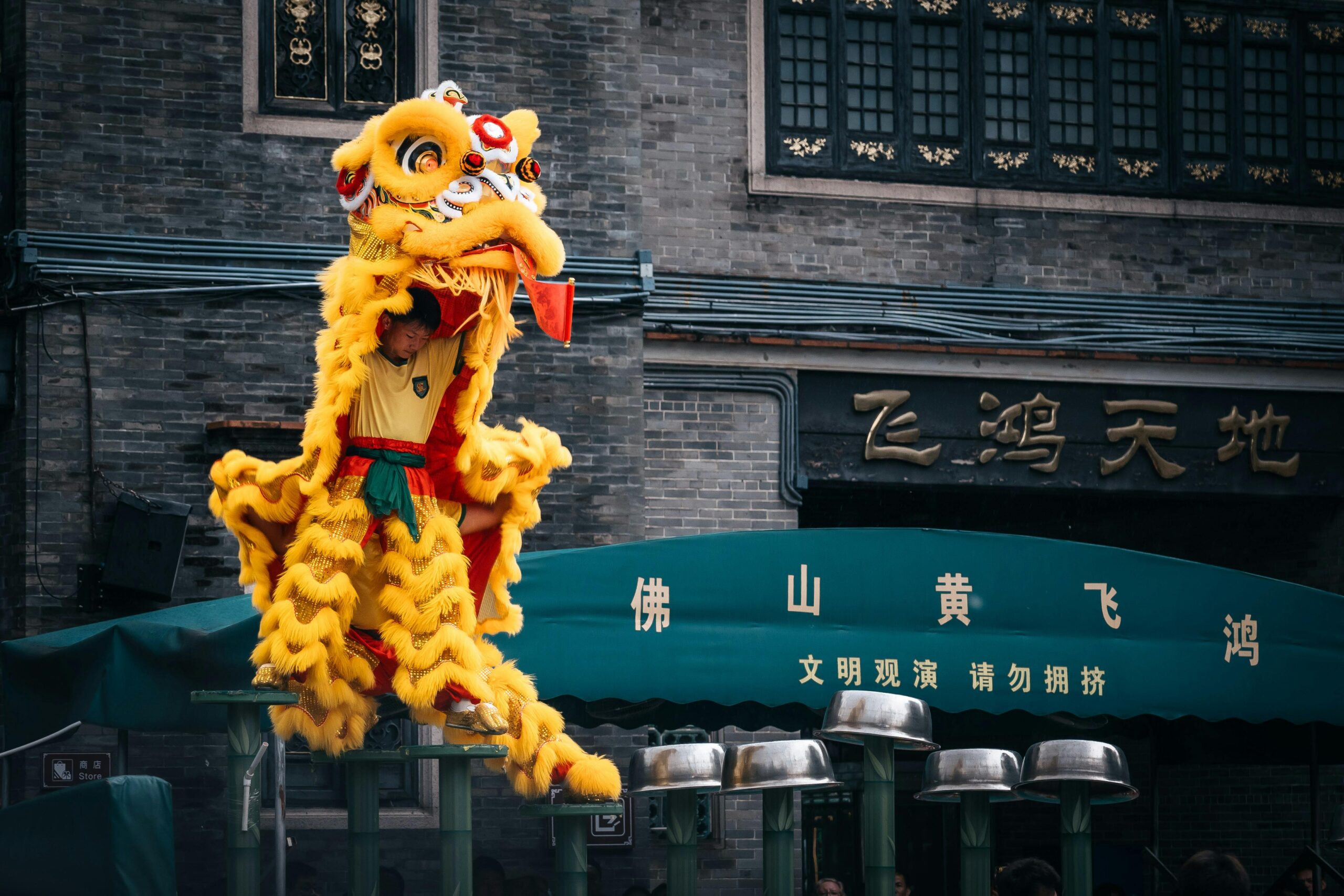
🌏 Looking Forward: Heritage in Globalized Futures
As globalization intensifies and displacement continues affecting millions worldwide, questions about cultural preservation become increasingly urgent. The future likely holds more hybrid identities, transnational communities, and innovative cultural expressions that blend multiple traditions in unprecedented ways.
Rather than viewing this as cultural loss, it can be understood as cultural evolution—the natural process through which traditions remain living practices rather than museum artifacts. The challenge involves ensuring that evolution occurs on communities’ own terms, driven by their values and choices rather than imposed through discrimination or marginalization.
Technology will continue playing expanding roles in heritage preservation and transmission, offering tools previous generations could not imagine. However, technology remains merely a tool; the commitment to cultural continuity must come from communities themselves, from conscious choices to value heritage and invest in its transmission.
Ultimately, preserving traditions in transition requires acknowledging that culture is not static. Living traditions have always evolved, absorbed influences, and adapted to circumstances. The goal is not freezing cultural practices in idealized historical forms but ensuring that communities maintain agency in their cultural evolution, that core values and knowledge systems continue across generations, and that displaced individuals can access their heritage as a resource for identity, meaning, and belonging regardless of geographical location.
Cultural heritage represents humanity’s collective wisdom, creativity, and diversity. In our increasingly interconnected world, where displacement affects growing numbers, supporting communities in maintaining meaningful connections to their traditions while navigating new environments benefits not only those communities but enriches human civilization as a whole. The stories, practices, languages, and knowledge systems carried by displaced communities represent irreplaceable treasures that deserve recognition, respect, and support in their ongoing journeys through transition.
