Anúncios
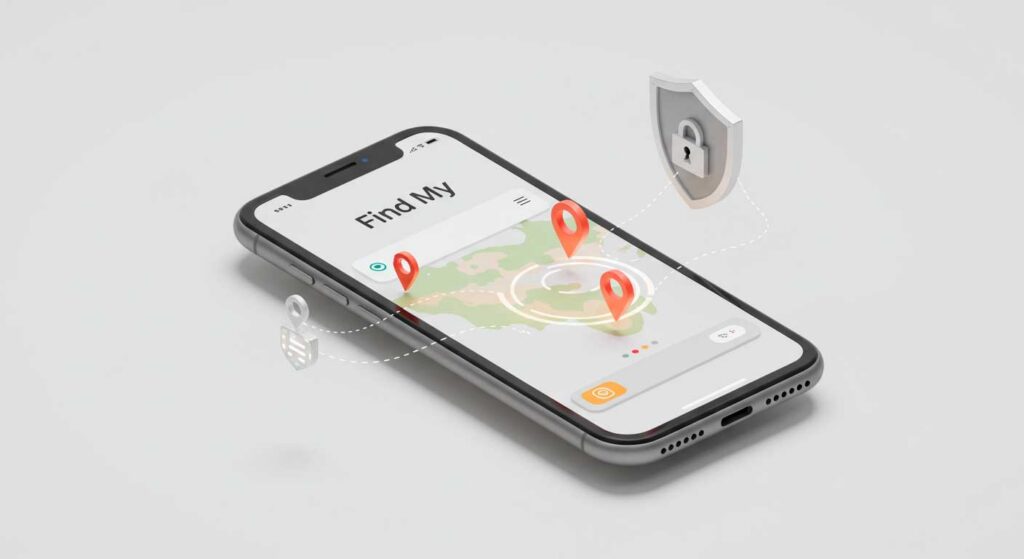
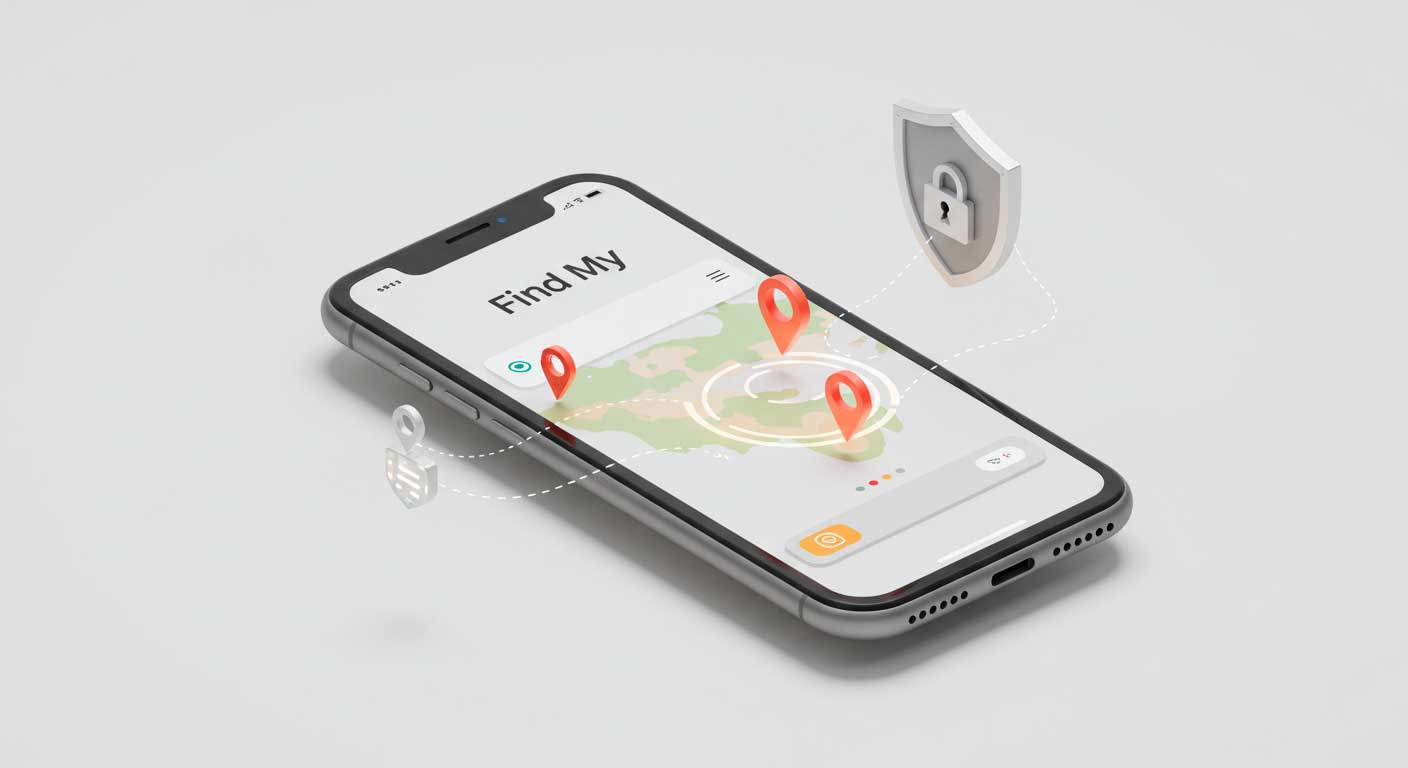
In today’s connected world, keeping track of your loved ones’ whereabouts has become easier than ever with specialized mobile tracking applications.
Whether you’re a parent wanting to ensure your child’s safety, someone looking to recover a lost device, or simply coordinating with family members throughout the day, cell phone tracking apps offer powerful solutions. These applications have evolved far beyond simple GPS location sharing, now incorporating features like geofencing, emergency alerts, and even driving behavior monitoring.
Anúncios
The market is flooded with options, each claiming to be the best tracking solution available. Understanding what these applications can do, how they work, and which features matter most will help you make an informed decision that fits your specific needs. Let’s explore everything you need to know about mobile tracking applications and how they can bring peace of mind to your daily life.
🔍 Understanding How Cell Phone Tracking Apps Work
Cell phone tracking applications rely primarily on GPS technology, which uses satellites to pinpoint a device’s exact location with remarkable accuracy. Most modern smartphones come equipped with GPS chips that communicate with multiple satellites simultaneously, allowing these apps to determine location within a few meters.
Anúncios
Beyond GPS, these applications also utilize cellular tower triangulation and Wi-Fi positioning systems. When GPS signals are weak—such as indoors or in densely built urban areas—the app can calculate approximate location by measuring signal strength from nearby cell towers or recognizing known Wi-Fi networks in the area.
The tracked location data is then transmitted through your mobile internet connection to secure servers, where it becomes accessible through the app’s interface on other authorized devices. This real-time synchronization happens continuously in the background, updating location information at regular intervals without requiring manual input from the user being tracked.


📱 Key Features to Look for in Tracking Applications
Not all tracking apps are created equal. The best solutions offer comprehensive feature sets that go beyond basic location sharing. Understanding which capabilities matter most will help you choose the right application for your situation.
Real-Time Location Tracking
The fundamental feature of any tracking app is the ability to see where a device is located at any given moment. Premium applications update this information every few seconds, providing truly real-time visibility. Some apps allow you to see location history as well, creating a timeline of where the device has been throughout the day.
Geofencing Capabilities 🏠
Geofencing allows you to create virtual boundaries around specific locations—like your home, school, or workplace. When the tracked device enters or exits these designated areas, you receive automatic notifications. This feature is particularly valuable for parents who want to know when their children arrive at school or return home safely.
Emergency Alert Systems
Many modern tracking apps include panic button functionality that allows the person being tracked to send an immediate emergency alert to designated contacts. This alert typically includes their current location and can be triggered with a simple button press or phone shake.
Battery Monitoring
Knowing that a tracked device’s battery is running low is crucial information. If someone’s phone dies, you lose the ability to track their location. Apps that monitor battery levels and send alerts when power is getting low help prevent this scenario.
Driving Safety Features 🚗
For parents of teenage drivers, some apps offer specialized features that monitor driving behavior, including speed alerts, harsh braking detection, and notifications when the driver is using their phone while the vehicle is in motion. These features promote safer driving habits and provide valuable insights into how responsibly someone is operating a vehicle.
👨👩👧👦 Popular Use Cases for Phone Tracking Apps
Understanding why people use these applications can help you determine whether they’re right for your situation. Here are the most common scenarios where tracking apps provide genuine value.
Keeping Children Safe
Parents represent the largest user base for tracking applications. Knowing where your children are provides reassurance, especially when they’re at an age where they’re beginning to gain independence. You can verify they arrived at their friend’s house, check that they’re at soccer practice, or confirm they made it home from school on time.
Coordinating with Family Members
Many families use location sharing as a practical coordination tool rather than a surveillance measure. When everyone can see where other family members are, it becomes easier to plan dinner timing, coordinate pickups, and avoid unnecessary “where are you?” phone calls throughout the day.
Caring for Elderly Relatives 👵
For families with elderly members who may have memory issues or tend to wander, tracking apps provide an essential safety net. If a loved one with dementia leaves home unexpectedly, you can quickly locate them and ensure their safety without immediately involving emergency services.
Lost or Stolen Device Recovery
When a phone goes missing, tracking apps can help you locate it quickly, whether it slipped between couch cushions or was left at a restaurant. In theft situations, knowing the device’s location can assist law enforcement in recovery efforts.
Travel Safety
When family members travel, whether for business or vacation, location sharing provides peace of mind. You can verify safe arrivals, keep tabs on solo travelers, and maintain connection even across different time zones.
🔒 Privacy Considerations and Ethical Use
The power to track someone’s location comes with significant responsibility. Using these applications ethically and respecting privacy boundaries is crucial for maintaining trust and staying within legal bounds.
Always obtain consent before tracking an adult’s location. Secret tracking of spouses, partners, or other adults without their knowledge is not only a violation of trust but may also be illegal in many jurisdictions. Transparency about using these apps maintains healthy relationships and respects personal autonomy.
For children, while parental oversight is both legal and appropriate, it’s important to have open conversations about why you’re using tracking technology. Explaining that it’s for safety rather than punishment helps children understand and accept the monitoring. As children mature into teenagers, gradually increasing privacy while maintaining appropriate oversight prepares them for independence.
Consider the balance between safety and privacy carefully. Just because you can check someone’s location constantly doesn’t mean you should. Use tracking features purposefully rather than obsessively, focusing on safety and coordination rather than surveillance.
💡 Choosing the Right Tracking Application
With dozens of options available, selecting the best tracking app requires evaluating several factors beyond just features. Consider these aspects when making your decision.
Accuracy and Reliability
An app is only valuable if it provides accurate, dependable location information. Read user reviews focusing on comments about location accuracy, update frequency, and whether the app drains battery excessively. Premium apps typically invest more in accurate positioning technology.
Platform Compatibility
Ensure the app works across all devices in your family. Some tracking solutions only work within the same operating system (iOS or Android), while others support cross-platform tracking. If your family uses a mix of iPhones and Android devices, cross-platform compatibility is essential.

User Interface and Ease of Use 📲
The best tracking app is one that everyone in your family can use comfortably. Look for intuitive interfaces with clear maps, easy-to-understand notifications, and simple setup processes. Complicated apps often go unused because people find them frustrating.
Pricing Structure
Many tracking apps offer free basic versions with limited features, while premium subscriptions unlock advanced capabilities. Evaluate whether the free version meets your needs or if premium features justify the ongoing cost. Some apps charge per device, while others offer family plans that cover multiple users at a reduced rate.
Customer Support and Updates
Technology changes rapidly, and operating systems regularly update. Choose apps from developers who actively maintain their software, release regular updates, and provide responsive customer support when issues arise.
⚙️ Setting Up Your Tracking App Successfully
Proper setup ensures your tracking app works reliably when you need it. Follow these steps to configure your chosen application correctly.
Start by downloading the app on all devices that will participate in the tracking circle. Create accounts for each family member, ensuring everyone uses their own login credentials. This separation maintains individual privacy settings and provides personalized experiences.
Configure location permissions correctly on each device. Both iOS and Android require explicit permission for apps to access location data. Make sure to select “Always Allow” rather than “While Using the App” to enable background tracking. Without proper permissions, the app cannot track location when it’s not actively open.
Set up your circles or groups, adding family members appropriately. Most apps allow multiple circles, which is useful if you want separate groups for immediate family, extended family, or close friends. Configure privacy settings for each circle based on your comfort level and relationship.
Establish geofences for important locations like home, school, and work. Name these zones clearly so notifications make immediate sense. Test the geofencing by having someone enter and exit the boundary to confirm alerts work properly.
Customize notification settings to avoid alert fatigue. You don’t need notifications for every minor location change. Focus on meaningful alerts like arrivals, departures, low battery warnings, and emergency signals.
🔋 Managing Battery Life While Using Tracking Apps
One common concern with location tracking apps is their impact on battery life. Continuous GPS usage and background data transmission do consume power, but modern apps have become increasingly efficient.
Most quality tracking applications use intelligent location updating rather than constant GPS polling. They increase update frequency when the device is moving and reduce it when stationary, significantly preserving battery life. Some apps also use low-power location methods like Wi-Fi positioning when high GPS accuracy isn’t necessary.
To minimize battery impact, ensure your phone’s battery optimization settings don’t restrict the tracking app. Ironically, when operating systems aggressively limit background apps to save battery, tracking apps must work harder when they do get processing time, ultimately using more power.
Keep your device’s operating system and the tracking app updated to the latest versions. Developers continuously optimize battery usage with each update, and newer OS versions often include improved location services that consume less power.
🌟 Beyond Location: Additional Helpful Features
Modern tracking applications have evolved into comprehensive family safety platforms that offer much more than simple location sharing.
Messaging and Communication
Many apps include built-in messaging features that allow circle members to communicate directly within the application. This keeps safety-related conversations in one place and ensures messages reach family members even if they’re using different messaging platforms.
Roadside Assistance Integration 🚨
Premium tracking apps sometimes partner with roadside assistance services, allowing users to request help for vehicle breakdowns, flat tires, or lockouts directly through the app. The service automatically knows your exact location, speeding up assistance.
Crime and Safety Alerts
Some applications integrate with local crime databases and emergency services to provide real-time alerts about incidents near your location or the locations of your family members. This awareness can help you avoid dangerous areas or check on loved ones who might be near an incident.
Location History and Insights
Beyond real-time tracking, detailed location history can provide valuable insights into daily patterns, frequently visited places, and total distance traveled. For parents, this historical view can reveal whether children are spending time in places they shouldn’t be.
📊 Comparing Free vs. Premium Tracking Solutions
The decision between free and paid tracking apps depends on your specific needs and how extensively you’ll use the features. Free versions typically offer basic location sharing with limited history, minimal place alerts, and smaller circle sizes. These work well for simple coordination needs among adult family members.
Premium subscriptions unlock advanced features like unlimited place alerts, extended location history (often 30 days compared to 2-3 days in free versions), crash detection, driving reports, and priority customer support. For parents actively monitoring teenage drivers or managing complex family schedules, these features often justify the monthly cost.
Consider starting with a free version to test the app’s accuracy and ease of use in your daily routine. If you find yourself wishing for features that are locked behind the premium tier, upgrade to the paid version. Most apps offer free trials of premium features, allowing you to evaluate whether they’re worth the ongoing investment.
🛡️ Security Measures to Protect Your Location Data
When using tracking apps, you’re entrusting them with sensitive location data. Understanding how this information is secured and taking steps to protect your privacy is essential.
Reputable tracking applications use end-to-end encryption to protect location data as it travels from devices to servers and between family members. This encryption ensures that even if data is intercepted, it remains unreadable to unauthorized parties.
Use strong, unique passwords for tracking app accounts. Since these apps know where you and your family are at all times, compromised accounts could provide stalkers or criminals with dangerous information. Enable two-factor authentication if the app offers it for an additional security layer.
Regularly review who has access to your location. Remove former family members, friends you no longer trust, or anyone who doesn’t need ongoing access. Most people forget to audit their sharing circles, leaving location visible to people who shouldn’t have access.
Read the app’s privacy policy to understand what the company does with your data. Some free apps monetize by selling anonymized location data to advertisers or data brokers. If this concerns you, choose apps with clear privacy commitments or opt for paid versions that don’t rely on data sales for revenue.
🎯 Making the Most of Your Tracking App
Simply installing a tracking app isn’t enough—using it effectively requires intentional practices and clear family communication.
Establish family agreements about how and when the tracking app will be used. Define expectations around checking locations, responding to alerts, and respecting each other’s privacy. These conversations prevent misunderstandings and ensure everyone views the app as a helpful tool rather than an invasion of privacy.
Use the app proactively for coordination rather than reactively for surveillance. Check locations before calling to ask “where are you?” See if your spouse is already heading home before deciding about dinner. These practical uses make the app valuable without feeling intrusive.
Teach children how to use emergency features effectively. Ensure they know how to trigger panic alerts and understand when it’s appropriate to use them. Practice scenarios so the feature becomes second nature in actual emergencies.
Periodically verify the app is working correctly by checking that locations update properly and geofence alerts trigger as expected. Technology occasionally fails, and discovering your tracking app hasn’t updated in three days during an emergency is the worst possible time to find out it’s malfunctioning.
✨ The Future of Mobile Tracking Technology
Location tracking technology continues to evolve rapidly, with several emerging trends shaping how these apps will function in coming years.
Artificial intelligence integration is enabling predictive features that learn daily patterns and send proactive alerts. For example, if your teenager usually arrives home by 4:00 PM but hasn’t shown up by 4:30 PM, AI-powered apps can send concerned notifications even without a specific geofence violation.
Indoor positioning systems are improving, using Bluetooth beacons and enhanced Wi-Fi mapping to provide accurate location even inside large buildings like schools, malls, and hospitals where GPS signals struggle. This advancement addresses one of the main limitations of current tracking technology.
Wearable integration continues expanding, with tracking apps connecting to smartwatches, fitness trackers, and dedicated GPS devices. These wearables provide tracking for young children who don’t yet have smartphones or for elderly family members who prefer simpler devices.
Privacy-enhancing features are becoming more sophisticated, allowing for temporary location sharing, scheduled privacy periods, and fuzzy location sharing that shows general area rather than precise coordinates. These options provide better balance between safety and personal space.

🏆 Finding Peace of Mind Through Smart Tracking
Cell phone tracking applications represent powerful tools for modern family safety and coordination. When used thoughtfully and transparently, they provide reassurance without invading privacy, enable better communication without constant check-ins, and offer emergency capabilities that can genuinely save lives.
The key to successful implementation lies in choosing the right app for your specific needs, configuring it properly, establishing clear family expectations, and using features purposefully rather than obsessively. Technology should enhance relationships and provide security, not create anxiety or erode trust.
Whether you’re looking to ensure your child’s safe arrival at school, coordinate busy schedules with your spouse, or provide a safety net for an elderly parent, the right tracking application can deliver valuable peace of mind. Take time to explore options, test features, and find the solution that fits your family’s unique situation.
Remember that these tools are meant to supplement, not replace, open communication and trust within families. The most effective family safety strategy combines appropriate technology use with strong relationships, clear expectations, and mutual respect. When these elements align, tracking apps become helpful assistants in the complex task of keeping loved ones safe in an increasingly mobile world.