
Anúncios
Reading and writing are not just skills—they are gateways to opportunity, empowerment, and lifelong learning. Literacy shapes our ability to navigate the world with confidence and purpose.


In a world driven by information and communication, the ability to read and write stands as one of the most fundamental human competencies. These skills unlock doors to education, employment, social participation, and personal development. Without them, individuals face barriers that limit their potential and restrict their access to basic rights and services.
Anúncios
Literacy is more than decoding letters or forming sentences—it’s about understanding, expressing ideas, and engaging meaningfully with society. Whether it’s reading a job application, understanding health instructions, or helping children with homework, literacy impacts every aspect of daily life. Let’s explore why these skills matter so profoundly and how they shape individual lives and entire communities.
📖 Literacy as a Foundation for Education

Reading and writing form the bedrock of formal education. From the earliest years of schooling, students depend on these abilities to access knowledge across all subjects. Without literacy, learning mathematics, science, history, or any other discipline becomes nearly impossible.
Anúncios
Children who struggle with reading often fall behind in other areas, not because they lack intelligence, but because they cannot engage with the material. This creates a cascading effect where academic challenges compound over time, leading to frustration, disengagement, and sometimes early dropout.
Moreover, literacy enables critical thinking. When students read diverse texts, they learn to analyze information, compare perspectives, and form independent opinions. Writing, in turn, teaches them to organize thoughts, articulate arguments, and communicate effectively—all essential skills for academic success and lifelong learning.
💼 Economic Opportunities and Employment
In today’s economy, literacy is not optional—it’s a prerequisite for most jobs. Employers expect workers who can read instructions, write reports, send emails, and understand safety protocols. Even positions traditionally considered “manual labor” now require basic literacy due to technology integration and workplace safety standards.
Illiteracy severely limits employment options, often trapping individuals in low-wage, unstable jobs with little room for advancement. Studies consistently show that literacy levels correlate directly with income potential. People with strong reading and writing skills earn significantly more over their lifetimes than those without.
Beyond individual earnings, literacy drives economic development at the community and national levels. Countries with higher literacy rates tend to have stronger economies, better healthcare systems, and more stable governments. Investing in literacy education yields returns that benefit entire societies for generations.
🏥 Health and Well-being
The connection between literacy and health outcomes is well-documented and profound. People with limited reading skills face higher risks of chronic diseases, medication errors, and preventable health complications. They often struggle to understand prescription labels, follow medical instructions, or navigate healthcare systems effectively.
Health literacy—the ability to obtain, process, and understand basic health information—depends fundamentally on general literacy. Without it, individuals may miss crucial preventive care appointments, misinterpret symptoms, or fail to recognize warning signs of serious conditions.
Parents with strong literacy skills are better equipped to care for their children’s health, understanding vaccination schedules, recognizing developmental milestones, and accessing pediatric resources. This creates intergenerational benefits, as literate parents typically raise healthier, better-educated children.
🌍 Social Participation and Civic Engagement
Democracy thrives when citizens can read, understand, and critically evaluate information. Literacy enables people to stay informed about current events, understand political platforms, and participate meaningfully in democratic processes. Voting becomes more than marking a box—it becomes an informed choice based on understanding candidates’ positions and policy implications.
Illiterate individuals often feel excluded from civic life. They may avoid situations requiring reading or writing, leading to social isolation and reduced community participation. This creates a cycle where marginalized groups remain voiceless, their needs unaddressed by policymakers who don’t hear from them.
Literacy also empowers people to advocate for themselves and their communities. Whether it’s writing letters to representatives, signing petitions, or understanding legal documents, reading and writing skills enable active citizenship and social change.
👨👩👧 Breaking Intergenerational Cycles
Perhaps nowhere is literacy’s impact more evident than in its intergenerational effects. Children of literate parents have enormous advantages: they’re read to regularly, surrounded by books, and see reading modeled as a valued activity. This creates a literacy-rich environment where learning feels natural and enjoyable.
Conversely, children of illiterate parents face significant disadvantages. They may enter school already behind peers, lacking the pre-literacy experiences that prepare children for reading instruction. Parents who struggle with reading often cannot help with homework, communicate effectively with teachers, or advocate for their children’s educational needs.
Breaking this cycle requires targeted intervention and support. When parents learn to read, the benefits extend far beyond their own lives—they transform their children’s educational trajectories and set new family patterns for generations to come.
💡 Technology and Digital Literacy
The digital age has amplified literacy’s importance rather than diminishing it. While some predicted that visual media and voice interfaces would reduce reading’s relevance, the opposite has occurred. The internet, smartphones, and digital platforms require reading and writing constantly—texts, emails, social media posts, online forms, and search queries.
Digital literacy builds upon traditional literacy, requiring people to evaluate online information critically, distinguish credible sources from misinformation, and navigate increasingly complex digital environments. Those without foundational reading and writing skills find themselves doubly disadvantaged, excluded from both traditional and digital spheres.
Online learning platforms, educational apps, and digital libraries offer unprecedented access to knowledge—but only for those who can read. The digital divide thus reflects and reinforces existing literacy gaps, making basic literacy skills more crucial than ever for full participation in modern society.
🎯 Personal Development and Self-Expression
Beyond practical considerations, literacy enriches life in deeply personal ways. Reading opens windows to different worlds, cultures, and perspectives. It allows people to travel through time and space, experience emotions and situations beyond their immediate reality, and develop empathy and understanding.
Writing provides a powerful tool for self-expression and reflection. Whether through journaling, creative writing, or simply crafting a thoughtful message, writing helps people process experiences, clarify thinking, and leave their mark on the world. These activities support mental health, personal growth, and identity development.
Literate individuals enjoy greater autonomy and independence. They can navigate unfamiliar cities using maps and signs, manage finances by understanding bills and contracts, and access entertainment through books, articles, and online content. This independence fosters confidence and self-esteem that permeate all life areas.
🚸 Early Childhood: The Critical Window
Brain research confirms what educators have long known: early childhood represents a critical period for literacy development. The first five years of life lay neural foundations for all future learning. Children exposed to rich language experiences during this window develop stronger vocabularies, better phonemic awareness, and more positive attitudes toward reading.
Early literacy activities—reading aloud, singing songs, playing rhyming games, and exploring letters—prepare children’s brains for formal reading instruction. Children who enter school without these experiences face steep challenges that become harder to overcome as they age.
Investment in early childhood literacy programs yields exceptional returns. Quality preschool education, family literacy initiatives, and community reading programs help ensure all children, regardless of family background, arrive at school ready to learn and succeed.
📚 Adult Literacy: It’s Never Too Late
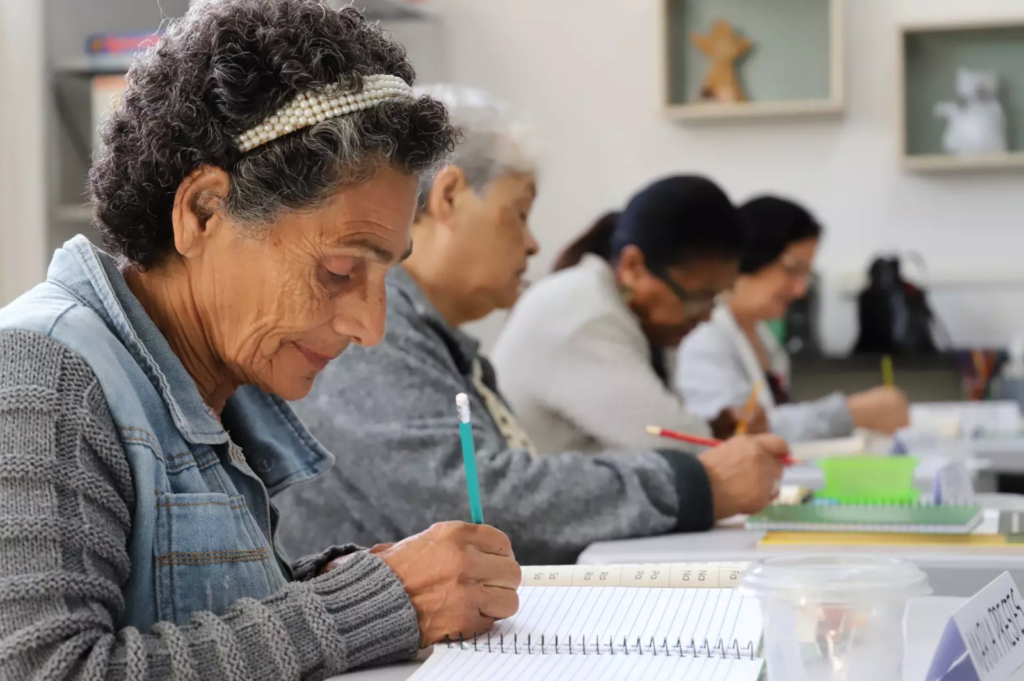
While early intervention is ideal, adult literacy programs prove that it’s never too late to learn. Adults who acquire reading and writing skills later in life experience transformative changes—improved employment prospects, better health outcomes, increased civic participation, and enhanced self-esteem.
Adult learners face unique challenges: work and family responsibilities, prior negative school experiences, and feelings of shame or embarrassment. Effective adult literacy programs address these barriers with flexible scheduling, supportive environments, and relevant, practical curricula that connect directly to learners’ goals.
The courage required for adults to admit literacy struggles and seek help deserves recognition and support. Communities that provide accessible, stigma-free adult education services benefit economically and socially from residents’ increased skills and confidence.
🌟 Literacy as a Human Right
International human rights frameworks recognize literacy as fundamental to human dignity and development. UNESCO describes literacy as both a right in itself and a foundation for other rights. Without the ability to read and write, people cannot fully exercise civil, political, economic, or cultural rights.
Yet globally, approximately 773 million adults lack basic literacy skills, with women comprising nearly two-thirds of this population. This represents not just educational failure but a profound social injustice that perpetuates poverty, inequality, and marginalization.
Addressing global illiteracy requires sustained commitment and resources. Governments, NGOs, and communities must work together to ensure universal access to quality literacy education, removing barriers related to poverty, gender, disability, language, and geographic isolation.
🔑 Building a Literate Society
Creating a truly literate society demands more than schools teaching reading and writing. It requires a comprehensive ecosystem that values and supports literacy at every level—from prenatal parent education through elder learning programs.
Key components include accessible public libraries, affordable books and reading materials, community literacy programs, workplace basic skills training, and technology access. Media campaigns can raise awareness about literacy’s importance and reduce stigma around learning difficulties.
Everyone has a role to play. Teachers need adequate training and resources. Parents benefit from guidance on supporting children’s literacy development. Employers can provide workplace literacy programs. Volunteers can tutor or lead reading groups. Together, these efforts create communities where literacy thrives and everyone has opportunities to develop their full potential.
✨ Transforming Lives Through Words
The power of literacy to transform individual lives and entire communities cannot be overstated. Reading and writing open pathways to knowledge, opportunity, and connection that would otherwise remain closed. They enable people to advocate for themselves, understand their world, and participate fully in society.
Every person who learns to read and write represents a success story—not just for that individual, but for their family, community, and society. These skills ripple outward, affecting children’s education, workplace productivity, health outcomes, and civic engagement. The investment in literacy education pays dividends across generations.
As technology advances and society evolves, literacy remains foundational. While formats and tools may change, the fundamental human need to communicate through written language endures. Ensuring that every person has the opportunity to develop strong reading and writing skills isn’t just good policy—it’s a moral imperative that strengthens our shared humanity and creates a more just, prosperous, and connected world for everyone.
