
Anúncios
Magic is more than illusion—it’s an art form that blends psychology, storytelling, and skillful technique to create moments of pure wonder and astonishment.


Whether you’re just starting out or looking to refine your performance, understanding the fundamentals of magical techniques can transform your abilities dramatically. The journey from beginner to skilled magician requires dedication, practice, and a willingness to learn from both successes and failures.
Anúncios
This comprehensive guide explores the best magic tricks across various categories and provides actionable techniques to elevate your magical performances. From classic card tricks to mind-bending illusions, you’ll discover how to captivate any audience and develop a signature style that sets you apart.
✨ Understanding the Foundations of Great Magic

Before diving into specific tricks, it’s essential to grasp what makes magic truly effective. The best performances aren’t just about technical precision—they’re about creating an emotional experience that resonates with your audience long after the trick ends.
Anúncios
Great magic relies on three core elements: misdirection, psychology, and presentation. Misdirection guides the audience’s attention away from the method, psychology helps you understand how people perceive and process information, and presentation transforms a simple trick into a memorable moment of wonder.
Developing these foundational skills takes time but pays enormous dividends. Every legendary magician from Houdini to David Blaine has mastered these principles before building their unique performance style.
The Psychology Behind Successful Illusions 🧠
Understanding how the human mind works is your greatest asset as a magician. Our brains make assumptions based on patterns and past experiences, which skilled performers exploit to create seemingly impossible effects.
When you perform a trick, you’re essentially controlling what your audience perceives versus what actually happens. This gap between perception and reality is where magic lives. By studying cognitive biases, attention patterns, and memory limitations, you can design performances that seem genuinely supernatural.
🎴 Card Magic: The Cornerstone of Every Magician’s Repertoire
Card tricks represent the most accessible and versatile category of magic. A simple deck of cards can produce thousands of different effects, from simple discoveries to complex mathematical miracles.
The beauty of card magic lies in its portability and familiarity. Everyone knows what playing cards are, which makes the impossible transformations, vanishes, and revelations even more impactful when they occur with such an ordinary object.
Essential Card Techniques to Master
Building a solid foundation in card handling separates amateur performers from professionals. These fundamental sleights form the building blocks of countless tricks:
- The Double Lift: Displaying two cards as one, enabling countless revelation effects
- The Pass: Secretly cutting the deck while appearing to do nothing
- The Elmsley Count: Showing four cards as four while hiding one
- Card Forces: Allowing the spectator to “freely” choose a predetermined card
- Card Controls: Bringing selected cards to desired positions
- False Shuffles: Maintaining card order while appearing to mix the deck
Practice each technique slowly and deliberately in front of a mirror. Focus on making your movements natural and economical—excessive motion draws suspicion. Your hands should move with purpose but without unnecessary flourishes that telegraph something deceptive is happening.
Top Card Tricks That Never Fail 🃏
Certain card effects have stood the test of time because they consistently amaze audiences. The Ambitious Card routine, where a selected card repeatedly rises to the top of the deck, combines multiple techniques into a compelling narrative that builds with each phase.
The Biddle Trick offers a clean, direct effect where a chosen card vanishes from a small packet and appears exactly where the magician predicts. Its simplicity makes it perfect for beginners while still fooling experienced spectators.
For more advanced performers, the Invisible Deck creates a powerful mentalism effect where a thought-of card appears reversed in a deck that’s been in plain sight. This trick exemplifies how clever gimmicks can amplify your magical impact when used judiciously.
🪙 Coin Magic: Intimate Impossibilities at Your Fingertips
Coin magic creates powerful effects with objects everyone carries. The intimate nature of coin tricks makes them perfect for close-up performances where spectators can examine everything before and after the impossible happens.
Unlike cards, coins have weight, substance, and monetary value, making their vanishes and transformations particularly striking. A coin that disappears from your closed hand or travels invisibly between your palms defies the physical certainty we associate with solid metal objects.
Fundamental Coin Sleights
The Classic Palm allows you to secretly hold a coin while showing your hand apparently empty. This foundational move enables countless vanishes, productions, and transpositions. Proper palming requires relaxed hands—tension makes the concealment obvious.
The French Drop creates a visual vanish where a coin seemingly disappears the moment you grasp it. The retention of vision principle makes spectators see what they expect rather than what actually happens, making this simple move remarkably deceptive.
Practicing in front of a mirror helps identify tells and unnatural movements. Your coin work should look effortless, with the same casual handling whether you’re actually holding the coin or secretly palming it.
Brilliant Coin Routines 💰
The Coins Across plot, where coins travel invisibly from one hand to another, combines multiple techniques into a compelling sequence. Each phase reinforces the impossibility, building to a climax that leaves audiences genuinely puzzled.
The Matrix effect, where four coins gather beneath a single card despite being covered individually, provides a visual spectacle perfect for table performances. The clean handling and impossible final reveal make this a reputation-maker.
🎩 Stage Illusions: Creating Grand Moments of Wonder
Stage magic operates on a different scale than close-up work, requiring larger movements, broader gestures, and effects visible to audiences seated far from the performance area. The theatrical nature of stage illusions allows for dramatic presentations that create unforgettable experiences.
While professional stage illusions often require expensive apparatus, many classic effects can be performed with minimal equipment and maximum impact. The key lies in understanding sightlines, angles, and how to direct audience attention across a larger performance space.
Classic Stage Effects Worth Learning
The Cut and Restored Rope trick scales beautifully for stage performances. A rope visibly cut in half magically restores itself, providing a clear effect that audiences can follow from any distance. The simplicity of the plot makes it universally understood regardless of language or cultural barriers.
Production tricks, where objects appear from previously empty spaces, create magical moments of surprise. Whether producing silks, flowers, or larger items, productions add visual variety and energy to your performance.
Levitation effects capture imaginations like few other illusions. From the classic Zombie floating ball to more complex suspension illusions, defying gravity creates wonder that transcends age and background.
🧙 Mentalism: The Magic of the Mind
Mentalism blurs the line between magic and psychological demonstration, creating effects that seem to reveal genuine psychic abilities. Predictions, mind reading, and thought transmissions intrigue audiences differently than traditional conjuring, often leaving them wondering if something real just occurred.
The presentation matters enormously in mentalism. Unlike traditional magic that embraces the fantastical, mentalism often adopts a more serious tone, suggesting genuine psychological principles or unexplained phenomena at work.
Powerful Mentalism Techniques 🔮
Forcing techniques allow you to control choices while maintaining the illusion of free will. From simple verbal forces to psychological subtleties, these methods enable predictions and mind-reading effects that seem genuinely impossible.
Cold reading provides frameworks for making accurate-seeming statements about strangers. While ethical performers never claim genuine psychic powers, understanding these techniques helps create compelling character work and presentation styles.
Dual reality principles create situations where different spectators experience different events, each believing everyone shared their experience. This advanced concept opens doors to effects that seem to defy logical explanation.
Memorable Mentalism Effects
Book tests, where a spectator freely selects a word from a book and you divine their thought, combine simplicity with strong impact. The organic nature of books makes the effect feel fair and impossible simultaneously.
Drawing duplications, where you reproduce a spectator’s random drawing, create visual proof of apparent mind reading. The personal nature of someone’s unique drawing makes correct revelation particularly powerful.
📱 Improving Your Magic Technique: Practical Strategies
Technical proficiency forms the foundation of all great magic, but developing that skill requires deliberate, focused practice. Random repetition builds muscle memory, but intelligent practice builds performance-ready skills.
Video recording your practice sessions reveals mistakes invisible when you’re focused on executing the technique. Watching yourself from an audience perspective helps identify unnatural movements, timing issues, and presentation weaknesses you’d never notice otherwise.
Effective Practice Methods 🎯
Slow-motion practice builds precision that speed work cannot. Performing techniques at half or quarter speed forces you to understand each minute movement, creating muscle memory that holds up under performance pressure.
Mirror work provides immediate visual feedback, showing exactly what audiences see during performance. Position your mirror at audience eye level to get accurate perspective on angles and coverage.
Practice with distractions simulates performance conditions where you can’t focus solely on technical execution. Playing music, having conversations, or practicing in public spaces builds the divided attention skills necessary for real performances.
Developing Performance Skills Beyond Technique
Script your patter deliberately rather than improvising randomly. Written scripts can be refined, tested, and improved, creating presentations that enhance rather than distract from your effects.
Study performances outside magic—theater, comedy, music—to understand timing, audience management, and storytelling. The best magicians borrow presentation principles from across the entertainment spectrum.
Perform frequently, even when you don’t feel ready. Real audiences teach lessons that solitary practice never can. Start with friends and family, progress to small public performances, and gradually build your comfort with larger audiences.
🎭 Crafting Your Unique Performance Style
Technical skill matters, but personality and presentation transform tricks into magic. Your performance character—whether it’s humorous, mysterious, dramatic, or conversational—should feel authentic to who you are while serving the magical effects you perform.
Studying successful magicians reveals vastly different approaches that all work effectively. Penn & Teller combine comedy with exposure, David Blaine adopts understated street performance aesthetics, and Shin Lim creates visual poetry without words. Each found their voice by understanding their strengths and building performances around them.
Finding What Makes You Different ✨
Identify your natural communication style and lean into it rather than imitating other performers. If you’re naturally funny, incorporate humor. If you’re more serious and introspective, build presentations with dramatic tension and mystery.
Your background, interests, and experiences provide unique material no other performer possesses. A musician might incorporate musical themes into presentations, while someone passionate about history could frame tricks around historical mysteries and legends.
Experiment with different presentation styles during practice and small performances. What feels comfortable? What gets the strongest audience reactions? Let real-world feedback guide your development rather than arbitrary ideas about what magicians “should” do.
🛠️ Essential Tools Every Magician Should Master
While magic can be performed with everyday objects, certain tools expand your capabilities dramatically. Building familiarity with these fundamental items provides versatility across different performance situations.
Quality matters more than quantity. A single excellent deck of cards serves you better than a dozen mediocre ones. Invest in professional-grade equipment that handles well and lasts through countless performances.
| Tool | Primary Use | Skill Level |
|---|---|---|
| Bicycle Playing Cards | Card magic foundation | All levels |
| Coin Set (Half Dollar) | Coin manipulation | Beginner to Advanced |
| Close-up Mat | Performance surface | All levels |
| Thumb Tip | Vanishes and productions | Beginner to Intermediate |
| Invisible Thread | Animation effects | Intermediate to Advanced |
| Svengali Deck | Self-working card effects | Beginner |
Caring for Your Magic Equipment
Playing cards deteriorate with use, affecting handling and appearance. Rotate multiple decks to extend their performance life, and replace them before they look worn to spectators. Professional performers often use fresh decks for important performances.
Store coins in protective cases to prevent tarnishing and damage. Clean coins regularly maintain their appearance and handling characteristics. Proper storage extends the life of all your equipment while ensuring everything performs optimally when needed.
📚 Resources for Continued Learning and Growth
Magic is an art form with centuries of accumulated knowledge. Books, videos, lectures, and workshops provide structured learning paths that accelerate your development far beyond what self-teaching alone can achieve.
Classic magic texts like “Royal Road to Card Magic” and “Mark Wilson’s Complete Course in Magic” provide comprehensive foundations that remain relevant decades after publication. Modern resources add contemporary presentations and techniques that reflect current performance trends.
Building Your Magic Library 📖
Start with foundational texts covering basic techniques before specializing in specific areas. General magic courses teach principles applicable across all magic types, while specialized books dive deep into particular techniques or effect categories.
Video resources show techniques in motion, revealing nuances written descriptions can’t capture. Many experienced magicians offer online tutorials, courses, and downloads that provide professional instruction accessible from anywhere.
Magic conventions and local magic clubs provide communities of fellow enthusiasts where you can share ideas, receive feedback, and witness performances that inspire your own development. The collaborative nature of magic communities accelerates learning dramatically.
🌟 Turning Practice Into Performance Excellence
The ultimate goal isn’t just executing techniques flawlessly but creating memorable experiences for audiences. Technical perfection means little if your presentation doesn’t connect emotionally and intellectually with spectators.
Great performances balance multiple elements simultaneously—technical execution, audience management, storytelling, timing, and emotional connection. This complexity explains why magic takes years to master despite individual tricks often being technically simple.
Start performing earlier than feels comfortable. Waiting until you’re “ready” delays indefinitely because you’ll always see room for improvement. Real audiences provide feedback and learning opportunities practice alone cannot replicate.
Record your performances when possible to analyze what worked and what didn’t. Your perception during performance often differs from objective reality. Video reveals strengths to emphasize and weaknesses requiring attention.
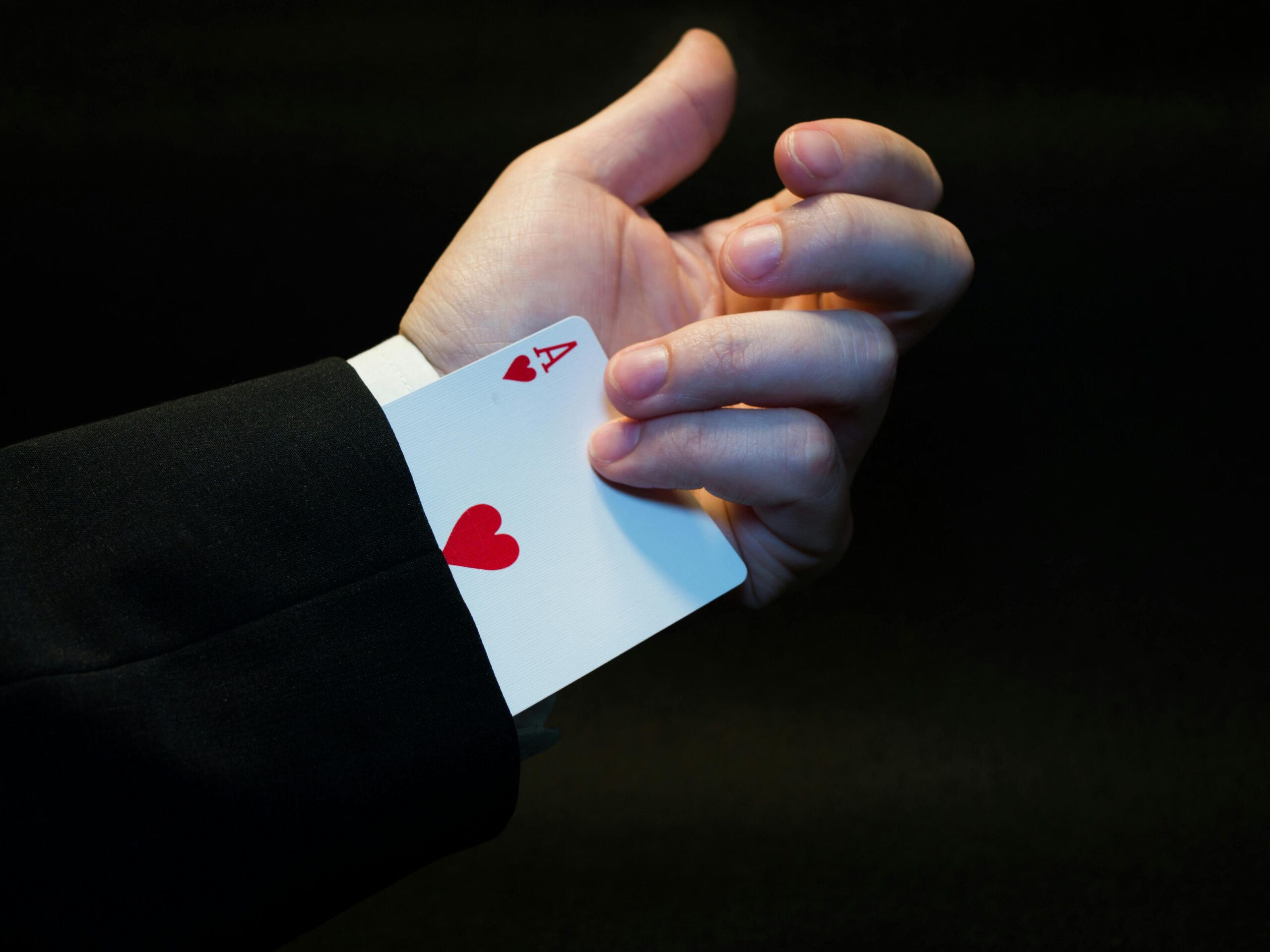
🚀 Taking Your Magic to the Next Level
Advancement requires pushing beyond comfortable skill levels into techniques and presentations that challenge your current abilities. Stagnation happens when magicians endlessly repeat what they already know rather than tackling new material.
Set specific goals—master a particular sleight, develop a five-minute routine, perform for strangers, compete in a magic competition. Concrete objectives provide direction and motivation that vague aspirations to “get better” cannot match.
Seek feedback from experienced magicians who can identify subtle issues invisible to less experienced eyes. Mentorship accelerates development by providing personalized guidance based on your specific strengths and weaknesses.
Study failures as intensely as successes. Tricks that don’t work reveal important lessons about audience psychology, presentation weaknesses, and technical gaps. Each failure contains valuable information if you’re willing to analyze rather than simply moving on.
Magic rewards those who approach it with curiosity, dedication, and genuine respect for audiences. The techniques and tricks you master serve as tools for creating moments of wonder, connection, and joy that people remember long after the method fades from memory. Your journey as a magician ultimately measures not in tricks learned but in experiences created—those magical moments where impossibility becomes reality, if only for a fleeting, unforgettable instant. Keep practicing, keep performing, and most importantly, keep creating magic that matters.
