
Anúncios
Pilates has transformed the way millions of people approach fitness, combining mindful movement with core strength to create a balanced, resilient body.


Whether you’re recovering from an injury, seeking better posture, or simply wanting to feel stronger in your daily life, Pilates offers a comprehensive solution that adapts to your unique needs. This low-impact exercise method has gained remarkable popularity across age groups and fitness levels, proving that effective workouts don’t require jumping, pounding, or exhausting yourself.
Anúncios
In this article, we’ll explore why Pilates has become essential for modern wellness, how it benefits your body and mind, and what makes this practice so uniquely effective. From understanding its foundational principles to discovering practical ways to incorporate it into your routine, you’ll gain valuable insights into why Pilates deserves a place in your fitness journey. 💪
What Makes Pilates Different from Other Workouts

Pilates stands apart from traditional exercise methods through its emphasis on controlled, precise movements that engage both body and mind. Developed by Joseph Pilates in the early 20th century, this system focuses on quality over quantity, encouraging practitioners to perform each exercise with complete attention and proper form.
Anúncios
Unlike high-intensity workouts that prioritize calorie burn and muscle exhaustion, Pilates concentrates on building a strong foundation from your center outward. The core—encompassing your abdominals, lower back, hips, and glutes—serves as the powerhouse from which all movement originates. This foundational strength radiates throughout your entire body, improving posture, balance, and functional movement patterns.
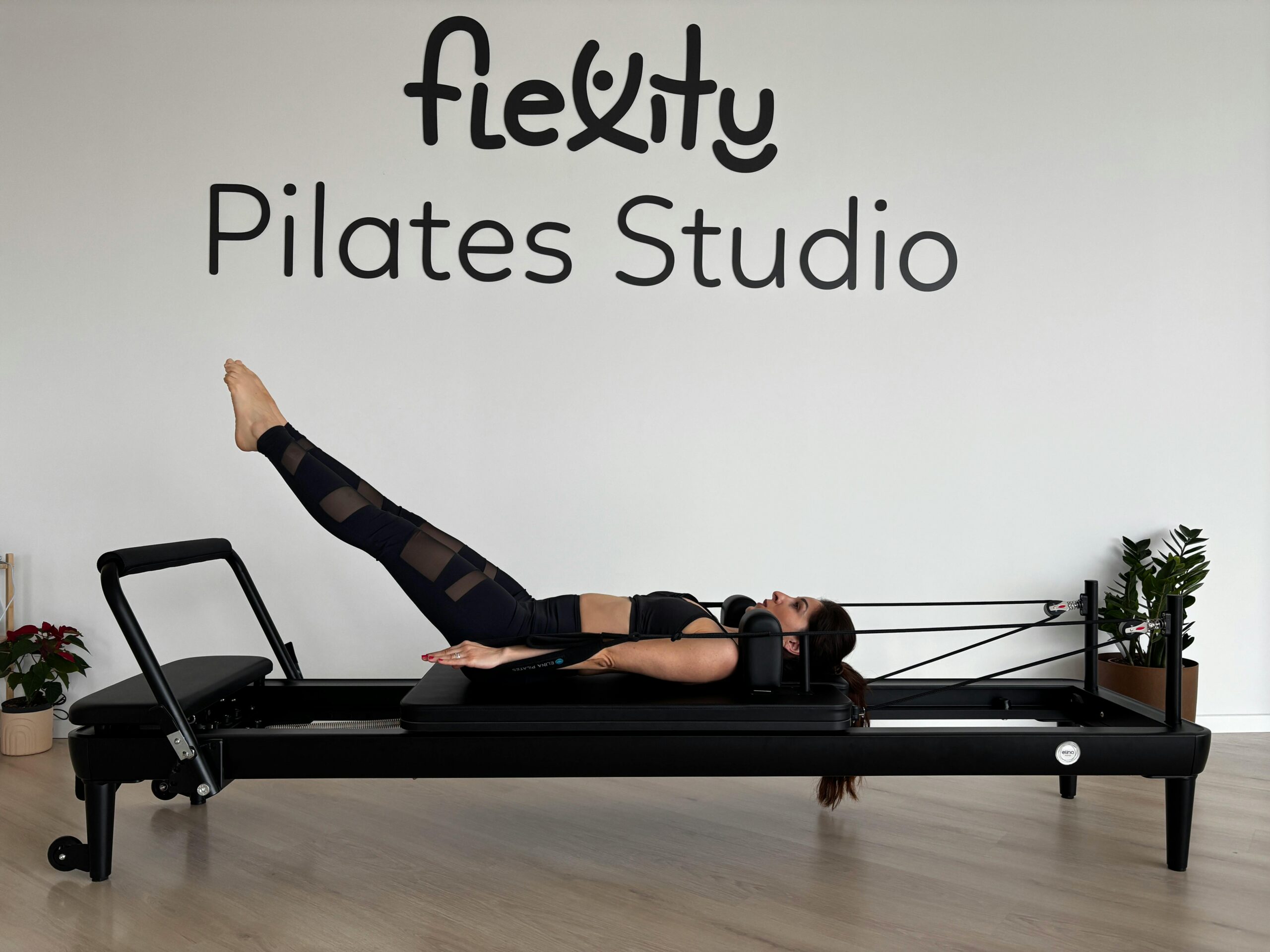
The method incorporates specialized equipment like the Reformer, Cadillac, and Wunda Chair, though mat-based exercises remain equally effective. Each piece of apparatus uses springs and resistance to challenge muscles in unique ways, providing feedback that helps you understand proper alignment and engagement.
Core Principles That Drive Results 🎯
Six fundamental principles guide every Pilates session, creating a holistic approach to physical fitness:
- Concentration: Full mental focus on each movement ensures proper muscle engagement and prevents injury
- Control: Every exercise requires deliberate, controlled motion rather than momentum-driven movements
- Centering: All energy flows from the body’s core, creating stability and power
- Precision: Exact positioning and alignment maximize effectiveness while minimizing strain
- Breath: Coordinated breathing patterns fuel movements and promote relaxation
- Flow: Smooth transitions between exercises create grace and efficiency
These principles work synergistically, transforming simple exercises into powerful tools for transformation. When you practice with awareness of these fundamentals, even basic movements become challenging and deeply beneficial.
Physical Benefits That Transform Your Body
Regular Pilates practice delivers remarkable physical improvements that extend far beyond the studio. Your core muscles develop strength and endurance, creating a natural support system for your spine. This enhanced core stability translates directly into better posture, reducing the slouching and forward head position that plague desk workers and smartphone users.
Flexibility increases gradually as you work through full ranges of motion, lengthening tight muscles while strengthening weak ones. This balanced approach prevents the muscle imbalances that often lead to pain and injury. Your joints move more freely, with improved synovial fluid circulation that keeps cartilage healthy and resilient.
Muscle tone develops evenly throughout your body, creating the lean, elongated appearance Pilates is famous for. Unlike weight training that can create bulk, Pilates builds functional strength that enhances your natural physique. Your muscles become stronger without unnecessary size, supporting daily activities with ease.
Addressing Common Physical Complaints
Pilates proves particularly effective for managing chronic pain conditions. Lower back pain sufferers often experience significant relief as their core muscles strengthen and support proper spinal alignment. The gentle, controlled movements allow you to work around injuries while building strength in surrounding areas.
Neck and shoulder tension melts away as you learn to release unnecessary muscle engagement and develop better upper body mechanics. Many practitioners report fewer headaches and improved breathing capacity as their ribcage mobility increases and chest muscles release chronic tension.
Mental and Emotional Advantages 🧠
The mind-body connection inherent in Pilates creates psychological benefits that rival its physical advantages. The focused concentration required during practice serves as moving meditation, quieting mental chatter and reducing anxiety. You become fully present in your body, aware of subtle sensations and movement patterns.
This mindful approach carries over into daily life, helping you respond to stress with greater calm and clarity. Practitioners often report improved sleep quality, enhanced mood, and increased self-confidence. The sense of accomplishment from mastering challenging exercises builds mental resilience that extends beyond the mat.
Body awareness deepens significantly through consistent practice. You begin noticing habitual tension patterns, poor posture, and compensatory movements you’ve developed over years. This awareness becomes the first step toward positive change, empowering you to make conscious choices about how you move and hold yourself.
Why Pilates Works for Every Age and Fitness Level
One of Pilates’ greatest strengths lies in its remarkable adaptability. Exercises can be modified to accommodate complete beginners, those recovering from injuries, or elite athletes seeking performance enhancement. The same basic movement pattern can be simplified or intensified through adjustments in lever length, resistance, or range of motion.
Older adults benefit tremendously from Pilates’ low-impact nature and emphasis on balance and coordination. The practice helps maintain bone density, improve proprioception, and preserve functional independence. Many seniors discover renewed confidence in their physical abilities after beginning a consistent Pilates routine.
Pregnant women find Pilates particularly valuable for maintaining core strength, managing back pain, and preparing for childbirth. Modified exercises accommodate growing bellies while addressing the specific physical challenges of pregnancy. Postpartum recovery accelerates with targeted Pilates work that rebuilds core integrity and addresses common issues like diastasis recti.
Athletes and Performance Enhancement
Professional athletes across disciplines incorporate Pilates into their training regimens for good reason. The method develops the foundational strength, flexibility, and body control that enhance sport-specific skills. Runners improve their hip stability and stride efficiency, while swimmers gain better shoulder mechanics and core rotation.
Injury prevention becomes a natural byproduct of balanced muscular development and improved movement patterns. Athletes who practice Pilates regularly often experience fewer overuse injuries and recover more quickly when injuries do occur. The practice also provides active recovery between intense training sessions, promoting circulation and tissue repair without additional strain.
Creating Your Pilates Practice 📅
Starting a Pilates practice requires minimal equipment but maximum commitment to proper technique. Begin with beginner-focused classes led by certified instructors who can ensure correct alignment and progression. Whether you choose studio sessions or home practice, consistency matters far more than intensity in the early stages.
Most practitioners see noticeable improvements within 10-12 sessions, with more dramatic changes emerging around the three-month mark. Joseph Pilates famously said, “In 10 sessions you’ll feel the difference, in 20 sessions you’ll see the difference, and in 30 sessions you’ll have a whole new body.” While individual results vary, this timeline reflects the progressive nature of the practice.
Ideally, practice Pilates 2-4 times weekly, allowing rest days between sessions for muscle recovery and adaptation. Even short 20-minute sessions deliver benefits when performed consistently. The key lies in maintaining proper form and full mental engagement rather than rushing through movements or adding excessive repetitions.
Mat Work Versus Equipment Training
Mat Pilates requires only a comfortable surface and perhaps a few small props like resistance bands or small balls. This accessibility makes it perfect for home practice and travel. Mat exercises challenge stability profoundly since you lack the feedback and support that equipment provides.
Equipment-based Pilates, particularly on the Reformer, offers unique advantages through variable resistance and assisted movements. The springs provide feedback that helps you understand proper muscle engagement, while the sliding carriage demands smooth, controlled motion. Many practitioners find equipment work more engaging and easier to modify for different fitness levels.
Integrating Pilates with Other Activities 🤸♀️
Pilates complements virtually every other form of exercise, enhancing performance and reducing injury risk. Combine it with cardiovascular activities like cycling, swimming, or dancing for comprehensive fitness. The strength and flexibility you build through Pilates improve your efficiency in aerobic pursuits while the cardio work enhances your endurance during Pilates sessions.
Strength training and Pilates form an excellent partnership, with Pilates addressing the flexibility and core stability that traditional weight training sometimes neglects. Many people discover that their lifting form improves significantly after incorporating Pilates, as they develop better body awareness and core engagement.
Yoga practitioners often find Pilates provides the strength component that complements yoga’s flexibility focus. While both emphasize mindful movement and breath, Pilates tends to be more dynamic and strength-oriented, creating a balanced approach to mind-body fitness.
Common Misconceptions Cleared Up
Despite its popularity, several myths about Pilates persist. Many people believe it’s only for women, when in fact Joseph Pilates originally developed the method for men, including boxers and dancers. Male practitioners discover significant benefits in core strength, flexibility, and injury prevention.
Another misconception suggests Pilates is too easy to provide real fitness benefits. While the movements appear gentle, proper execution requires significant strength, control, and endurance. The subtle nature of the work often makes it more challenging than flashier exercise styles, with muscles trembling from sustained engagement rather than explosive effort.
Some assume you need perfect flexibility or fitness to begin Pilates. In reality, the practice meets you where you are, offering modifications that make every exercise accessible regardless of starting point. Your current limitations become opportunities for growth rather than barriers to participation.
Making Pilates a Sustainable Lifestyle Choice 🌱
Long-term success with Pilates comes from viewing it as a lifestyle practice rather than a temporary fitness trend. The method becomes more engaging over time as you master basic exercises and progress to advanced variations. Each session offers new discoveries about your body’s capabilities and movement potential.
Find ways to incorporate Pilates principles into daily activities. Engage your core while standing in line, practice breath work during stressful moments, and apply proper alignment when sitting at your desk. These small integrations extend the benefits of formal practice throughout your entire day.
Connect with a community of fellow practitioners for support, motivation, and shared learning. Many studios foster warm, welcoming environments where friendships develop naturally. Online communities also provide valuable resources, inspiration, and accountability for home practitioners.
Investment in Your Long-Term Health
When you commit to regular Pilates practice, you invest in a healthier, more functional future. The benefits compound over time, with improved posture preventing degenerative spinal conditions, enhanced balance reducing fall risk as you age, and maintained flexibility preserving independence in later decades.
Medical professionals increasingly recommend Pilates for rehabilitation and prevention of various conditions. Physical therapists often incorporate Pilates exercises into treatment protocols, recognizing the method’s effectiveness for rebuilding strength safely and addressing movement dysfunctions that contribute to chronic pain.
The financial investment in classes or equipment pays dividends through reduced healthcare costs, improved productivity from fewer sick days, and enhanced quality of life. Compare the cost of regular Pilates sessions to medical treatments for preventable conditions, and the value becomes clear.
Your Body Deserves This Practice ✨
Pilates offers something truly special in our modern world—a chance to slow down, reconnect with your body, and build strength that serves every aspect of your life. Whether you’re managing pain, seeking better athletic performance, or simply wanting to feel more comfortable in your body, this practice provides tools for meaningful transformation.
The importance of practicing Pilates extends beyond physical fitness into overall wellness. It teaches you to move with intention, breathe with awareness, and honor your body’s needs. These lessons create ripple effects throughout your life, improving not just how you exercise but how you navigate daily challenges.
Start where you are, with whatever resources you have available. A single class can begin shifting your relationship with movement and your body. Give yourself permission to be a beginner, to struggle with new challenges, and to celebrate small victories. Your future self will thank you for taking this important step toward better health, strength, and vitality.
Embrace the journey of Pilates practice with patience and curiosity. The path offers endless opportunities for growth, discovery, and transformation. Your body possesses remarkable capacity for change at any age—Pilates simply provides the roadmap for unlocking that potential. 🌟
