
Anúncios
Your smartphone holds your entire digital life—banking apps, personal photos, private messages, and more. Without proper protection, you’re leaving the door wide open to hackers, malware, and data thieves.


Mobile devices have become the primary target for cybercriminals worldwide. With billions of smartphones in use globally, attackers have shifted their focus from desktop computers to these pocket-sized computers we carry everywhere. The question isn’t whether you need antivirus protection—it’s how quickly you can get it installed.
Anúncios
Many people still believe that only computers need antivirus software, but this misconception puts millions of users at risk every day. Mobile malware attacks have increased by over 50% in recent years, with new threats emerging constantly. From banking trojans to spyware and ransomware, the digital threats targeting your phone are real, sophisticated, and financially devastating.
🔍 Understanding Modern Mobile Threats

The landscape of mobile security threats has evolved dramatically. Gone are the days when simple viruses were the only concern. Today’s attackers deploy complex, multi-layered threats designed specifically to bypass standard security measures and exploit vulnerabilities in mobile operating systems.
Anúncios
Malware on smartphones can steal your passwords, track your location, record your conversations, and even empty your bank accounts—all while operating silently in the background. Phishing attacks have become incredibly sophisticated, mimicking legitimate apps and websites with frightening accuracy.
Ransomware specifically designed for mobile devices can lock your phone and encrypt your precious photos, contacts, and documents, demanding payment for their release. Meanwhile, spyware can monitor everything you do, sending sensitive information to remote servers without your knowledge.
Common Attack Vectors Targeting Mobile Devices
Cybercriminals use various methods to compromise your smartphone’s security. Understanding these attack vectors helps you recognize potential threats before they cause damage.
- Malicious apps: Fake applications that appear legitimate but contain hidden malware designed to steal data or damage your device
- Phishing links: Text messages and emails containing links that lead to fraudulent websites designed to harvest your credentials
- Public Wi-Fi exploits: Unsecured networks where hackers intercept your data transmissions and steal sensitive information
- Drive-by downloads: Malicious code that automatically downloads when you visit compromised websites
- Social engineering: Psychological manipulation tactics that trick you into revealing personal information or downloading harmful software
💰 The Real Cost of Being Unprotected
The financial and personal consequences of a mobile security breach extend far beyond immediate monetary losses. When your phone gets compromised, the ripple effects can impact every aspect of your digital and real-world life.
Identity theft victims spend an average of 200 hours and thousands of dollars recovering from the damage. Your stolen information can be sold on the dark web multiple times, creating ongoing vulnerabilities for years. Credit scores plummet, loan applications get rejected, and fraudulent accounts appear in your name.
Beyond finances, there’s the emotional toll. The violation of privacy, the stress of recovery, the anxiety about what information was accessed—these psychological impacts shouldn’t be underestimated. Many victims report feeling vulnerable and anxious about using digital services long after the incident.
What Happens When Your Phone Gets Compromised
A single successful attack can trigger a cascade of problems. Hackers often use initial access to your phone as a stepping stone to deeper infiltration of your entire digital life.
Your email accounts get hijacked, allowing attackers to reset passwords for your other services. Social media profiles spread malware to your friends and family. Banking apps become gateways to unauthorized transactions. Work-related data gets exposed, potentially causing professional consequences and legal liability.
The longer an infection goes undetected, the more damage accumulates. Some sophisticated malware operates for months before revealing itself, quietly harvesting data and monitoring your activities the entire time.
🛡️ How Mobile Antivirus Protection Works
Modern mobile antivirus solutions employ multiple layers of defense technology working simultaneously to protect your device. These aren’t simple virus scanners—they’re comprehensive security suites designed for the complexity of today’s threat environment.
Real-time scanning monitors every app installation, file download, and system change. Machine learning algorithms analyze behavioral patterns to detect suspicious activities that traditional signature-based detection might miss. Cloud-based threat intelligence provides instant updates about emerging threats worldwide.
Essential Features of Quality Mobile Security
Not all antivirus apps offer the same level of protection. Understanding which features matter most helps you choose effective security software for your specific needs.
- Real-time threat detection: Continuous monitoring that identifies and blocks malware before it can execute
- Safe browsing protection: Web filters that warn about dangerous websites and block malicious downloads
- App permission monitoring: Alerts when applications request suspicious or unnecessary access to your data
- Wi-Fi security scanning: Evaluates network safety and encrypts your connection on public networks
- Anti-phishing tools: Identifies fake websites and fraudulent messages attempting to steal your credentials
- Anti-theft features: Remote location tracking, device locking, and data wiping capabilities
📱 Android vs iOS Security Considerations
The debate about which mobile operating system is more secure often misses the point—both platforms face unique security challenges and require proper protection strategies.
Android’s open ecosystem provides greater flexibility but also creates more potential entry points for malware. The ability to install apps from sources outside the official store increases convenience but also risk. Different manufacturers implement security updates at varying speeds, creating inconsistent protection across devices.
iOS benefits from Apple’s closed ecosystem and strict app review process, but this doesn’t make it immune to threats. Sophisticated attacks specifically targeting iOS continue to emerge. Zero-day vulnerabilities affect even the most locked-down systems. Phishing attacks work regardless of your operating system.
Why Both Platforms Need Protection
The assumption that any smartphone is inherently safe without additional security measures is dangerous. While iOS may have fewer malware infections than Android, the consequences of a successful attack on either platform are equally devastating.
Cross-platform threats like phishing, identity theft, and social engineering attacks affect all users equally. Network-based attacks don’t discriminate by operating system. Data breaches from compromised apps impact everyone who used those services.
Quality antivirus software adapts its protection strategies to each platform’s specific architecture and threat landscape, providing optimized security regardless of whether you use Android or iOS.
🚀 Beyond Basic Virus Protection
Modern mobile security extends far beyond detecting and removing traditional viruses. Comprehensive protection addresses the full spectrum of digital threats you face daily.
Privacy protection features prevent apps and websites from tracking your activities, selling your data, or creating detailed profiles about your behavior. VPN functionality encrypts your internet connection, making it impossible for others to intercept your communications. Password managers generate and securely store complex credentials for all your accounts.
Performance optimization tools identify apps consuming excessive battery or data, helping you maintain device efficiency while staying secure. Parental controls allow families to ensure children access age-appropriate content and stay safe online.
Integrated Security Ecosystems
The most effective mobile security solutions work as part of broader digital protection strategies. Your phone doesn’t exist in isolation—it connects to your computer, tablet, smart home devices, and cloud services.
Cross-platform security suites protect all your devices simultaneously with centralized management and consistent policies. Threat intelligence sharing means malware detected on one device immediately protects all your other gadgets. Synchronized backups ensure your data remains safe even if multiple devices get compromised.
⚡ Impact on Device Performance
One common objection to antivirus software involves concerns about battery drain and system slowdowns. While poorly designed security apps can affect performance, quality solutions are engineered for minimal resource consumption.
Modern antivirus applications use cloud-based processing to offload heavy computational tasks from your device. Smart scheduling performs intensive scans during charging or idle periods. Optimized algorithms detect threats using less processing power than ever before.
The performance impact of not having security software often proves far worse than any legitimate antivirus app. Malware infections cause dramatic battery drain, data overages from background transmissions, storage consumption from downloaded malicious files, and system instability requiring factory resets.
🔐 Privacy in the Age of Surveillance
Your smartphone knows more about you than any other device you own. It tracks your location, monitors your communications, records your browsing habits, and stores your most sensitive personal information. Protecting this data isn’t optional—it’s essential.
Advertisers, data brokers, and malicious actors all want access to your mobile data. Apps routinely request permissions far beyond what they need for basic functionality. Location tracking continues even when you think it’s disabled. Microphones and cameras can be remotely activated without your knowledge.
Quality security software includes privacy auditing tools that reveal which apps access your data and when. Permission managers let you selectively grant or revoke access. Privacy advisors recommend optimal settings to minimize data exposure while maintaining functionality.
Protecting Your Digital Identity
Your phone serves as the primary authentication device for your entire digital identity. Text messages receive two-factor authentication codes. Biometric sensors confirm your identity for banking and payments. Recovery emails route through mobile apps.
If someone compromises your phone, they potentially gain access to everything connected to it. Password reset requests, financial transactions, private communications—all become vulnerable. Comprehensive mobile security creates multiple defensive layers protecting this critical access point.
💡 Making the Smart Security Choice
Choosing to protect your smartphone with quality antivirus software isn’t about fear—it’s about responsible digital citizenship. Just as you lock your doors and secure your valuables, protecting your mobile devices is basic common sense in our connected world.
The investment in mobile security software costs far less than recovering from a single successful attack. Free solutions provide basic protection, while premium options offer comprehensive security ecosystems with advanced features. Either represents better value than dealing with identity theft or financial fraud.
Implementation takes minutes. Most security apps install quickly and run automatic initial scans. Setup wizards guide you through optimizing settings for your specific needs. Ongoing protection happens automatically in the background, requiring minimal attention or technical knowledge.
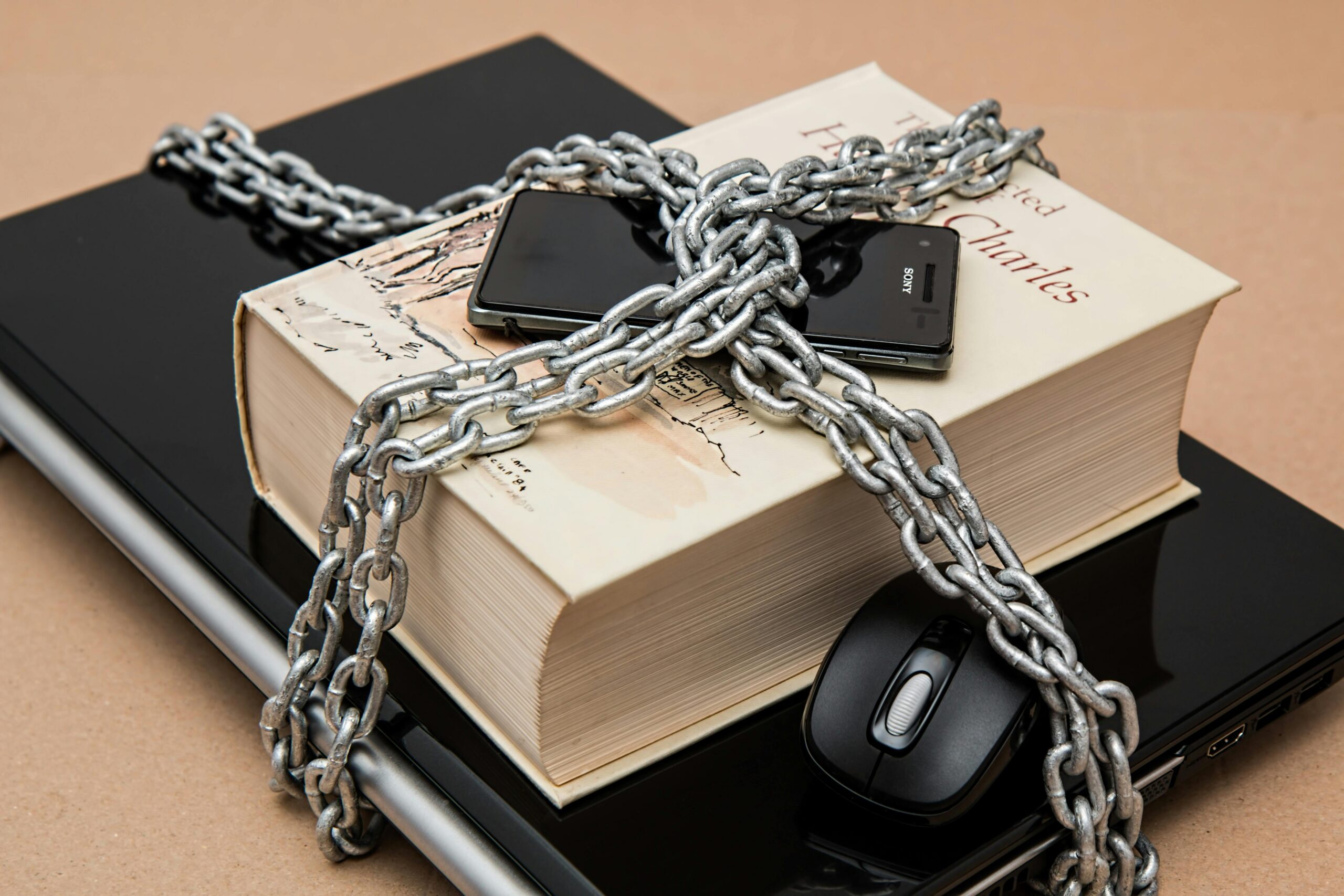
🎯 Taking Action Today
Every day without proper mobile security increases your exposure to potential threats. Cybercriminals work around the clock developing new attack methods and targeting vulnerable devices. The best time to install protection was when you first got your phone—the second best time is right now.
Don’t wait until after an incident to take security seriously. Recovery from mobile malware infections, identity theft, or data breaches is exponentially more difficult, expensive, and time-consuming than prevention. Proactive protection saves money, stress, and countless hours of remediation work.
Your smartphone contains irreplaceable memories, critical communications, and access to your financial life. Protecting it isn’t paranoia—it’s practical wisdom. Download a reputable mobile antivirus solution today and give yourself the peace of mind that comes from knowing your digital life is properly secured.
Security isn’t a luxury or an optional extra—it’s a fundamental requirement for safe smartphone use in today’s threat environment.
