
Anúncios
Modernization reshapes our world at breathtaking speed, yet beneath the gleaming surfaces of progress lies a profound loss—the gradual erasure of cultural memory, tradition, and identity that once defined communities.
🌍 The Double-Edged Sword of Progress
We live in an era of unprecedented technological advancement and global connectivity. Cities transform overnight, traditional occupations disappear, and ancient customs fade into obscurity. While modernization brings undeniable benefits—improved healthcare, enhanced communication, economic opportunities—it simultaneously sweeps away the cultural foundations that gave communities their unique character and sense of belonging.
Anúncios
The tension between preservation and progress represents one of humanity’s most pressing challenges. As skyscrapers replace ancestral homes and digital communication supplants oral storytelling traditions, entire ways of life vanish within a single generation. This cultural amnesia doesn’t happen through deliberate destruction but through the gradual, seemingly inevitable march toward homogenized modernity.
The Architecture of Memory: When Buildings Tell Stories
Traditional architecture embodies centuries of accumulated wisdom, cultural values, and environmental adaptation. A centuries-old courtyard house in China, a mud-brick dwelling in Morocco, or a wooden stilt house in Southeast Asia represents far more than shelter—it manifests a community’s relationship with climate, social structure, and spiritual beliefs.
Anúncios
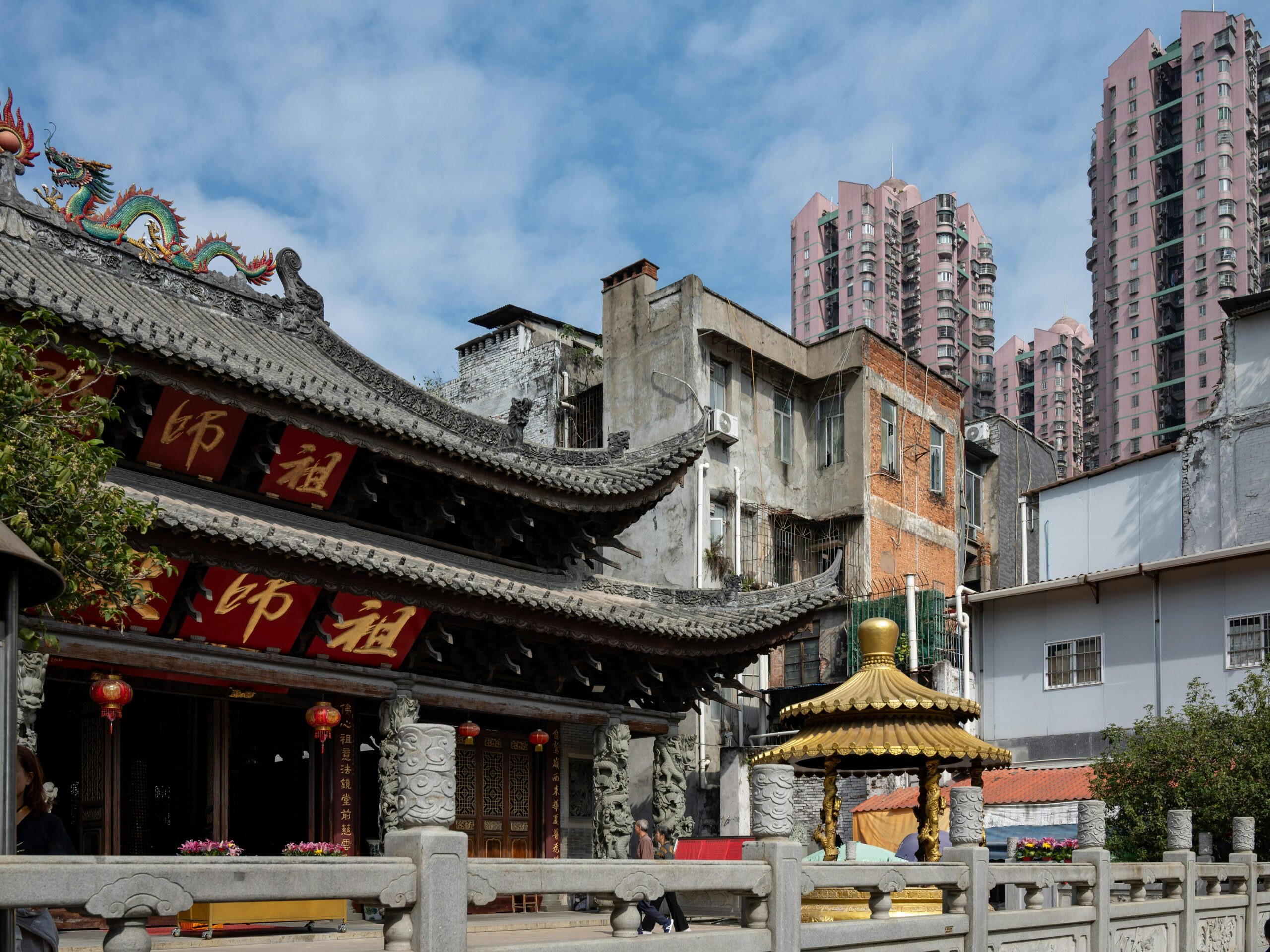
Modern urban development frequently demolishes these architectural treasures in favor of concrete towers and glass facades that could exist anywhere in the world. The resulting cityscapes become interchangeable, stripped of distinctive character. Beijing increasingly resembles Dubai, which mirrors Singapore, which echoes Toronto. The global city emerges triumphant, but local identity becomes collateral damage.
What We Lose When Historic Neighborhoods Disappear
- Vernacular building techniques adapted to local climate and materials
- Spatial arrangements reflecting cultural values and family structures
- Community gathering spaces that fostered social cohesion
- Physical landmarks connecting residents to collective memory
- Aesthetic diversity that made places instantly recognizable
- Sustainable design principles developed over generations
🎭 The Fading Tapestry of Living Traditions
Cultural traditions encompass festivals, ceremonies, crafts, culinary practices, and performance arts—the living expressions of community identity passed down through generations. Modernization threatens these practices through multiple mechanisms: economic pressures that make traditional occupations unviable, education systems that prioritize standardized global knowledge over local wisdom, and entertainment options that render traditional arts obsolete.
Young people in traditional societies face an impossible choice: embrace modernity and gain economic opportunities, or maintain ancestral practices and risk marginalization. The rational choice seems obvious, yet each individual decision contributes to collective cultural loss. Within decades, intricate knowledge systems—from medicinal plant uses to textile patterns encoding historical narratives—disappear entirely.
Endangered Cultural Practices Across the Globe
Indigenous languages vanish at alarming rates, with linguists estimating that half of the world’s approximately 7,000 languages will disappear by century’s end. Each language carries unique worldviews, ecological knowledge, and ways of conceptualizing human experience that cannot be fully translated. When a language dies, humanity loses an irreplaceable lens for understanding reality.
Traditional craftsmanship faces similar extinction. The Japanese art of kimono-making, Peruvian textile weaving with ancestral patterns, Indian block printing, Venetian glassblowing—these skills require years of apprenticeship and embody aesthetic principles refined across centuries. Mass production offers cheaper alternatives but cannot replicate the cultural meaning embedded in handcrafted objects.
Digital Culture and the Transformation of Memory 📱
The digital revolution fundamentally alters how communities create, store, and transmit cultural memory. Social media platforms, streaming services, and digital archives promise unprecedented preservation capabilities, yet they simultaneously accelerate cultural homogenization. Algorithms favor content with broad appeal, marginalizing niche cultural expressions. Global trends spread instantaneously, overwhelming local traditions.
Young people worldwide consume remarkably similar content—Hollywood films, K-pop music, viral challenges, international fashion brands. This shared digital culture creates new forms of connection but often at the expense of local cultural participation. Traditional festivals seem quaint compared to globally trending entertainment. Regional musical forms struggle to compete with algorithmically optimized pop productions.
The Paradox of Digital Preservation
Technology offers powerful tools for documenting endangered traditions. Museums create virtual exhibitions, linguists record dying languages, ethnographers film disappearing ceremonies. Yet digital preservation cannot fully capture living culture. A recorded ceremony differs fundamentally from participating in communal ritual. A database of traditional recipes cannot replicate grandmothers teaching granddaughters through embodied practice.
Digital archives risk creating culture as museum exhibit—something observed rather than lived, studied rather than practiced. The documentation itself sometimes accelerates decline by creating the illusion that preservation is unnecessary since the tradition has been “saved” digitally.
🏙️ Urbanization and the Rupture of Continuity
Rapid urbanization represents perhaps the most powerful force eroding traditional cultural identity. As populations migrate from rural areas to cities seeking economic opportunities, they leave behind not just physical places but entire social structures, ecological relationships, and cultural contexts.
Cities offer anonymity, mobility, and opportunity, but they also sever connections to ancestral land, extended family networks, and seasonal rhythms that structured traditional life. Urban environments impose new temporal patterns—clock time replaces agricultural cycles, work schedules override festival calendars, and consumer culture supplants subsistence economies.
| Traditional Community | Modern Urban Life |
|---|---|
| Intergenerational households | Nuclear families or individuals |
| Occupation inherited across generations | Frequent career changes |
| Deep local knowledge of specific place | Generic skills applicable anywhere |
| Social roles defined by tradition | Identity as individual choice |
| Seasonal festivals marking agricultural cycles | Standardized weekends and vacation periods |
The Economics of Cultural Loss
Economic development creates powerful incentives for cultural abandonment. Traditional practices often cannot compete economically with modern alternatives. A farmer using ancestral techniques cannot match industrial agriculture’s productivity. An artisan handcrafting objects cannot compete with factory prices. A traditional healer’s knowledge seems primitive compared to modern medicine.
These economic realities make cultural preservation seem like luxury—something to consider after achieving material prosperity. Communities facing poverty understandably prioritize survival over tradition. Yet this framing creates false dichotomies. Traditional ecological knowledge often offers more sustainable approaches than industrial methods. Artisanal production creates higher quality goods and meaningful employment. Indigenous medical systems complement rather than contradict modern healthcare.
Tourism’s Complex Role
Cultural tourism presents contradictory impacts. Revenue from visitors can provide economic incentives for maintaining traditions that would otherwise disappear. Communities might preserve festivals, crafts, and architecture specifically to attract tourists. However, tourism also commodifies culture, transforming living traditions into performances for outsiders.
Sacred ceremonies become ticketed attractions. Traditional clothing turns into costumes worn for photographs. Authentic cultural expressions morph into simplified versions catering to tourist expectations. The economic imperative to satisfy visitor demands can distort traditions beyond recognition, creating hollow replicas that preserve surface appearances while gutting deeper meanings.
💔 The Psychological Cost of Cultural Disconnection
Beyond material loss, cultural erosion creates profound psychological and social consequences. Human beings require rootedness—connections to place, history, and community that provide existential grounding. Traditional cultures offer comprehensive frameworks for understanding life’s purpose, navigating relationships, marking transitions, and confronting mortality.
When modernization severs these connections, individuals experience profound disorientation. Studies consistently link cultural disconnection with increased rates of depression, anxiety, substance abuse, and suicide, particularly among indigenous populations undergoing rapid modernization. The loss extends beyond individual psychology to fragment social cohesion, as shared cultural references and collective memory disappear.
🌱 Pathways Toward Cultural Resilience
Despite these challenges, communities worldwide demonstrate that cultural continuity and modernization need not be mutually exclusive. Successful approaches reject both uncritical modernization and romantic preservation fantasies, instead seeking creative integration.
Adaptive Tradition: Evolution Without Erasure
Living cultures have always adapted to changing circumstances while maintaining core identity. The key lies in communities controlling their own cultural evolution rather than having change imposed externally. When people actively choose which traditions to maintain, which to modify, and which to release, cultural change becomes creative adaptation rather than destructive loss.
Examples abound: Indigenous communities using digital platforms to teach endangered languages; traditional musicians incorporating modern instruments while preserving melodic structures; architects designing contemporary buildings using vernacular principles; farmers combining ancestral ecological knowledge with modern science.
Intergenerational Transmission in Modern Contexts
Cultural continuity requires effective transmission between generations. This becomes challenging when young people spend formative years in schools teaching standardized curricula or consuming global digital culture. Successful approaches create spaces for intergenerational knowledge sharing within modern life.
- Community language nests where elders teach children traditional languages
- Apprenticeship programs connecting young people with traditional craftspeople
- Cultural festivals adapted to accommodate modern schedules while preserving core meanings
- Digital archives created and controlled by communities themselves
- School curricula incorporating local history, language, and knowledge systems
- Urban spaces designed to accommodate traditional practices and gatherings
The Role of Education in Cultural Continuity 📚
Educational systems powerfully influence cultural transmission. Colonial and post-colonial education often deliberately suppressed indigenous languages and knowledge systems, promoting European languages and epistemologies as superior. Even well-intentioned modern education systems typically privilege standardized global content over local cultural knowledge.
Innovative educational approaches demonstrate that schools can support rather than undermine cultural continuity. Bilingual education programs maintain mother tongues while teaching dominant languages. Curricula incorporating local history, ecology, and cultural practices help students develop pride in their heritage. Elder-in-residence programs bring traditional knowledge bearers into educational settings.
🌏 Reimagining Progress: Development with Identity
The fundamental challenge requires reconceptualizing development itself. The dominant model equates progress with westernization—adopting European languages, architectural styles, economic systems, social structures, and values. This model assumes all societies must follow the same trajectory, rendering cultural diversity a temporary phenomenon destined to disappear.
Alternative development paradigms recognize multiple forms of progress. Communities can achieve health, prosperity, and opportunity while maintaining cultural distinctiveness. Development becomes not the replacement of traditional culture with modernity but the enhancement of communities’ capabilities to thrive according to their own values.
What Culturally Grounded Development Looks Like
Bhutan’s Gross National Happiness index measures progress through cultural preservation, environmental sustainability, and psychological wellbeing alongside economic indicators. New Zealand increasingly incorporates Māori concepts and language into national institutions. Bolivia’s constitution recognizes indigenous worldviews and governance systems. These examples suggest possibilities for modernization that strengthens rather than erodes cultural identity.
The Urgency of Our Historical Moment ⏰
We live during an unprecedented rupture in human cultural continuity. The past century witnessed more cultural loss than any comparable period in history. Globalization, urbanization, digital technology, and economic integration accelerate at rates that prevent gradual adaptation. Traditions that survived millennia disappear within decades.
Yet this same historical moment offers unprecedented tools for cultural preservation and revival. Digital technology enables documentation, connection, and transmission impossible in earlier eras. Growing awareness of cultural erosion’s costs motivates preservation efforts. Globalization itself creates space for cultural assertion as communities seek distinctiveness in increasingly homogenized landscapes.
The question isn’t whether modernization will continue but whether it will completely erase cultural diversity or whether humanity will develop more sophisticated approaches that allow communities to participate in modernity while maintaining meaningful connections to their heritage. The answer depends on choices made now—by governments, communities, educators, and individuals—about what we value and what we’re willing to protect.
Reclaiming Cultural Memory Before It’s Lost
Cultural identity isn’t static or pure—it has always evolved through exchange, adaptation, and creativity. The goal isn’t freezing traditions in artificial preservation but ensuring communities maintain agency over their cultural evolution. This requires recognizing that cultural diversity represents valuable human heritage worth protecting, that modernization and cultural continuity can coexist, and that what we’re losing matters profoundly.
Every disappeared language, demolished historic neighborhood, forgotten tradition, and severed cultural connection diminishes human possibility. The essence of cultural identity—the unique ways communities understand existence, express creativity, organize social life, and transmit wisdom—represents irreplaceable human achievement. Modernization that erases this diversity impoverishes everyone, creating a world of material abundance but existential emptiness.
The path forward requires vigilance, creativity, and commitment. It demands that we question assumptions about progress, resist homogenization’s seductive convenience, and actively work to maintain cultural diversity. The traditions, memories, and identities we lose cannot be recovered. What we protect today becomes the heritage future generations inherit—either a rich tapestry of human cultural diversity or a bland uniformity where everywhere looks the same and nothing feels like home. ✨
