
Anúncios
The fading practice of intergenerational storytelling represents one of modern society’s most overlooked losses, severing connections that once bound families and communities across decades.
📖 When Stories Shaped Our Identity
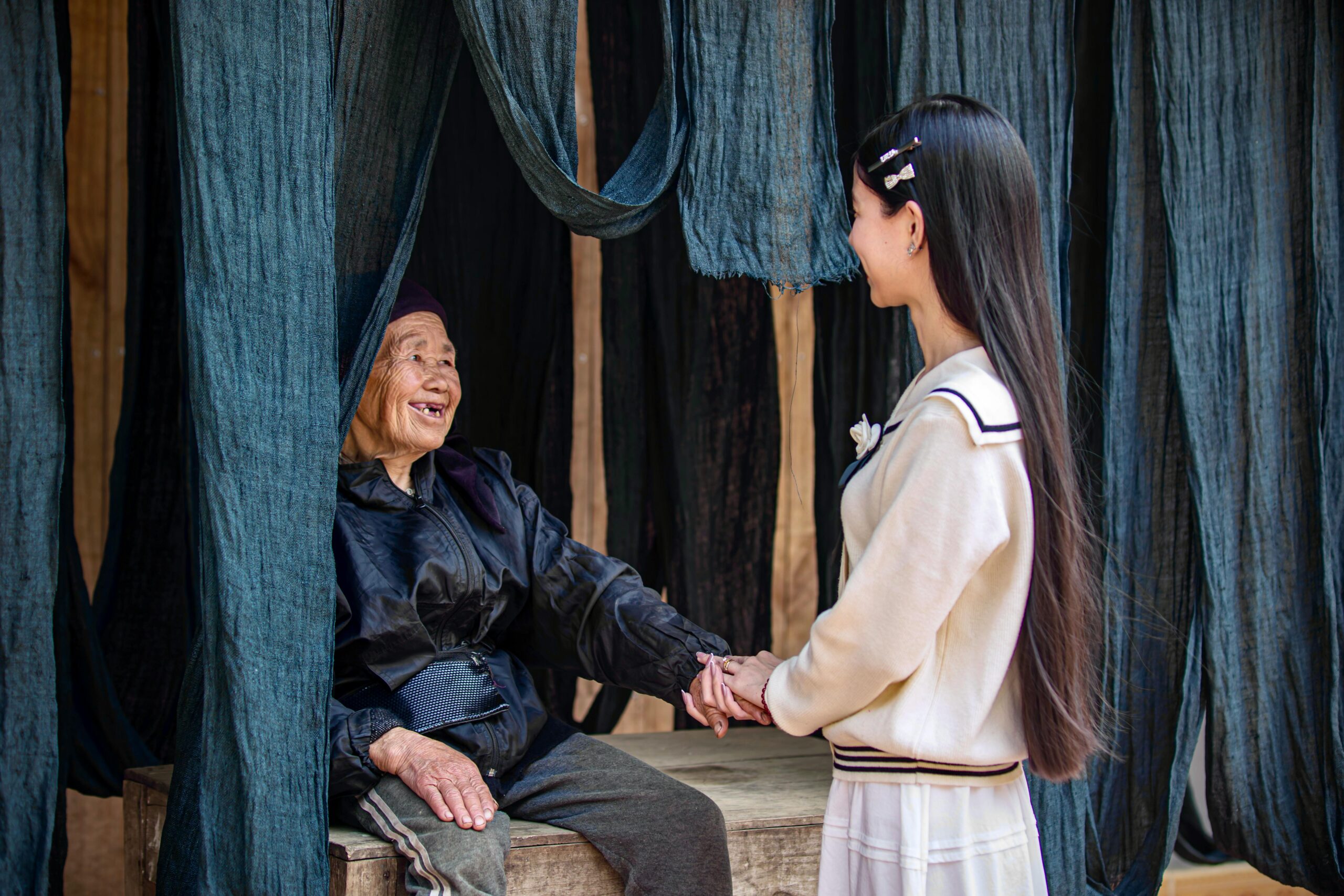
For thousands of years, storytelling served as humanity’s primary method of preserving history, transmitting values, and building identity. Grandparents sat with grandchildren, weaving tales of hardship and triumph. Parents recounted their youth to curious offspring. These weren’t merely entertainment—they were the threads binding generations together, creating a tapestry of shared experience and understanding.
Anúncios
The oral tradition carried more than facts. It transmitted tone, emotion, and context that written words often fail to capture. When a grandmother described surviving difficult times, her weathered hands and distant gaze communicated truths no history book could match. When a grandfather recounted his first job, the pride and nostalgia in his voice taught lessons about perseverance that transcended the story’s literal content.
This exchange created something irreplaceable: a sense of continuity. Children understood they belonged to something larger than themselves—a lineage of real people who faced real challenges and emerged with wisdom worth sharing. These stories answered fundamental questions about identity: Where do I come from? What values define my family? How did we become who we are?
Anúncios
🌐 The Digital Disruption of Connection
Technology has revolutionized communication while paradoxically eroding meaningful connection. Today’s families often occupy the same physical space while inhabiting entirely different digital worlds. The living room that once hosted story circles now sees each family member absorbed in individual screens, consuming content tailored by algorithms rather than passed down through generations.
The shift happened gradually. Television began the transformation, creating shared viewing experiences that replaced conversation. Then came personal computers, smartphones, and tablets—each innovation further fragmenting collective attention. What was once prime storytelling time—evenings, weekends, long car rides—now belongs to streaming services, social media, and gaming platforms.
Social media platforms promise connection but deliver something fundamentally different. Curated highlight reels replace authentic narratives. Brief text updates substitute for nuanced oral histories. The algorithm decides what’s worth seeing, filtering out the imperfect, meandering, deeply human stories that elders naturally share.
💔 The Consequences of Silence
The disappearance of intergenerational storytelling leaves measurable wounds. Research indicates that children who know their family history demonstrate higher self-esteem, better emotional regulation, and greater resilience in facing challenges. They possess what psychologists call a “strong intergenerational self”—an understanding that they’re part of something larger that has survived difficulties before.
Without these narratives, younger generations lose access to accumulated wisdom. Lessons that previous generations learned through hardship must be relearned from scratch. The grandmother who survived economic depression could teach financial resilience; the grandfather who navigated career setbacks could model persistence. When these stories remain untold, their wisdom dies with them.
The loss extends beyond individual families. Communities lose collective memory. Neighborhood histories vanish. The informal networks that once supported social cohesion—knowing who lived through what, who helped whom during hard times—dissolve into anonymity. We become strangers living in parallel rather than neighbors woven into shared narratives.
Emotional Distance and Understanding
Perhaps most significantly, the storytelling gap creates emotional distance between generations. Older adults feel irrelevant, their experiences dismissed as outdated. Younger people view elders as out-of-touch rather than as repositories of wisdom. This mutual misunderstanding breeds isolation on both sides.
When grandparents aren’t invited to share their stories, they lose purpose and connection. Studies show that elderly individuals who regularly engage with younger generations report better mental health, greater life satisfaction, and even improved physical wellbeing. Conversely, those who feel their experiences hold no value for younger people experience higher rates of depression and loneliness.
Young people, meanwhile, miss opportunities to develop empathy and historical perspective. Hearing firsthand accounts of different eras—times of war, economic hardship, social transformation—creates understanding that no documentary can replicate. These stories humanize history and contextualize current challenges within longer trajectories of human experience.
🏗️ The Architecture of Modern Life
Physical and social structures compound the problem. Multi-generational households, once common, have become rare in many cultures. Geographic mobility scatters families across cities, states, or countries. Career demands and commute times reduce availability for casual conversations that might organically lead to storytelling.
Even when families gather, the occasions often feel rushed or formal. Holiday dinners become logistical operations rather than leisurely story exchanges. Brief visits focus on immediate concerns—health updates, schedule coordination—leaving little space for the rambling, tangential narratives through which wisdom traditionally flowed.
Nursing homes and assisted living facilities, while sometimes necessary, further distance elders from daily family life. What might have been spontaneous afternoon conversations become scheduled visits, constrained by institutional schedules and the artificiality of the setting. The kitchen table where stories once naturally unfolded gets replaced by institutional common rooms that feel less conducive to intimate sharing.
🎯 Reclaiming the Lost Art
Reversing this trend requires intentional effort, but the rewards justify the investment. Families can implement practical strategies to resurrect intergenerational storytelling and rebuild connections that modern life has eroded.
Creating Sacred Storytelling Spaces
Designate specific times and places for story sharing. This might mean phone-free Sunday dinners, monthly video calls specifically for elder family members to share memories, or annual reunions structured around storytelling rather than just socializing. The key is intentionality—recognizing that stories won’t emerge naturally in today’s environment without dedicated space.
Physical environment matters. Comfortable settings where people can relax, make eye contact, and settle in for extended conversations work best. Consider recording these sessions—not to immediately post online, but to preserve them for future generations. Audio recordings, video interviews, or even written transcriptions ensure stories survive beyond individual lifetimes.
Strategic Question Asking
Many elders hesitate to share stories unsolicited, fearing they’ll bore younger listeners or seem self-indulgent. Thoughtful questions open doors. Instead of generic “tell me about your childhood,” try specific prompts:
- What was your first job, and what did it teach you?
- Tell me about a time you failed and how you recovered.
- What was the hardest decision you ever made?
- How did you meet my grandmother/grandfather?
- What advice did your parents give you that proved true?
- What has changed most during your lifetime?
- What do you wish you’d known at my age?
These questions invite detailed narratives rather than brief answers. They signal genuine interest and create permission for extended storytelling. Follow-up questions deepen engagement: “How did that make you feel?” “What happened next?” “What did you learn from that experience?”
🔄 Bridging the Generational Divide
Effective intergenerational storytelling flows both ways. Younger people should share their experiences too, explaining their world to older generations who may struggle to understand contemporary challenges. This reciprocity transforms storytelling from a one-directional lecture into genuine exchange.
When teenagers explain social media dynamics, streaming culture, or career paths that didn’t exist a generation ago, they help elders understand their reality. This mutual sharing builds empathy. Grandparents who understand modern pressures judge less harshly; young people who hear historical context gain perspective on their own challenges.
Technology as Bridge, Not Barrier
While technology often disrupts connection, it can also facilitate it when used intentionally. Video calling enables storytelling across geographic distances. Private family social media groups can share stories, photos, and memories in ongoing ways rather than only during infrequent visits.
Digital recording tools preserve stories for posterity. Smartphone apps designed specifically for capturing family histories provide structured prompts and easy sharing. The key is using technology purposefully to enhance connection rather than allowing it to passively displace human interaction.
🌱 What We Stand to Regain
Reviving intergenerational storytelling promises profound benefits that extend far beyond nostalgic warm feelings. These practices address some of modern life’s most pressing challenges: isolation, lack of purpose, identity confusion, and diminished resilience.
For elders, being heard and valued combats the irrelevance that plagues many older adults in youth-obsessed cultures. Sharing wisdom provides purpose. Connecting with younger generations reduces loneliness and depression. Studies show that older adults who regularly engage in meaningful intergenerational activities experience cognitive benefits, potentially delaying dementia and maintaining mental sharpness.
For younger people, access to family narratives builds resilience. Knowing that grandparents survived depression, war, or personal tragedy provides perspective during difficult times. These stories offer road maps for navigating challenges and models for overcoming adversity. They answer questions about identity and belonging that no amount of social media scrolling can address.
Community and Cultural Benefits
Beyond individual families, widespread intergenerational storytelling strengthens communities. When neighbors know each other’s histories, they develop invested relationships rather than anonymous proximity. Community resilience increases when collective memory persists—knowledge of how the neighborhood survived previous challenges informs responses to current ones.
Culturally, these practices preserve diversity. Immigrant families pass down heritage languages, traditions, and cultural values through stories. Without this transmission, cultural knowledge erodes within a few generations. Children lose connection to ancestral roots, and the broader society loses the richness that diverse cultural traditions provide.
✨ The Threads We Must Reweave
The disappearance of intergenerational storytelling isn’t inevitable. Unlike many modern problems, this one has a straightforward solution: we must choose to prioritize connection over convenience, conversation over consumption, and relationships over digital distractions.
This requires cultural shift. We must reject the notion that elder experiences are irrelevant in a fast-changing world. We must recognize that wisdom doesn’t expire and that human challenges—love, loss, purpose, perseverance—remain fundamentally similar across eras even when surface details change.
Families can start small. One story-focused meal weekly. One monthly video call dedicated to asking older relatives about their lives. One annual gathering structured around memory sharing. These modest commitments compound over time, rebuilding connections that have atrophied.
Schools and community organizations can facilitate intergenerational programs, bringing young people into regular contact with elders through structured activities that naturally prompt storytelling. Workplaces can implement reverse mentoring, where younger employees learn from older colleagues’ experiences while teaching new skills in return.
🎭 Stories as Legacy
Ultimately, intergenerational storytelling isn’t just about preserving the past—it’s about building the future. The stories we share today become the foundation upon which tomorrow’s generations build their identities, values, and understanding of human possibility.
Every untold story represents lost wisdom. Every elder who dies without sharing their experiences takes irreplaceable knowledge to the grave. Every young person who never hears their family history starts life with a thinner foundation than necessary. We cannot afford to continue this pattern of loss.
The threads of time that connect generations aren’t lost—they’re simply neglected. With intention, effort, and commitment to prioritizing human connection in an increasingly digital world, we can reweave these bonds. The stories are still there, held in the memories of living elders who simply need invitation and audience. The hunger for connection persists in younger generations who crave meaning beyond what algorithms provide.
What’s required is the will to bridge the gap—to put down devices, ask meaningful questions, listen deeply, and recognize that the most valuable content we’ll ever consume isn’t streaming from corporate servers but flowing from the lived experiences of those who came before us. In these exchanges, we find not just family history but the wisdom, perspective, and connection that make us fully human. 🌟
