Anúncios
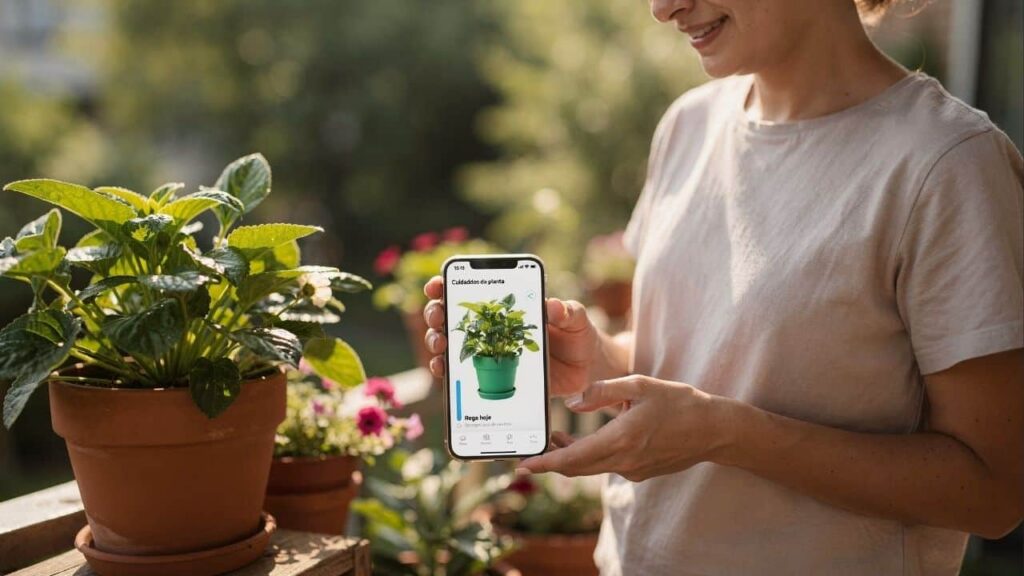
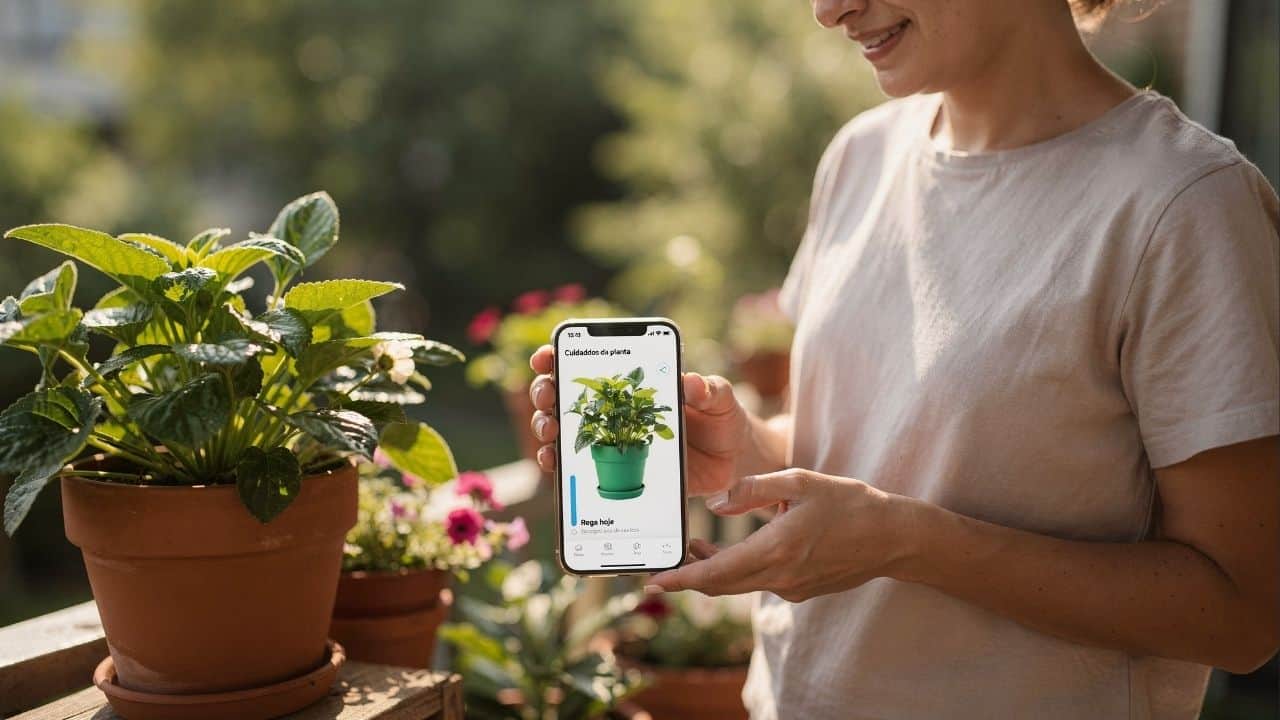
Managing indoor and outdoor plants has never been easier thanks to modern technology that helps you identify species and care for them properly.
Whether you’re a seasoned gardener or just starting your journey with houseplants, having the right tools makes all the difference. Plant identification apps have revolutionized how we interact with our green companions, offering instant access to care guides, watering schedules, and disease diagnosis right from your smartphone.
Anúncios
These innovative applications combine artificial intelligence with extensive botanical databases to deliver accurate plant recognition and personalized care recommendations. From succulents to tropical foliage, these digital assistants ensure your plants thrive while simplifying the learning process for beginners and experts alike.
🌿 How Plant Identification Apps Actually Work
Plant identification technology relies on sophisticated image recognition algorithms trained on millions of plant photos. When you snap a picture of a leaf, flower, or entire plant, the app analyzes visual characteristics like shape, color, texture, and pattern to match it against its database.
Anúncios
The process happens in seconds. Advanced machine learning models compare your image with thousands of species, considering factors such as leaf arrangement, petal count, and growth patterns. The best apps achieve accuracy rates above 95% for common species, though rare or hybrid plants may require additional verification.
Beyond simple identification, these applications track environmental conditions, seasonal changes, and specific plant varieties to provide tailored care instructions. Some even incorporate community features where experienced gardeners validate identifications and share cultivation tips.


📱 Essential Features to Look For in Plant Care Apps
Not all plant apps offer the same functionality. The most comprehensive solutions combine multiple features that address different aspects of plant parenthood, from initial identification through ongoing maintenance.
Visual Recognition Capabilities
The foundation of any quality plant app is its ability to accurately identify species from photos. Look for apps that can recognize plants from various angles—leaves, flowers, bark, or fruit—since you won’t always have access to the entire specimen.
Premium apps offer multi-photo analysis, allowing you to upload several images for more accurate results. This proves especially valuable when dealing with plants that look similar or have seasonal variations in appearance.
Personalized Care Reminders
Smart scheduling transforms plant care from guesswork into precision. The best applications send notifications for watering, fertilizing, pruning, and repotting based on each plant’s specific needs and your local climate conditions.
These reminders adapt to seasonal changes, adjusting watering frequency during winter dormancy or increasing during active growth periods. Some apps even factor in indoor humidity levels and light exposure when calculating optimal care schedules.
Health Diagnostics and Treatment Guidance
When your plants show signs of distress, quick diagnosis makes the difference between recovery and loss. Advanced apps identify common problems like pest infestations, nutrient deficiencies, overwatering, or disease symptoms through photo analysis.
After diagnosis, they provide step-by-step treatment protocols, including recommended products, application methods, and recovery timelines. This feature alone can save struggling plants and prevent problems from spreading to your entire collection.
🏡 Benefits of Using Plant Care Applications at Home
Integrating technology into your gardening routine delivers tangible advantages that extend beyond simple convenience. These tools fundamentally change how we approach plant cultivation, making success accessible to everyone regardless of experience level.
Building Confidence for Beginners
New plant parents often feel overwhelmed by conflicting care advice and fear killing their first purchases. Apps eliminate this anxiety by providing clear, species-specific instructions that remove the guesswork from daily care decisions.
The instant feedback loop—take a photo, receive identification, get care instructions—accelerates the learning process. Within weeks, beginners develop intuition about plant needs that traditionally took years to acquire through trial and error.
Expanding Your Botanical Knowledge
Every plant you scan becomes a learning opportunity. Most apps provide detailed information about origin, natural habitat, growth patterns, and interesting facts that deepen your appreciation for botanical diversity.
This educational component transforms casual plant owners into knowledgeable enthusiasts. Understanding why certain plants need specific conditions—like why ferns require humidity or succulents prefer drought—creates meaningful connections with your collection.
Preventing Costly Mistakes
Replacing dead plants gets expensive quickly, especially with trendy or rare specimens. Plant apps protect your investment by catching problems early, before minor issues become fatal.
Proper watering schedules alone prevent the majority of houseplant deaths. When apps remind you exactly when to water based on species, pot size, and environmental conditions, survival rates improve dramatically. The subscription cost of premium features pays for itself after saving just one or two valuable plants.
🌍 Identifying Wild Plants and Outdoor Species
Plant identification apps aren’t just for indoor gardening enthusiasts. Hikers, nature lovers, and foragers use these tools to identify wild species during outdoor adventures, enhancing their connection with natural environments.
When you encounter an interesting plant on a trail, simply photograph it for instant identification. Many apps include information about native ranges, ecological roles, and whether species are edible, medicinal, or potentially harmful.
This capability proves particularly valuable for parents wanting to teach children about nature or gardeners looking to incorporate native plants into their landscapes. Understanding local flora promotes biodiversity and supports regional ecosystems.
Safety Considerations for Wild Plants
While apps excel at identification, never consume wild plants based solely on app recommendations. Some toxic species closely resemble edible ones, and misidentification can have serious consequences.
Use identification apps as educational tools and starting points for research, but consult multiple expert sources before harvesting or consuming any wild plant. When in doubt, enjoy their beauty through observation and photography instead.
💡 Advanced Features That Set Premium Apps Apart
Free versions of plant apps offer solid basic functionality, but premium subscriptions unlock features that serious plant enthusiasts find indispensable for managing extensive collections.
Unlimited Plant Library
Free tiers typically limit how many plants you can add to your virtual garden, while premium access removes these restrictions. For collectors with dozens or hundreds of plants, unlimited storage becomes essential for tracking care schedules and growth progress.
Premium libraries often include advanced organization tools like custom categories, location tagging (bedroom, patio, greenhouse), and growth journals with photo timelines that document your plants’ development.
Expert Consultation Access
Some premium subscriptions include direct access to botanists and horticulturists who answer specific questions about unusual problems or rare species. This human expertise supplements AI capabilities, providing nuanced advice for complex situations.
When dealing with valuable specimens or persistent issues, professional guidance offers peace of mind that automated systems can’t match. The ability to submit detailed photos and receive personalized recommendations from certified experts justifies premium pricing for serious collectors.
Comprehensive Plant Databases
Premium versions typically offer access to significantly larger databases, including rare cultivars, regional varieties, and specialty plants that free versions might not recognize. This expanded coverage proves essential for collectors focusing on specific plant families or exotic species.
Enhanced databases also provide more detailed care information, including propagation techniques, pruning schedules, common companion plants, and historical cultivation notes from experienced growers worldwide.
🔍 Choosing the Right App for Your Needs
With dozens of plant identification apps available, selecting the best one depends on your specific requirements, budget, and level of involvement with plant care.
Consider what you’ll primarily use the app for. Casual users who occasionally encounter interesting plants need different features than dedicated gardeners managing extensive indoor jungles or outdoor gardens.
For Occasional Identification
If you mainly want to identify random plants you encounter, focus on apps with strong visual recognition and large databases. Free versions typically suffice for this use case, though you might encounter daily identification limits.
Look for apps that work offline or with limited connectivity, especially if you frequently hike or travel to areas with poor cell service. Some applications allow downloading regional databases for field use without internet access.
For Active Plant Parents
Managing a growing plant collection requires robust care reminder systems, health monitoring, and detailed species information. Premium subscriptions make sense here, as the enhanced features directly contribute to plant health and survival.
Prioritize apps with customizable notification schedules, growth tracking, and community features where you can share progress photos and get advice from fellow enthusiasts. Integration with smart home devices or light meters adds another level of precision to environmental monitoring.
For Professional Landscapers and Botanists
Professionals need exceptional accuracy, comprehensive databases including Latin nomenclature, and features supporting client communication. Business-oriented apps may offer invoice integration, client garden tracking, and professional branding options.
Database size matters significantly for professional use—apps with 10,000+ species provide better coverage than those with just a few thousand. Regional specificity also becomes important when working with native plants or climate-specific landscaping.
🌱 Maximizing Success with Your Plant Care App
Simply downloading an app won’t automatically make you a better plant parent—success requires engaging with the features and applying the information consistently.
Start by cataloging your entire collection, even if you already know most species. This creates a comprehensive care calendar and establishes baseline data for tracking growth and changes over time.
Accurate Initial Setup
Take time to input detailed information about each plant’s environment. Note actual light conditions (not just “bright indirect light” but specific window orientation and distance), pot size, soil type, and current watering routine.
This initial investment pays dividends through more accurate care recommendations. Apps use this environmental data to customize reminders, so accuracy directly impacts how well the suggestions match your plants’ actual needs.

Consistent Interaction
Treat the app like a gardening journal, logging watering dates, fertilizer applications, and any observations about plant health. This creates valuable data that helps you identify patterns and refine care routines.
Regular photo updates document growth and help you spot subtle changes that might indicate emerging problems. Comparing photos from different months reveals whether plants are thriving, struggling, or remaining stagnant despite care efforts.
Community Engagement
Many apps include social features where users share identification confirmations, care tips, and troubleshooting advice. Engaging with these communities accelerates learning and exposes you to creative solutions for common problems.
Don’t hesitate to ask questions or share your own experiences. The collective knowledge of thousands of plant enthusiasts often yields insights that no algorithm can generate, especially for unusual situations or rare species.
🌟 The Future of Plant Care Technology
Plant identification apps continue evolving with emerging technologies that promise even more sophisticated care assistance. Understanding these trends helps you anticipate which features might soon become standard.
Integration with IoT devices represents the next frontier. Smart soil sensors that measure moisture, nutrients, and pH levels already sync with some apps, providing real-time data that eliminates guesswork from watering and fertilizing decisions.
Augmented reality features are beginning to appear, allowing you to visualize how mature plants will look in specific locations before purchasing. Point your camera at a corner of your room, and the app superimposes a fully-grown monstera or fiddle leaf fig, helping you make informed decisions about space and aesthetics.
AI chatbots trained on botanical knowledge are becoming more sophisticated, offering conversational troubleshooting that feels like texting with an expert gardener. These assistants understand context, ask clarifying questions, and provide nuanced advice that adapts to your specific situation.

🎯 Making Plant Care More Accessible and Enjoyable
The ultimate value of plant identification and care apps lies in democratizing botanical knowledge. What once required years of study or mentorship from experienced gardeners now fits in your pocket, available whenever questions arise.
This accessibility encourages more people to bring plants into their lives, creating greener living spaces that improve air quality, mental health, and connection with nature. When plant care feels manageable rather than overwhelming, people embrace it enthusiastically instead of avoiding it due to fear of failure.
Technology won’t replace the tactile pleasure of working with soil or the satisfaction of watching something you nurtured bloom for the first time. Instead, these apps remove barriers that prevented people from experiencing those joys in the first place.
By combining scientific precision with user-friendly interfaces, modern plant apps create a supportive framework where both plants and people thrive together. Whether you’re rescuing a struggling succulent, identifying a mysterious wildflower, or expanding a jungle of thriving houseplants, the right app transforms uncertainty into confidence and confusion into clarity.
The relationship between humans and plants has existed for millennia, but never before have we had such powerful tools to understand and respond to their needs. Embracing this technology doesn’t diminish the authentic experience of plant care—it enhances it, creating opportunities for success that inspire deeper engagement with the botanical world around us.