Anúncios
# Digital Braille Reading App: Breaking Barriers with Technology 📱
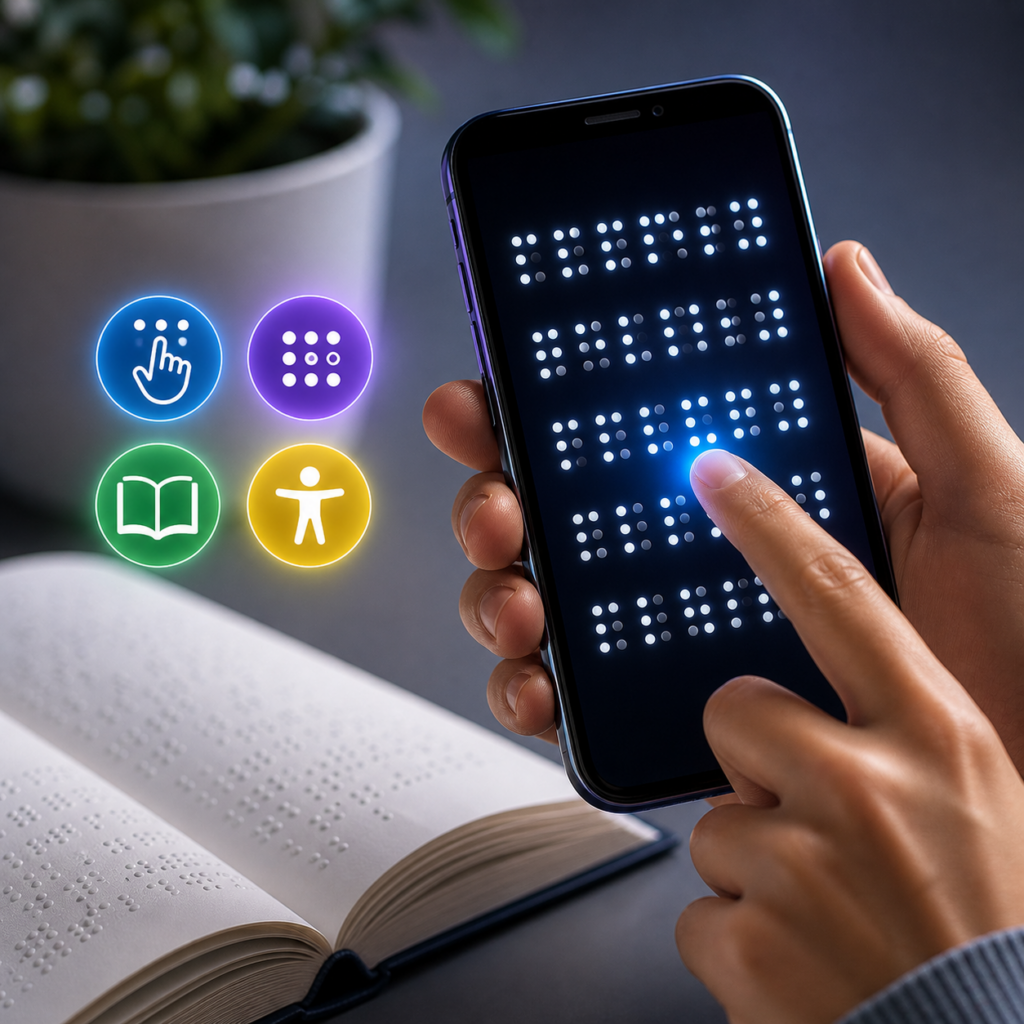
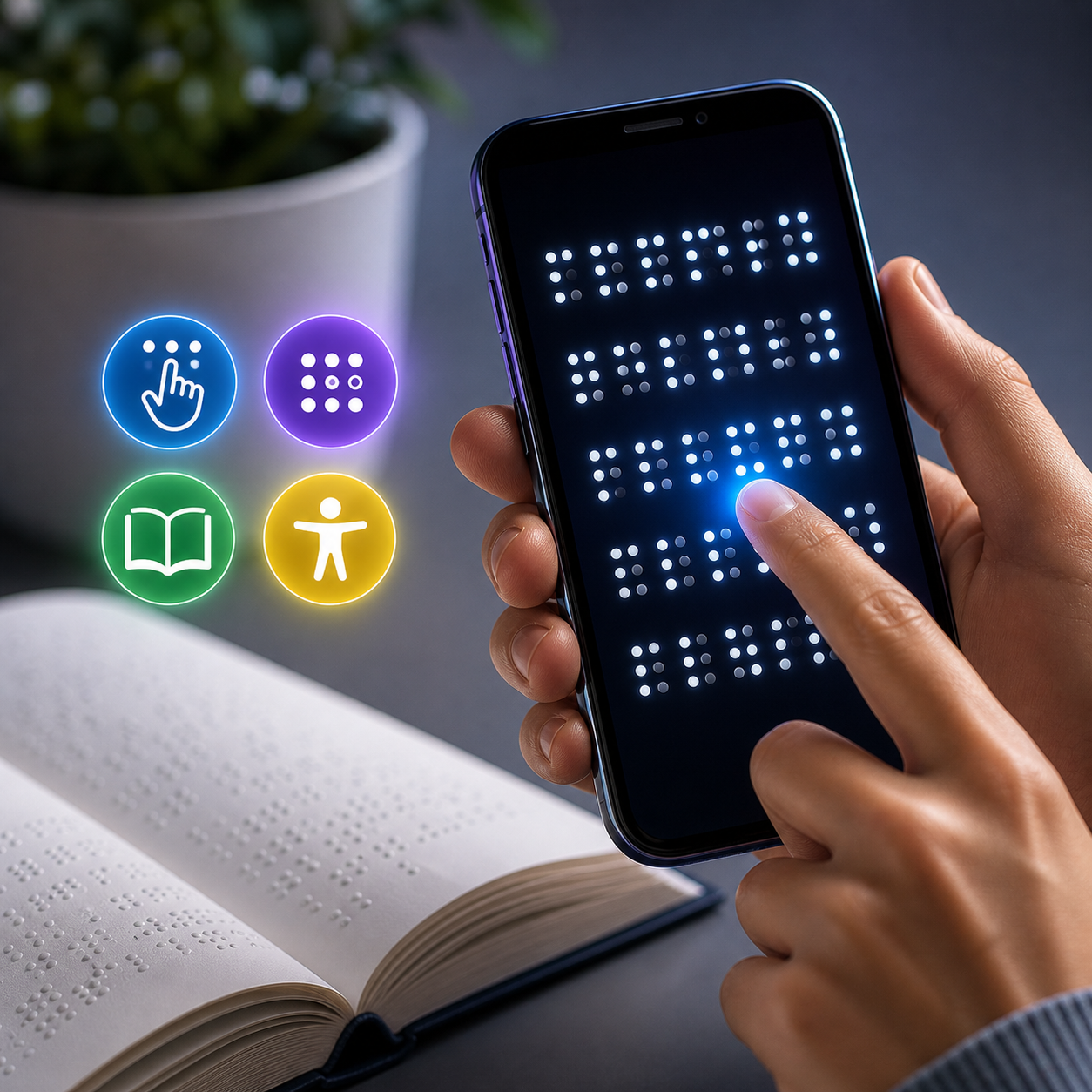
Technology is transforming accessibility for visually impaired individuals, offering new ways to read, learn, and connect with the digital world through innovative Braille solutions.Digital Braille reading applications represent a revolutionary step forward in making literature, education, and information accessible to millions of blind and visually impaired people worldwide. These apps combine traditional Braille systems with modern smartphone technology, creating an inclusive environment where everyone can enjoy the pleasure of reading.
Anúncios
The evolution from physical Braille books to digital platforms has opened unprecedented opportunities. Users can now carry entire libraries in their pockets, access educational materials instantly, and practice their Braille skills anywhere, anytime. This transformation is not just about convenience—it’s about independence, empowerment, and equal access to knowledge.🌟 Understanding Digital Braille Technology
Digital Braille reading apps work by translating text into tactile patterns that users can feel through specialized devices or learn through interactive visual representations. Unlike traditional Braille embossers that require physical production, these applications provide instant access to content in multiple formats.
Anúncios
The technology behind these apps incorporates advanced algorithms that convert standard text into Grade 1 or Grade 2 Braille. Some sophisticated applications even support multiple languages, mathematical notation, and musical Braille, making them versatile tools for diverse learning needs.
Modern digital Braille solutions utilize touchscreen interfaces with haptic feedback, audio cues, and voice-over integration. This multi-sensory approach enhances the learning experience and makes Braille literacy more attainable for beginners while providing advanced features for proficient readers.


📚 Key Features of Leading Braille Reading Apps
The best digital Braille applications offer comprehensive features designed to accommodate various skill levels and learning preferences. These functionalities transform smartphones and tablets into powerful educational and reading tools.
Interactive Learning Modules
Quality Braille apps include structured lessons that guide users from basic letter recognition to complex word formation. Interactive exercises provide immediate feedback, helping learners develop muscle memory and pattern recognition skills essential for Braille proficiency.
Gamification elements make the learning process engaging and motivating. Users earn achievements, track progress, and compete with friends, transforming what could be a challenging educational journey into an enjoyable experience.
Extensive Content Libraries
Access to diverse reading materials is crucial for maintaining and improving Braille skills. Leading apps provide libraries containing classic literature, contemporary novels, textbooks, news articles, and religious texts—all available in digital Braille format.
Many applications integrate with online databases and allow users to convert their own documents into Braille. This flexibility ensures that users can access virtually any text they need, whether for education, work, or leisure.
Customization and Accessibility Options
Personalization features allow users to adjust dot sizes, contrast levels, and reading speeds according to their individual preferences and visual capabilities. These customizable settings ensure comfortable and effective use for people with varying degrees of visual impairment.
Voice guidance systems provide audio instructions and descriptions, making navigation intuitive even for those new to digital interfaces. This thoughtful design consideration removes technological barriers that might otherwise limit accessibility.
💡 Benefits of Learning Braille Through Digital Applications
The advantages of using digital platforms for Braille literacy extend far beyond simple convenience. These applications address longstanding challenges in Braille education while creating new opportunities for skill development.
Accessibility and Affordability
Traditional Braille books are expensive to produce and difficult to distribute. A single textbook can cost hundreds of dollars and occupy significant physical space. Digital Braille apps eliminate these barriers by providing affordable or free access to unlimited content.
This democratization of Braille resources means that students in remote areas or developing countries can access the same quality materials as those in well-funded educational institutions. Economic circumstances no longer determine access to literacy.
Self-Paced Learning Environment
Digital applications empower users to learn at their own speed without pressure or judgment. Beginners can repeat lessons as many times as needed, while advanced learners can accelerate through material that comes easily to them.
The private nature of app-based learning removes social anxiety that some individuals experience in traditional classroom settings. This comfort promotes more consistent practice and ultimately faster skill acquisition.
Immediate Feedback and Progress Tracking
Unlike static textbooks, interactive apps provide instant correction and encouragement. When users make mistakes, they receive explanations and opportunities to try again immediately, reinforcing correct patterns and preventing the development of bad habits.
Comprehensive progress tracking shows users exactly how far they’ve come and identifies areas needing additional practice. This data-driven approach optimizes learning efficiency and maintains motivation through visible achievement.
🎯 Choosing the Right Braille Reading App
With numerous options available, selecting the most appropriate digital Braille application requires consideration of several important factors. Understanding your specific needs and goals will guide you toward the best choice.

Evaluating Educational Content Quality
Examine the curriculum structure and pedagogical approach each app employs. The most effective programs follow evidence-based teaching methodologies developed by Braille education specialists. Look for apps that have been tested with real users and incorporate feedback from the visually impaired community.
Check whether the app covers both contracted and uncontracted Braille, as proficiency in both systems enhances overall reading capability. Comprehensive applications should also include numbers, punctuation, and special symbols used in academic and professional contexts.
Technical Compatibility and Support
Ensure the application is compatible with your device’s operating system and any assistive technologies you already use. The best apps integrate seamlessly with built-in accessibility features like VoiceOver on iOS or TalkBack on Android.
Consider whether the app works offline, which is essential for uninterrupted learning in areas with limited internet connectivity. Cloud synchronization features allow users to switch between devices while maintaining their progress and personalized settings.
Community and Ongoing Development
Applications backed by active user communities offer tremendous value beyond the software itself. Forums, discussion groups, and social features connect learners with peers, mentors, and experts who can provide encouragement, advice, and support.
Regular updates indicate that developers are committed to improving the app based on user feedback and technological advances. Active development ensures that the application remains compatible with new devices and operating system updates.
🚀 Maximizing Your Digital Braille Learning Experience
Simply downloading an app is just the beginning. Developing true Braille proficiency requires consistent practice, strategic approach, and integration into daily life.
Establishing a Regular Practice Routine
Consistency trumps intensity when building new skills. Dedicating just 15-20 minutes daily to Braille practice produces better results than occasional marathon sessions. Schedule your practice time at moments when you’re mentally alert and free from distractions.
Many successful learners incorporate Braille practice into existing routines—during morning coffee, on public transportation, or before bed. This habit-stacking approach makes consistent practice more sustainable.
Setting Achievable Milestones
Break your ultimate goal into smaller, measurable objectives. Instead of “learn Braille,” aim for specific targets like “master the alphabet in two weeks” or “read a short story by the end of the month.” These concrete milestones provide clear direction and opportunities to celebrate progress.
Document your journey through journaling or social media sharing. Many learners find that publicly committing to goals and sharing achievements increases accountability and motivation.
Combining Digital and Physical Practice
While digital apps offer incredible convenience, supplementing screen time with physical Braille materials enhances tactile sensitivity. Practice reading actual embossed Braille whenever possible, as the tactile experience differs slightly from digital representations.
Some learners create flashcards or label household items with Braille stickers to reinforce learning in real-world contexts. This multi-modal approach accelerates skill development and improves retention.
🌐 The Future of Digital Braille Technology
Emerging technologies promise to make digital Braille even more accessible, interactive, and integrated into daily life. Understanding these trends helps users anticipate and prepare for upcoming innovations.
Advanced Haptic Feedback Systems
Next-generation devices will feature sophisticated haptic arrays that more accurately simulate the feel of physical Braille dots. These refreshable Braille displays will become more affordable and portable, potentially integrating directly into smartphone cases or tablet covers.
Research into ultrasonic haptics may eventually enable mid-air tactile sensations, allowing users to feel Braille patterns without touching any physical surface. This seemingly science-fiction technology is already in early development stages.
Artificial Intelligence and Personalized Learning
Machine learning algorithms will analyze individual learning patterns to create customized curricula that adapt in real-time. These intelligent systems will identify exactly which patterns cause difficulty and automatically provide targeted practice in those specific areas.
Natural language processing will enable conversational interfaces where users can ask questions, request explanations, or discuss concepts with AI tutors that respond intelligently and encouragingly.
Augmented Reality Integration
AR technology will overlay Braille information onto physical environments, helping users navigate spaces, identify objects, and access information about their surroundings. Imagine pointing your phone at a restaurant menu and immediately receiving it in Braille, or approaching a museum exhibit and accessing detailed audio descriptions.
These innovations will blur the lines between digital and physical worlds, creating seamlessly accessible environments where visual impairment poses minimal limitations to full participation in society.
👥 Building an Inclusive Future Through Digital Accessibility
Digital Braille reading apps represent more than technological achievement—they embody a commitment to equality, inclusion, and human potential. By making literacy accessible to everyone regardless of visual ability, these tools contribute to building a more just and equitable society.
The visually impaired community comprises millions of talented, capable individuals whose contributions are limited only by accessibility barriers. Removing these obstacles through technology unleashes tremendous human potential that benefits everyone.
Educational institutions, employers, and content creators all play roles in this inclusive future. By ensuring compatibility with Braille technologies and prioritizing accessibility in design processes, organizations demonstrate respect for diversity and expand their reach to underserved markets.
🎓 Empowering Independence Through Braille Literacy
Literacy is fundamental to independence, self-determination, and full participation in modern society. For blind and visually impaired individuals, Braille proficiency provides direct access to written information without dependence on intermediaries.
Digital Braille apps empower users to read privately, learn continuously, and engage with content on their own terms. This autonomy has profound psychological benefits, fostering confidence, self-reliance, and a sense of capability that extends into all life areas.
Parents teaching children Braille through engaging apps give them tools for lifelong learning and success. Adults learning or relearning Braille after vision loss regain independence and open new possibilities for employment, education, and personal growth.

✨ Taking Your First Steps Toward Braille Mastery
Beginning any new learning journey can feel overwhelming, but digital Braille apps have removed many traditional barriers. The technology is now available, affordable, and user-friendly enough for anyone motivated to learn.
Start with curiosity and patience. No one masters Braille overnight, but with consistent effort and the right tools, proficiency is absolutely achievable. The apps provide structure, support, and endless practice opportunities—your commitment provides the determination.
Connect with others on similar journeys through online communities and support groups. Sharing challenges, celebrating victories, and learning from experienced users makes the process less isolating and more enjoyable. Many lifelong friendships have formed through shared learning experiences.
Remember that every expert was once a beginner. The individuals who read Braille fluently today all started by learning their first letter, just as you will. Digital tools have made this journey more accessible than ever before—all that’s required is your decision to begin.
The world of literature, knowledge, and written communication awaits. Digital Braille reading apps provide the key to unlock these treasures, offering independence, education, and connection. Whether you’re beginning your Braille journey or seeking to enhance existing skills, these powerful tools stand ready to support your success. The future of accessible literacy is here—embrace it and discover your potential. 🌟