
Anúncios
In today’s fast-paced world, meditation has emerged as a powerful tool to combat stress, enhance mental clarity, and promote overall well-being in our daily lives.


The constant bombardment of notifications, deadlines, and responsibilities can leave us feeling overwhelmed and disconnected from ourselves. As we navigate through hectic schedules and endless to-do lists, finding moments of peace becomes not just a luxury, but a necessity for maintaining our mental and physical health.
Anúncios
Meditation offers a sanctuary amidst the chaos—a practice that doesn’t require expensive equipment or extensive time commitments. Just a few minutes each day can transform how we respond to stress, improve our relationships, and enhance our overall quality of life. Let’s explore why meditation has become an essential practice for millions worldwide and how it can revolutionize your approach to daily stress.
🧘♀️ Understanding Meditation: More Than Just Sitting Still
Meditation is often misunderstood as simply sitting cross-legged with closed eyes, but it encompasses much more. At its core, meditation is a practice of focused attention and awareness that trains the mind to achieve a state of calm and clarity. This ancient practice, rooted in various cultural traditions, has evolved into numerous forms suitable for modern lifestyles.
Anúncios
The beauty of meditation lies in its accessibility. You don’t need to be spiritual, flexible, or particularly patient to begin. Whether you practice mindfulness meditation, guided visualization, breathing exercises, or mantra repetition, the fundamental goal remains the same: cultivating present-moment awareness and reducing mental clutter.
Research has shown that regular meditation practice actually changes the brain’s structure. Neuroplasticity allows our brains to form new neural pathways, and meditation strengthens areas associated with attention, emotional regulation, and self-awareness while reducing activity in regions linked to stress and anxiety.
🌟 The Science Behind Meditation’s Stress-Relieving Power
When we experience stress, our bodies activate the “fight or flight” response, releasing cortisol and adrenaline. While this response served our ancestors well when facing physical dangers, modern stressors trigger the same reaction without the physical outlet. Chronic activation of this stress response leads to numerous health problems, including high blood pressure, weakened immune function, and mental health issues.
Meditation counteracts this stress response by activating the parasympathetic nervous system—our body’s natural relaxation mechanism. During meditation, heart rate slows, blood pressure decreases, and the body enters a state of deep rest that allows for healing and restoration.
Studies using brain imaging technology have revealed that meditation increases gray matter in regions responsible for learning, memory, and emotional regulation. The amygdala, which processes fear and stress, actually shrinks with regular practice, while the prefrontal cortex, responsible for decision-making and concentration, becomes more developed.
Key Physiological Benefits
The physical changes that occur during meditation extend far beyond the practice session itself. These benefits accumulate over time, creating lasting improvements in how our bodies handle stress:
- Reduced cortisol levels: Lower stress hormone production throughout the day
- Improved heart health: Better cardiovascular function and reduced blood pressure
- Enhanced immune response: Stronger defense against illness and faster recovery
- Better sleep quality: Deeper, more restorative rest at night
- Pain management: Reduced perception of chronic pain and discomfort
- Hormonal balance: Regulation of stress hormones and neurotransmitters
💼 Meditation for Daily Stress Management
The workplace, family obligations, financial concerns, and social pressures create a perfect storm of daily stressors. Meditation provides practical tools to navigate these challenges without becoming overwhelmed. Rather than eliminating stress entirely—which would be impossible—meditation changes our relationship with stress, allowing us to respond rather than react.
One of meditation’s greatest advantages is its portability. You can practice stress-relief techniques anywhere: at your desk during a lunch break, in your car before an important meeting, or even while waiting in line. These micro-meditation moments accumulate throughout the day, creating a buffer against stress buildup.
Morning meditation sets a positive tone for the entire day. By establishing a calm baseline before encountering daily challenges, you create mental resilience that carries through stressful situations. Evening practices help process the day’s events and prepare the mind and body for restorative sleep.
Quick Stress-Relief Techniques
When stress strikes unexpectedly, these brief meditation practices can provide immediate relief:
- Box breathing: Inhale for four counts, hold for four, exhale for four, hold for four
- Body scan: Systematically relax each body part from head to toe
- 5-4-3-2-1 grounding: Identify five things you see, four you hear, three you feel, two you smell, one you taste
- Loving-kindness phrases: Repeat compassionate statements toward yourself and others
- Visualization: Imagine a peaceful scene in vivid sensory detail
🎯 Cognitive and Emotional Benefits of Regular Practice
Beyond stress reduction, meditation cultivates mental clarity and emotional intelligence that transform daily life. Practitioners often report feeling more focused, creative, and capable of handling complex problems. This isn’t magical thinking—it’s the result of training the mind to maintain attention and resist distractions.
Emotional regulation improves dramatically with consistent practice. Rather than being swept away by strong emotions, meditators develop the ability to observe feelings without being controlled by them. This creates space between stimulus and response, allowing for more thoughtful reactions in challenging situations.
Memory and cognitive function also benefit from meditation. The improved focus translates to better information retention and recall. Students, professionals, and older adults all experience enhanced mental performance through regular practice, making meditation a valuable tool throughout all life stages.
Emotional Intelligence Enhancement
Meditation develops crucial skills for navigating our inner emotional landscape:
- Self-awareness: Recognizing emotions as they arise without judgment
- Impulse control: Creating pause before reactive behaviors
- Empathy: Better understanding of others’ perspectives and feelings
- Resilience: Bouncing back more quickly from setbacks and disappointments
- Optimism: Natural shift toward more positive thought patterns
🌈 Different Meditation Styles for Different Needs
The diversity of meditation techniques ensures there’s an approach suitable for every personality and lifestyle. Experimenting with various styles helps identify which resonates most deeply with your needs and preferences.
Mindfulness meditation focuses on present-moment awareness, observing thoughts and sensations without attachment. This foundational practice develops the core skills that benefit all other techniques. It’s particularly effective for anxiety and racing thoughts.
Transcendental meditation uses mantras—repeated sounds or phrases—to achieve deep relaxation and transcendence. This structured approach appeals to those who prefer clear instructions and a specific technique to follow.
Guided meditation involves following verbal instructions, often incorporating visualization and body awareness. This style works well for beginners who find silent meditation challenging or anyone who enjoys narrative structure in their practice.
Movement meditation includes practices like yoga, tai chi, and walking meditation. These approaches suit people who find stillness difficult or who process stress physically. The combination of movement and mindfulness provides dual benefits.
⏰ Building a Sustainable Meditation Practice
Starting a meditation practice often feels intimidating, but success comes from consistency rather than perfection. Begin with just five minutes daily, gradually increasing as the habit solidifies. The key is making meditation a non-negotiable part of your routine, like brushing your teeth.
Choose a specific time and place for practice. Morning sessions capitalize on the quiet mind before daily activities begin. Evening practices help decompress and transition to rest. Some people prefer midday sessions to break up work stress. Experiment to find what works best for your schedule and energy patterns.
Create a dedicated space that signals your brain it’s time to meditate. This doesn’t require an elaborate setup—a comfortable chair, cushion, or corner of a room works perfectly. Some people add meaningful objects, but simplicity often supports focus better than elaborate arrangements.
Overcoming Common Obstacles
Most meditation challenges have simple solutions:
- “I don’t have time”: Start with two minutes—everyone has two minutes
- “My mind won’t stop”: That’s normal; meditation isn’t about stopping thoughts
- “I can’t sit still”: Try walking or movement-based meditation
- “I fall asleep”: Meditate sitting up or at a more alert time of day
- “I’m not doing it right”: There’s no perfect meditation; showing up is succeeding
🏆 Long-Term Transformation Through Consistent Practice
The cumulative effects of meditation compound over time, creating profound shifts in how we experience life. What begins as a stress-management tool evolves into a fundamental reorientation toward well-being, purpose, and connection.
Long-term practitioners often report a deep sense of inner peace that persists even during difficult circumstances. This doesn’t mean problems disappear, but rather that an unshakeable core stability develops beneath life’s surface turbulence. Challenges become more manageable when approached from this grounded state.
Relationships improve as meditation cultivates patience, compassion, and presence. The ability to truly listen without planning your response, to hold space for others’ emotions, and to respond rather than react transforms interactions with family, friends, and colleagues.
Many meditators discover a clearer sense of purpose and values. By regularly tuning inward, we become more attuned to what truly matters versus what society or others expect. This authenticity guides better life decisions aligned with genuine priorities.
📱 Using Technology to Support Your Practice
Modern meditation apps have democratized access to quality instruction and guidance. These tools offer structured programs, timer functions, progress tracking, and community support that enhance consistency and motivation.
Quality apps provide variety—different teachers, session lengths, and focus areas—allowing you to customize practice to daily needs. Feeling anxious? Choose a calming session. Need energy? Select an invigorating practice. This flexibility prevents boredom and addresses specific challenges as they arise.
Guided sessions remove the uncertainty beginners often face. Professional instructors walk you through techniques step-by-step, making meditation accessible even when you’re not sure what to do. As confidence grows, you can transition to longer silent sessions or maintain guided practice if preferred.
🌿 Integrating Mindfulness Beyond Formal Practice
The principles learned during meditation sessions extend naturally into daily activities. Mindful eating transforms meals from rushed fuel stops into sensory experiences. Paying full attention to flavors, textures, and the act of nourishing your body deepens satisfaction and improves digestion.
Mindful communication means being fully present during conversations, maintaining eye contact, and truly hearing what others express. This simple shift dramatically improves relationship quality and reduces misunderstandings that often arise from distracted listening.
Even routine tasks become meditation opportunities. Washing dishes, folding laundry, or walking to your car can serve as mindfulness practice when approached with full attention. This transforms mundane activities into refreshing mental breaks rather than tedious chores.
💪 Meditation as Preventive Mental Healthcare
Just as we exercise to prevent physical illness, meditation serves as preventive mental healthcare. Regular practice builds psychological resilience before crises occur, creating a foundation of emotional stability that buffers against future stressors.
Depression and anxiety rates continue climbing worldwide, yet meditation offers a scientifically-validated, side-effect-free intervention. While not replacing professional treatment for serious conditions, meditation complements therapy and medication while providing tools for long-term mental health maintenance.
The self-awareness developed through meditation helps identify concerning patterns early. Recognizing when stress accumulates beyond healthy levels, when negative thought spirals begin, or when emotional regulation falters allows for timely intervention before problems escalate.
🎓 Scientific Research Continues Validating Ancient Wisdom
Modern neuroscience confirms what contemplative traditions have known for millennia: regular meditation fundamentally changes how our brains function and structure themselves. Hundreds of studies now document benefits ranging from reduced inflammation to improved telomere length—markers of cellular aging.
Harvard Medical School research demonstrated that eight weeks of mindfulness meditation increases cortical thickness in regions associated with learning and memory. Meanwhile, the University of Wisconsin found that meditation produces lasting changes in brain activity associated with positive emotions and reduced stress reactivity.
Large-scale studies continue revealing new benefits. Recent research suggests meditation may slow cognitive decline in aging, reduce symptoms in chronic pain conditions, and even influence gene expression related to inflammation and stress response. The evidence base grows stronger annually.
🌍 Creating Ripple Effects in Your World
Personal meditation practice extends benefits beyond individual well-being. As you become calmer and more centered, this emotional state influences everyone around you. Family members experience less tension, workplace dynamics improve, and even brief interactions carry a quality of presence that impacts others positively.
Parents who meditate model emotional regulation for children, teaching invaluable life skills through example. Partners create more harmonious relationships by bringing patience and understanding to conflicts. Colleagues contribute to healthier workplace cultures by remaining steady during high-pressure situations.
Some research even suggests that when significant portions of communities practice meditation, measurable decreases in violence and social tension occur. While individual practice begins as personal self-care, its effects radiate outward, contributing to collective well-being in ways we’re only beginning to understand.
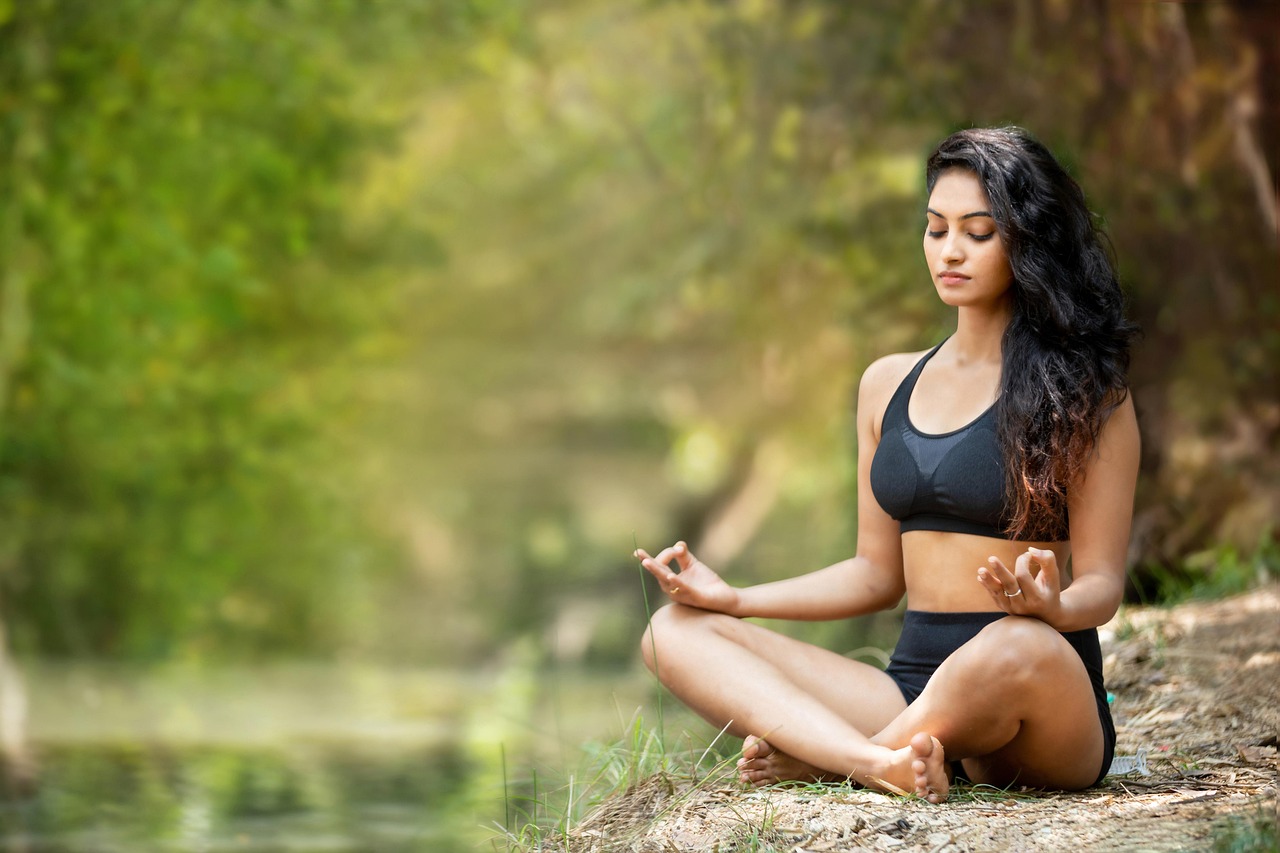
✨ Your Journey Begins With a Single Breath
The path of meditation doesn’t require perfection, expensive training, or dramatic lifestyle changes. It begins simply with a decision to pause, breathe, and turn attention inward—even for just a moment. That single conscious breath plants a seed that, with gentle consistency, grows into profound transformation.
Today’s stress doesn’t have to dictate tomorrow’s health. By incorporating meditation into daily life, you reclaim agency over your mental state, emotional responses, and overall well-being. The practice meets you exactly where you are, offering accessible tools whether you’re completely new or returning after a break.
As you explore meditation’s benefits for stress relief and daily peace, remember that every expert practitioner once sat down for their first uncertain session. Progress unfolds gradually through patient consistency rather than forced intensity. Your future self—calmer, clearer, and more resilient—is waiting on the other side of that first conscious breath.
The gift of meditation is always available, requiring only your willingness to pause and practice. In our increasingly chaotic world, this ancient practice offers a timeless refuge and powerful toolkit for navigating modern life with grace, clarity, and genuine well-being. Your meditation journey begins now—one breath, one moment, one day at a time.
