
Anúncios
Crochet is more than just a craft—it’s an art form that combines creativity, patience, and skill to produce beautiful handmade pieces.


Whether you’re a complete beginner or an experienced crocheter looking to refine your techniques, understanding the fundamentals and exploring advanced methods can transform your projects from simple to stunning. The journey of mastering crochet involves not only learning different stitches but also discovering the right tools, materials, and practices that elevate your work.
Anúncios
In this comprehensive guide, we’ll explore the best crochet techniques, essential tools, and proven strategies to help you improve your handmade crochet creations. From selecting the perfect yarn to mastering tension control, you’ll discover everything you need to take your crochet skills to the next level. ✨
🧶 Understanding the Foundation: Essential Crochet Stitches Every Crafter Should Master

The foundation of exceptional crochet work begins with mastering the basic stitches. These fundamental techniques form the building blocks for every pattern you’ll encounter, from simple dishcloths to intricate garments.
Anúncios
The chain stitch serves as the starting point for virtually every crochet project. This simple loop-through-loop technique creates the foundation row upon which all other stitches are built. Practicing your chain stitch until you achieve consistent tension and uniform loops is crucial for creating professional-looking pieces.
The single crochet stitch creates a tight, dense fabric perfect for amigurumi, bags, and items requiring structure. This stitch is incredibly versatile and forms the basis for many pattern variations. When executed properly, single crochet stitches should be uniform in height and width, creating an even fabric texture.
Double crochet stitches work up more quickly than single crochet and create a looser, more flexible fabric. This stitch is ideal for blankets, scarves, and garments that need drape. The key to beautiful double crochet lies in maintaining consistent yarn-overs and pulling through loops with even tension.
Half double crochet bridges the gap between single and double crochet, offering a medium-weight fabric that’s both sturdy and flexible. This often-overlooked stitch provides excellent texture and works beautifully for projects requiring moderate drape without excessive gaps.
🎨 Selecting Premium Materials: The Impact of Quality Yarn and Hooks
The quality of your materials directly influences the final appearance and feel of your crochet projects. Investing in good yarn and appropriate hooks can make a significant difference in both the creative process and the finished product.
Yarn weight determines how your project will look and feel. Lace-weight yarns create delicate, airy fabrics perfect for shawls and doilies, while bulky yarns work up quickly into cozy blankets and winter accessories. Understanding the numbered yarn weight system (from 0 for lace to 7 for jumbo) helps you select the right material for your intended project.
Fiber content affects everything from texture to care requirements. Natural fibers like cotton, wool, and bamboo each offer unique characteristics—cotton provides breathability and structure, wool offers warmth and elasticity, while bamboo creates silky-smooth fabric with natural antibacterial properties. Synthetic fibers like acrylic are budget-friendly, easy to care for, and come in endless color options.
Hook size and material significantly impact your crochet experience. Aluminum hooks glide smoothly through yarn and offer durability, while ergonomic handles reduce hand fatigue during extended crafting sessions. Wooden and bamboo hooks provide a warmer feel and slower yarn movement, which many crocheters prefer for better stitch control.
💡 Tension Mastery: The Secret to Consistent and Beautiful Stitches
Tension control is perhaps the most critical skill separating amateur work from professional-quality crochet. Consistent tension ensures uniform stitches, proper gauge, and finished pieces that match pattern specifications.
Holding your yarn correctly forms the foundation of good tension. Most crocheters weave yarn through their fingers to create natural resistance—typically over the index finger, under the middle finger, and over the ring finger. Experiment with different yarn-holding methods to find what feels comfortable while providing consistent resistance.
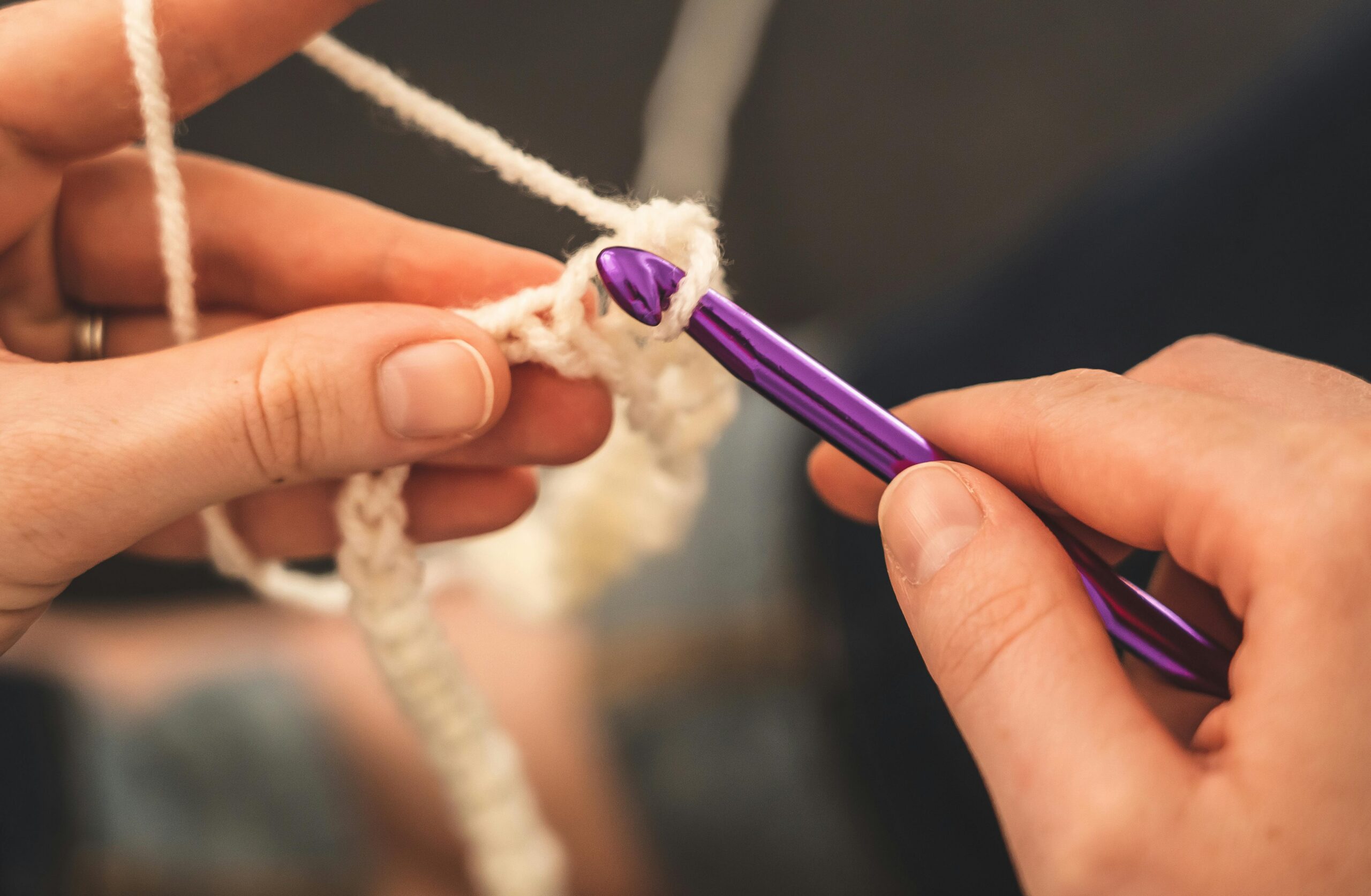
Hook grip affects both tension and hand comfort. The knife grip involves holding the hook like a knife, with your hand over the top, while the pencil grip positions the hook like a writing implement. Neither method is inherently superior—choose the grip that feels most natural and causes the least hand strain.
Regular gauge swatches are essential for achieving pattern accuracy. Before starting any significant project, crochet a 4×4 inch swatch using the specified hook and yarn. Measure your stitches and rows per inch to ensure they match the pattern requirements. If your gauge is too tight, increase your hook size; if too loose, decrease the size.
📐 Advanced Techniques That Elevate Your Crochet Craftsmanship
Once you’ve mastered the basics, exploring advanced techniques opens up a world of creative possibilities and allows you to tackle more complex and impressive projects.
Tapestry crochet involves working with multiple colors to create intricate geometric patterns and images. This technique requires carrying unused yarn along the work, which creates a thick, reversible fabric. Mastering color changes and yarn tension with multiple strands takes practice but produces stunning results.
Tunisian crochet combines elements of both crochet and knitting, using an elongated hook to work stitches in a forward and return pass system. This technique creates a unique fabric texture with minimal curling and excellent stitch definition. Tunisian crochet offers hundreds of stitch variations, from basic simple stitch to complex lace patterns.
Overlay crochet creates dimensional texture by working stitches around posts from previous rows. This technique produces fabric with incredible depth and visual interest, perfect for statement pieces and home décor items. The three-dimensional effect adds professional polish to blankets, pillows, and garments.
Broomstick lace creates beautiful, airy lace patterns using a large dowel or knitting needle alongside your crochet hook. The dramatic loops and spaces create vintage-inspired designs perfect for shawls, wraps, and decorative edgings.
🔧 Essential Tools and Accessories for Serious Crocheters
Beyond hooks and yarn, several tools and accessories can significantly improve your crochet experience and the quality of your finished projects.
Stitch markers help you keep track of your place in complex patterns, mark increases and decreases, and identify the beginning of rounds. Locking stitch markers work for any project, while split-ring markers slide easily along finished stitches for quick adjustments.
Yarn needles with blunt tips and large eyes are essential for weaving in ends, seaming pieces together, and adding embroidered details. Having several sizes on hand ensures you always have the right needle for your yarn weight.
A quality measuring tape helps ensure accurate gauge swatches and proper sizing for garments and fitted items. Look for tape measures marked in both inches and centimeters for maximum versatility with international patterns.
Blocking tools transform finished projects from handmade to professional quality. Blocking mats, rust-proof pins, and blocking wires help you shape and set your crochet pieces, opening up lace patterns, evening out stitches, and creating crisp edges.
🎯 Pattern Reading Skills: Decoding the Language of Crochet
Understanding how to read and interpret crochet patterns is crucial for expanding your project repertoire and tackling more complex designs with confidence.
Standard abbreviations form the shorthand language of crochet patterns. Familiarizing yourself with common abbreviations like ch (chain), sc (single crochet), dc (double crochet), and sl st (slip stitch) allows you to read patterns quickly and accurately. Keep an abbreviation reference chart handy until these become second nature.
Pattern structure typically includes several standard sections: materials list, gauge information, special stitches or techniques, and row-by-row instructions. Understanding how patterns are organized helps you prepare properly before beginning and anticipate what’s coming next as you work.
Parentheses and asterisks indicate repeated sections within a row or round. Instructions within parentheses are worked as a group, while asterisks mark the beginning and end of sections to repeat multiple times. Paying attention to these symbols prevents mistakes and ensures proper stitch counts.
Chart reading offers a visual representation of stitch placement, particularly useful for complex colorwork, lace patterns, and garment shaping. Each symbol represents a specific stitch, and learning to read charts can actually make following intricate patterns easier than written instructions.
✨ Color Theory and Yarn Combination Strategies
Understanding how colors work together can transform ordinary crochet projects into extraordinary works of art. Strategic color choices elevate your handmade pieces and showcase your creative vision.
The color wheel provides a foundation for harmonious color combinations. Complementary colors (opposites on the wheel) create vibrant, high-contrast effects, while analogous colors (neighbors on the wheel) produce subtle, sophisticated blends. Experimenting with different color relationships helps you develop your unique style.
Value contrast—the difference between light and dark shades—affects how patterns and textures appear in your work. High contrast makes stitch definition pop and patterns stand out clearly, while low contrast creates subtle, tonal effects that emphasize texture over distinct color changes.
Gradient and ombré effects have become increasingly popular in modern crochet. Whether using pre-dyed gradient yarns or strategically combining multiple colors, these flowing color transitions create stunning visual movement in shawls, blankets, and garments.
Neutral palettes offer timeless elegance and versatility. Combining various shades of white, cream, gray, and beige creates sophisticated pieces that complement any décor or wardrobe while allowing texture and stitch patterns to take center stage.
🌟 Troubleshooting Common Crochet Challenges
Even experienced crocheters encounter challenges. Knowing how to identify and fix common issues saves time, reduces frustration, and improves your finished projects.
Curling edges typically result from tension that’s too tight or working into the wrong part of the stitch. For flat pieces, ensure you’re working into both loops of each stitch unless the pattern specifies otherwise. Adding a border of slip stitches or single crochet can also help flatten stubborn edges.
Uneven edges and wavy sides usually indicate incorrect stitch counts. Carefully count your stitches at the end of each row and use stitch markers to identify where increases or decreases might be accidentally occurring. Consistent tension throughout the row also prevents waviness.
Yarn splitting happens when your hook pierces the yarn strands rather than sliding through the stitch loop. Using hooks with smoother points, adjusting your hook angle, and working with tighter twist yarns can minimize splitting issues.
Twisted stitches create a distorted fabric texture. This often occurs when you’re not inserting your hook completely through the stitch or when pulling loops through at awkward angles. Practice inserting your hook fully under both stitch loops and pulling yarn through in a consistent direction.
🏆 Project Planning and Organization for Success
Strategic planning before starting a project increases your chances of successful completion and reduces the likelihood of costly mistakes or abandoned works-in-progress.
Creating a project notebook keeps all your information organized in one place. Include your pattern (marked with any modifications), yarn labels with dye lot numbers, gauge swatch measurements, notes about hook size adjustments, and progress photos. This documentation proves invaluable if you need to pause and resume later or want to recreate successful projects.
Calculating yarn requirements accurately prevents the frustration of running short mid-project or wasting money on excess yarn. Always purchase extra yarn in the same dye lot, as colors can vary significantly between lots. A general rule is to buy an additional 10-20% beyond the pattern’s stated requirement.
Breaking large projects into manageable sections maintains motivation and momentum. Setting small milestones—completing ten rows, finishing one pattern repeat, or crocheting for 30 minutes daily—creates a sense of accomplishment and makes overwhelming projects feel achievable.
💪 Building Speed Without Sacrificing Quality
Increasing your crochet speed allows you to complete more projects while maintaining the high quality that makes handmade items special. Developing efficiency comes naturally with practice and intention.
Minimizing unnecessary movements streamlines your workflow. Keep your hook and yarn positioned for the next stitch without excessive hand repositioning. Your dominant hand should flow smoothly from one stitch to the next while your yarn hand maintains consistent tension without constant readjustment.
Choosing the right projects for speed development helps build skills progressively. Simple patterns with repetitive stitches allow you to develop muscle memory and automatic movements that naturally increase speed. As these movements become second nature, you can tackle more complex patterns without slowing down.
Regular practice sessions train your hands and brain to work together efficiently. Even fifteen minutes of focused daily crochet builds the muscle memory and familiarity that lead to increased speed. Consistency matters more than marathon crafting sessions for developing smooth, fast technique.
🎓 Continuous Learning and Skill Development
The crochet world constantly evolves with new techniques, patterns, and creative approaches. Embracing lifelong learning keeps your skills fresh and your creativity flowing.
Online resources offer unprecedented access to tutorials, patterns, and community support. Video tutorials allow you to watch techniques demonstrated in real-time, while written blogs provide detailed explanations and troubleshooting tips. Social media platforms connect you with crocheters worldwide who share inspiration, advice, and encouragement.
Joining crochet communities provides motivation, accountability, and valuable feedback. Local crochet groups offer in-person connection and the opportunity to learn from experienced crafters, while online communities provide 24/7 access to support, pattern recommendations, and troubleshooting help.
Challenging yourself with new techniques and unfamiliar patterns prevents creative stagnation. Set goals to learn one new stitch or technique each month, try patterns outside your comfort zone, or recreate inspiring pieces you admire. Each challenge successfully completed expands your capabilities and confidence.
Teaching others reinforces your own understanding and reveals areas where your knowledge might have gaps. Explaining techniques to beginners forces you to break down movements you perform automatically, deepening your comprehension and often improving your own execution.
🌈 Finishing Techniques That Create Professional Results
The finishing touches you apply to completed crochet pieces significantly impact the final appearance and longevity of your handmade items. Attention to these details separates amateur work from professional quality.
Weaving in ends securely and invisibly requires patience but dramatically improves finished appearance. Use a yarn needle to weave ends through several stitches on the wrong side of your work, changing direction at least once to prevent ends from working loose. Trim close to the fabric only after securing thoroughly.
Blocking transforms completed pieces by setting stitches, opening up lace patterns, and creating crisp, even edges. Wet blocking involves soaking your finished item, gently squeezing out excess water, and pinning it to shape on blocking mats until completely dry. Steam blocking works well for acrylic yarns that might lose shape with wet blocking.
Seaming techniques join multiple pieces into finished garments or projects. The mattress stitch creates an invisible seam for pieces worked in rows, while slip stitch and single crochet seams add decorative detail while joining pieces. Choose seaming methods appropriate for your project’s style and structure.
Adding borders and edgings provides professional polish and helps pieces maintain their shape. A simple single crochet border stabilizes edges, while more decorative edgings like picots, shells, or scallops add visual interest. Blocking your borders ensures they lie flat and enhance rather than distort your work.
🛡️ Caring for Your Handmade Crochet Treasures
Proper care ensures your crochet creations remain beautiful and functional for years. Different fibers require specific care approaches to maintain their best appearance and structure.
Washing instructions depend primarily on fiber content. Cotton and acrylic can typically handle machine washing on gentle cycles, though hand washing extends their lifespan. Wool and other animal fibers require careful hand washing with cool water and specialized wool wash to prevent felting and shrinkage.
Drying methods affect both shape retention and fiber integrity. Never wring out crochet items, as this distorts stitches and can damage fibers. Instead, gently squeeze out excess water, roll in a clean towel to absorb more moisture, then lay flat to dry in the proper shape. Avoid hanging wet items, which can stretch under their own weight.
Storage practices protect your finished pieces between uses. Clean items thoroughly before storing to prevent attracting moths or other pests. Fold rather than hang heavy items to prevent stretching, and store in breathable containers that protect from dust while allowing air circulation.
Regular maintenance keeps crochet items looking their best. Address pilling on acrylic items with a fabric shaver or sweater stone. Check for loose ends periodically and secure them before they work completely free. Refresh blocked items occasionally to maintain their shape and crispness.
🎁 Transforming Your Hobby into Quality Handmade Gifts
Handmade crochet gifts carry special meaning and demonstrate the time, thought, and skill you’ve invested in creating something unique for someone special. Strategic planning ensures your gifts are well-received and treasured.
Consider the recipient’s lifestyle and preferences when selecting projects. A busy parent might appreciate practical items like washable dishcloths or sturdy bags, while a fashion-conscious friend would love a trendy shawl or statement accessory. Matching your creation to their needs shows thoughtfulness beyond the handmade aspect.
Time management for gift projects prevents last-minute stress. Start gift projects well in advance of occasions, building in extra time for unexpected challenges or life interruptions. Working on multiple smaller gifts simultaneously provides variety and ensures you always have appropriate projects for different skill development goals.
Presentation enhances the perceived value of handmade gifts. Include care instructions with the specific fiber content and washing recommendations. Consider adding a small tag with the pattern name, yarn type, and a personal note about why you chose to create this particular item for them.
Setting boundaries protects your enjoyment of crochet. While creating for others can be rewarding, unlimited requests can transform your relaxing hobby into stressful obligation. It’s perfectly acceptable to decline requests, charge for your time and materials, or limit the number of gift projects you undertake. 🎁
Mastering crochet is a journey rather than a destination. Each project completed, technique learned, and challenge overcome builds your skills and confidence. Whether you crochet for relaxation, creative expression, practical purposes, or all of the above, continuous improvement keeps the craft fresh and exciting. Embrace the learning process, celebrate your progress, and enjoy the meditative rhythm of hook and yarn creating something beautiful from simple loops and knots.
