
Anúncios
Radio continues to captivate millions worldwide, blending nostalgia with modern technology through AM and FM frequencies that deliver news, music, and entertainment directly to our lives.


The radio medium has transformed dramatically since its inception, evolving from bulky wooden cabinets to sleek portable devices and sophisticated smartphone applications. Despite the digital revolution, traditional AM and FM broadcasting remains incredibly relevant, offering free access to diverse content without requiring internet connectivity or data consumption.
Anúncios
Whether you’re a vintage radio collector, a daily commuter seeking traffic updates, or someone who appreciates the spontaneity of live broadcasting, understanding the landscape of AM and FM radio opens doors to enriching audio experiences. Let’s explore the finest radio options available today and uncover intriguing facts about this timeless communication medium. 📻
Understanding AM and FM Radio Differences

Before diving into specific radio recommendations, it’s essential to understand what distinguishes AM (Amplitude Modulation) from FM (Frequency Modulation) broadcasting. These two technologies have coexisted for decades, each serving distinct purposes and audiences.
Anúncios
AM radio operates on lower frequencies, typically between 540 and 1600 kHz, allowing signals to travel considerable distances, especially at night when atmospheric conditions improve. This characteristic makes AM ideal for talk radio, news broadcasts, and sports commentary where audio fidelity takes a backseat to range and reliability.
FM radio broadcasts on higher frequencies ranging from 88 to 108 MHz, delivering superior sound quality with minimal interference. Music stations predominantly utilize FM because it reproduces higher fidelity audio with richer bass and clearer treble. However, FM signals don’t travel as far as AM waves and struggle to penetrate buildings and obstacles effectively.
Why Both Formats Still Matter Today
In an era dominated by streaming services and podcasts, one might wonder why AM and FM radio continue to thrive. The answer lies in their accessibility, immediacy, and community connection. Radio requires no subscriptions, no login credentials, and no buffering delays—just turn it on and listen. 🎶
Emergency broadcasting systems rely heavily on AM frequencies because of their extensive reach during natural disasters when internet infrastructure might fail. Local FM stations provide hyper-regional content, weather updates, and traffic reports that streaming platforms cannot replicate with the same immediacy and relevance.
Top Portable Radio Devices for AM and FM Reception
Selecting the right radio device depends on your priorities: portability, sound quality, battery life, or additional features like Bluetooth connectivity and digital displays. Here are some exceptional options across various categories.
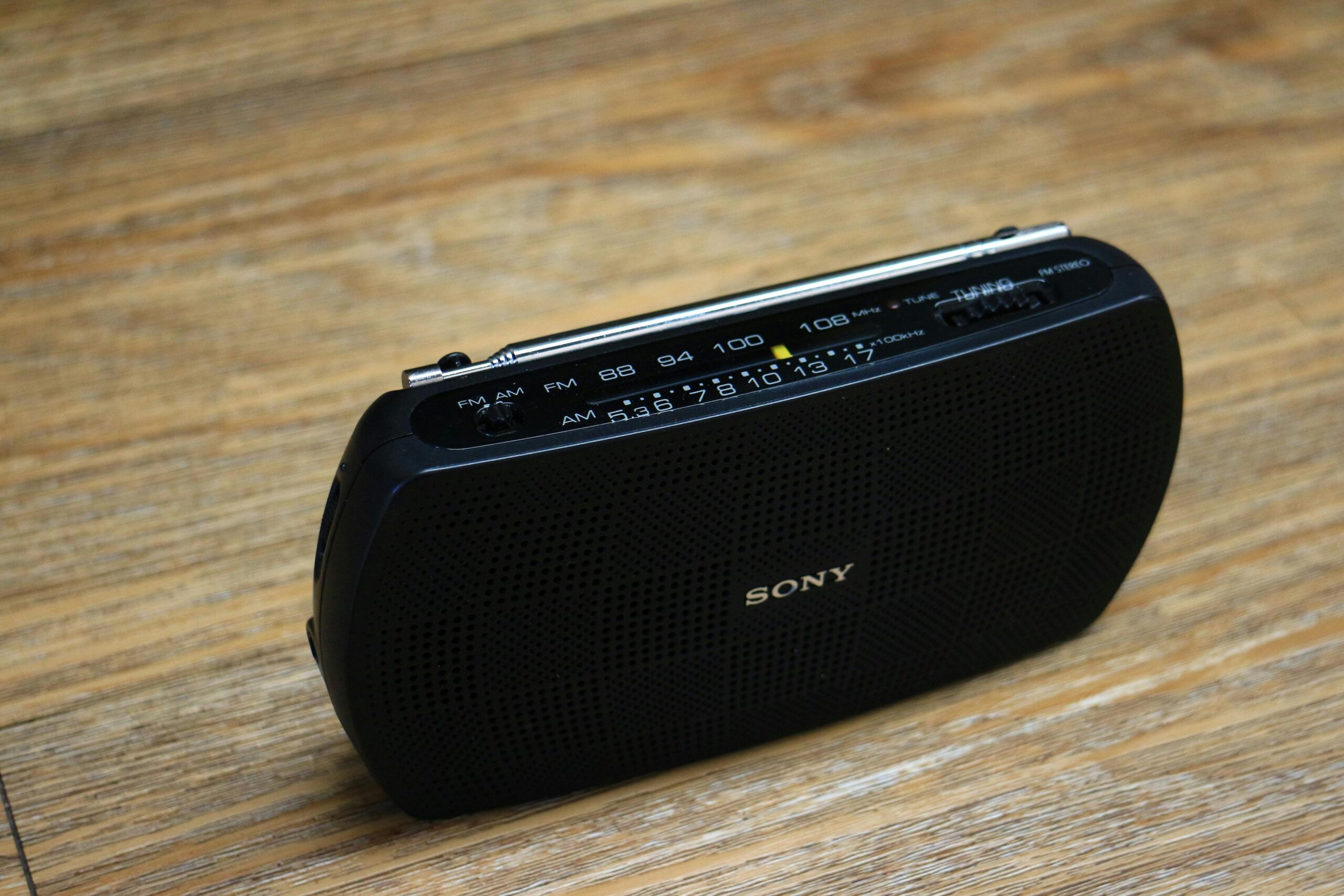
Sony ICF-P26 Portable Radio
Sony’s ICF-P26 represents an affordable, reliable option for listeners prioritizing simplicity and durability. This compact device features both AM and FM bands with a built-in speaker and headphone jack. Its lightweight design makes it perfect for outdoor activities, while the impressive battery life ensures extended listening sessions without frequent replacements.
The analog tuning dial provides a tactile, nostalgic experience that digital interfaces can’t replicate. Despite its modest price point, the Sony ICF-P26 delivers surprisingly clear reception in most environments, making it a favorite among camping enthusiasts and emergency preparedness advocates.
Sangean PR-D18 Digital Radio
For those seeking enhanced features without sacrificing portability, the Sangean PR-D18 offers digital tuning precision with 19 station presets. This device combines AM, FM, and weather band reception in a rugged, splash-resistant housing suitable for workshop environments or outdoor adventures.
The backlit LCD display shows station information clearly, even in low-light conditions. Its powerful internal speaker projects audio effectively across medium-sized spaces, while the auxiliary input allows connection to external devices. Battery efficiency stands out as a key advantage, with the PR-D18 operating for extended periods on standard AA batteries. 🔋
Retekess V115 Pocket Radio
The Retekess V115 redefines portability with its credit-card-sized form factor that fits comfortably in any pocket. Don’t let the diminutive size fool you—this device packs AM, FM, and shortwave capabilities alongside MP3 playback from microSD cards and USB drives.
Its rechargeable battery eliminates the need for constant battery replacements, while the included earbuds provide private listening without disturbing others. The V115 particularly appeals to international travelers and shortwave enthusiasts who appreciate global broadcasting access in an ultra-compact package.
Home and Desktop Radio Excellence
While portable radios serve specific purposes, stationary models designed for home or office use often deliver superior sound quality and additional functionality that enhance the listening experience.
Tivoli Audio Model One
Regarded as an icon of modern radio design, the Tivoli Audio Model One combines vintage aesthetics with contemporary audio engineering. Its handcrafted wooden cabinet houses precision-tuned components that extract exceptional sound quality from both AM and FM broadcasts.
The oversized analog tuning dial provides smooth, precise station selection, while the single high-performance speaker delivers rich, room-filling audio that rivals systems costing significantly more. Audiophiles appreciate the Model One’s ability to reveal nuances in broadcast quality often masked by lesser radios. This device transforms radio listening from background noise into an intentional, pleasurable activity. 🎵
Sangean WR-11SE Table Top Radio
The Sangean WR-11SE marries retro styling with modern convenience, featuring genuine walnut wood construction and analog dial tuning. Its five-watt amplifier powers a full-range speaker capable of reproducing broadcast audio with clarity and warmth.
Additional features include an auxiliary input for connecting external audio sources and a headphone jack for private listening. The WR-11SE serves equally well on a kitchen counter, bedside table, or office desk, providing reliable reception with timeless visual appeal.
Digital Radio Apps: Modern Access to Traditional Broadcasting
Smartphone applications have revolutionized radio access, allowing listeners to tune into stations worldwide without geographic limitations. These apps aggregate thousands of AM and FM stations, offering unprecedented variety and convenience.
Applications like Simple Radio provide intuitive interfaces for discovering local stations, exploring international broadcasts, and saving favorite channels for quick access. The integration of smartphone technology enables features impossible with traditional radios: recording broadcasts, setting sleep timers, and receiving station metadata displaying song titles and artist information.
While streaming radio via apps requires internet connectivity, the flexibility to access any station globally transforms the listening experience. Expatriates can maintain connections to hometown stations, language learners can immerse themselves in foreign broadcasts, and music enthusiasts can explore regional genres unavailable locally. 🌍
Fascinating Radio Broadcasting Curiosities
Radio’s history brims with remarkable stories, technological innovations, and cultural impacts that shaped modern communication. These curiosities reveal the medium’s profound influence on society.
The First Radio Broadcast Announcement
Most historians credit KDKA in Pittsburgh, Pennsylvania, with transmitting the first commercial radio broadcast on November 2, 1920, announcing the results of the presidential election between Warren G. Harding and James M. Cox. This watershed moment demonstrated radio’s potential as a mass communication tool, sparking rapid expansion of the broadcasting industry.
Prior to this landmark broadcast, radio technology existed primarily for maritime communication and military purposes. KDKA’s election night transmission proved that wireless technology could serve public information dissemination, entertainment, and advertising—foundations of modern media.
Why AM Radio Travels Further at Night
Many listeners notice that AM stations they can barely receive during daylight become crystal clear after sunset. This phenomenon results from changes in the ionosphere, an atmospheric layer approximately 50-400 miles above Earth’s surface.
During daytime, solar radiation increases ionospheric density, causing AM signals to be absorbed rather than reflected. At night, the ionosphere stabilizes and reflects AM radio waves back to Earth, allowing them to travel hundreds or even thousands of miles beyond their normal daytime range. This characteristic enables DXers (distance listening enthusiasts) to receive stations from distant states or countries during nighttime hours. 🌙
FM Radio’s Inventor Faced Tragic Circumstances
Edwin Howard Armstrong invented FM radio technology in the 1930s, believing it would revolutionize broadcasting by eliminating static and improving sound quality. Despite FM’s technical superiority, Armstrong faced fierce opposition from AM broadcasting interests and patent disputes that drained his finances and spirit.
Tragically, Armstrong took his own life in 1954, frustrated by legal battles and slow FM adoption. Ironically, FM radio exploded in popularity during the 1960s and 1970s, becoming the dominant format for music broadcasting—the very outcome Armstrong had envisioned but didn’t live to witness.
The Numbers Station Mystery
Shortwave radio listeners occasionally encounter bizarre broadcasts known as “numbers stations”—transmissions featuring robotic voices reading sequences of numbers, letters, or phonetic alphabets without explanation. These stations have operated for decades across various frequencies, typically transmitting at scheduled times.
Intelligence agencies are believed to operate numbers stations for communicating with field operatives using one-time pad encryption, a theoretically unbreakable code system. The mysterious broadcasts continue today, captivating radio enthusiasts and conspiracy theorists alike despite the digital communication age. 🔐
Emergency Preparedness and Radio Reliability
Natural disasters and emergencies highlight radio’s critical role when modern communication infrastructure fails. Cell towers lose power, internet services become unavailable, but battery-powered radios continue delivering vital information about evacuation routes, shelter locations, and weather conditions.
Emergency management agencies recommend every household maintain at least one battery-powered or hand-crank radio capable of receiving NOAA Weather Radio broadcasts. These specialized transmissions provide continuous weather information and emergency alerts using a nationwide network of transmitters.
Hand-crank and solar-powered emergency radios eliminate dependency on battery supplies, ensuring information access even during prolonged power outages. Models combining multiple charging methods—solar panels, hand cranks, USB charging, and replaceable batteries—provide maximum reliability when circumstances become dire.
The Cultural Impact of Radio Broadcasting
Radio transformed society by creating shared cultural experiences before television emerged. Families gathered around radios for evening entertainment, listening to serialized dramas, comedy programs, and musical performances that united communities through common experiences.
President Franklin D. Roosevelt’s “Fireside Chats” demonstrated radio’s power for political communication, allowing leaders to speak directly to citizens in their homes. This intimate connection between broadcaster and listener created a sense of personal relationship impossible through print media alone.
Music genres evolved alongside radio technology. Rock and roll exploded in popularity partly because radio DJs championed the new sound, while country music found national audiences through powerful AM stations like WSM Nashville, home of the Grand Ole Opry. Radio didn’t just reflect culture—it actively shaped musical tastes and social movements. 🎸
Technical Innovations Enhancing Radio Quality
Modern radio technology incorporates digital signal processing, improving reception clarity and reducing interference. HD Radio technology broadcasts digital signals alongside traditional analog transmissions, providing CD-quality audio and additional subchannels on single frequencies.
RDS (Radio Data System) technology enables FM stations to transmit metadata including station identification, song titles, artist names, and traffic alerts directly to compatible receivers. This information displays on radio screens, enhancing the listening experience with contextual data previously unavailable through traditional broadcasting.
Noise cancellation algorithms in contemporary radios intelligently filter interference, extracting clearer audio from weak signals. These advances maintain radio’s relevance despite competition from streaming services, proving that traditional broadcasting continues evolving alongside digital alternatives.
Collecting Vintage Radios as Hobby and Investment
Antique radio collecting attracts enthusiasts fascinated by the craftsmanship, aesthetics, and historical significance of vintage receivers. Radios from the 1920s through 1950s often feature beautiful wood cabinets, intricate dial mechanisms, and distinctive design elements reflecting their manufacturing era.
Certain models have become highly collectible, commanding premium prices among serious collectors. Rare brands like Zenith Trans-Oceanic portables, Catalin plastic tabletop radios, and cathedral-style consoles represent both functional devices and investment assets appreciating over time.
Restoration enthusiasts enjoy returning non-functional vintage radios to working condition, combining electrical engineering knowledge with appreciation for historical technology. Online communities share restoration techniques, parts sourcing strategies, and historical information, fostering connections among collectors worldwide. ⚙️
Radio’s Future in a Streaming World
Skeptics periodically predict radio’s demise, yet the medium persistently adapts and survives. Hybrid approaches combining traditional broadcasting with internet streaming expand reach while maintaining radio’s spontaneous, curated nature that distinguishes it from on-demand services.
Local radio stations provide community connections that algorithm-driven streaming platforms cannot replicate. Regional news, traffic reports, weather updates, and locally-focused programming create relevance that transcends national or international content aggregation.
Automotive integration ensures radio’s continued presence in daily life. Despite connected car technology enabling streaming services, traditional AM/FM radio remains standard in vehicles worldwide, providing reliable entertainment and information without consuming data plans or requiring accounts and passwords.
Maximizing Your Radio Listening Experience
Optimal radio enjoyment requires attention to antenna positioning, interference reduction, and proper device selection for your specific needs. External antennas dramatically improve reception for both AM and FM frequencies, especially in areas with weak signals or geographic obstructions.
AM reception particularly benefits from repositioning radios and rotating directional antennas toward transmitter locations. FM signals respond well to elevated antenna placement and extension of telescoping antennas to their full length. Simple adjustments often transform marginal reception into clear, enjoyable listening.
Exploring alternative listening times helps discover distant stations. Early morning and late evening hours frequently provide better AM reception, while FM signals remain consistent throughout the day. Patience and experimentation reward curious listeners with unexpected discoveries and expanded station options. 📡
Building Community Through Radio Participation
Radio transcends passive listening when audiences actively engage through call-in programs, contest participation, and social media interaction with stations. This bidirectional communication creates community bonds among listeners sharing common interests and geographic connections.
Local radio stations often champion community causes, organize charity events, and provide platforms for local businesses and organizations. Supporting hometown stations strengthens regional media ecosystems that preserve local news reporting and culturally relevant programming against homogenized national content.
Amateur radio (ham radio) takes participation further, allowing licensed operators to transmit their own broadcasts, communicate globally, and provide emergency communications when disaster strikes. This hobby combines technical learning with public service, attracting thousands of enthusiasts who maintain skills complementing commercial broadcasting infrastructure.
Radio’s enduring appeal stems from its simplicity, accessibility, and human connection. Whether enjoying music through a vintage tube radio, catching breaking news on a smartphone app, or exploring distant stations after dark, radio continues enriching lives with information and entertainment. The medium that once seemed threatened by television, internet, and streaming services instead adapted, incorporating new technologies while maintaining the spontaneous, communal character that makes radio uniquely valuable. As technology evolves, radio evolves alongside it—never disappearing, always relevant, perpetually connecting people through the invisible magic of electromagnetic waves traveling through the air. 📻✨
