
Anúncios
In today’s fast-paced world, maintenance skills have become a forgotten art. Yet, mastering them can transform your efficiency and save significant resources.
The modern era has brought us incredible technological advances, but somewhere along the way, we’ve lost touch with essential maintenance capabilities. Whether it’s fixing a leaky faucet, tuning up machinery, or maintaining software systems, these skills have become increasingly undervalued. However, the tide is turning, and savvy individuals and organizations are rediscovering the power of proper maintenance protocols.
Anúncios
Understanding and implementing effective maintenance strategies doesn’t just prevent breakdowns—it creates a culture of efficiency, sustainability, and self-reliance. This comprehensive guide will help you revive these critical skills and boost your operational efficiency to unprecedented levels.
🔧 Why Maintenance Skills Have Been Forgotten
The decline in maintenance competency isn’t accidental. Over the past few decades, several cultural and economic factors have contributed to this phenomenon. Our consumer-driven society has promoted a “replace rather than repair” mentality, where disposable products dominate the market.
Anúncios
Manufacturing practices have evolved to create products that are intentionally difficult to repair, with proprietary components and sealed units that discourage user intervention. Additionally, the specialization of labor has meant that fewer people develop broad skill sets that include basic maintenance knowledge.
Educational systems have also shifted focus away from hands-on technical training toward academic pursuits, leaving many people without fundamental practical skills. The result is a generation that feels helpless when faced with basic maintenance challenges that previous generations would have handled with ease.
The Hidden Costs of Neglecting Maintenance
Ignoring maintenance doesn’t just lead to inconvenience—it creates significant financial and operational burdens. Equipment that isn’t properly maintained deteriorates faster, requiring premature replacement. This accelerated depreciation impacts both personal finances and organizational bottom lines.
Emergency repairs typically cost three to five times more than preventive maintenance. When systems fail unexpectedly, you’re forced to pay premium rates for urgent service calls, often during inconvenient hours. Production downtime in industrial settings can cost thousands of dollars per hour, making reactive maintenance an expensive proposition.
Beyond financial implications, poor maintenance affects safety, environmental sustainability, and quality of life. Neglected equipment poses higher accident risks, consumes more energy, and produces inferior results. The cumulative impact of these factors makes maintenance literacy an essential skill for modern living.
🎯 Building Your Maintenance Foundation
Reviving your maintenance skills starts with establishing a solid foundation. Begin by assessing your current capabilities honestly. Identify which systems, equipment, or tools you interact with regularly and determine which maintenance tasks you’re comfortable performing versus those requiring professional assistance.
Create an inventory of everything requiring maintenance in your environment—from household appliances to vehicles, from computer systems to garden equipment. Understanding the scope of your maintenance needs helps prioritize learning and action.
Essential Tools for Effective Maintenance
No maintenance program succeeds without proper tools. While specific needs vary depending on your situation, certain fundamental tools prove universally valuable:
- Quality screwdriver set with multiple heads and sizes
- Adjustable wrenches and socket sets for various applications
- Multimeter for electrical diagnostics and testing
- Inspection flashlight with high lumens for visibility
- Lubricants, cleaners, and protective coatings appropriate to your equipment
- Documentation tools—camera, notebook, or digital apps for recording observations
- Safety equipment including gloves, eye protection, and hearing protection
Investing in quality tools pays dividends over time. Cheap tools break, strip fasteners, and create frustration. Mid-range to premium tools from reputable manufacturers provide reliability and longevity that justify their higher initial cost.
Developing a Preventive Maintenance Mindset
The most powerful maintenance skill isn’t technical—it’s psychological. Adopting a preventive maintenance mindset transforms how you interact with everything around you. Instead of waiting for failure, you anticipate needs and address them proactively.
This mindset shift involves regular observation, pattern recognition, and scheduled interventions. You learn to notice subtle changes that indicate emerging problems—unusual sounds, slight vibrations, minor leaks, or performance degradations. These early warning signs, when addressed promptly, prevent major failures.
Preventive maintenance operates on predictable schedules rather than reactive crises. By performing routine tasks at specified intervals, you maintain optimal performance and extend equipment lifespan significantly. This approach reduces stress, saves money, and increases reliability across all systems.
Creating Effective Maintenance Schedules
Successful maintenance requires organization. Develop schedules based on manufacturer recommendations, usage patterns, and environmental factors. Daily, weekly, monthly, quarterly, and annual maintenance tasks each serve specific purposes.
Daily maintenance typically involves quick inspections and basic cleanliness. Weekly tasks might include lubrication and minor adjustments. Monthly maintenance often addresses filters, fluids, and calibrations. Quarterly and annual maintenance involves more comprehensive inspections and component replacements.
Digital tools can streamline schedule management. Maintenance tracking applications send reminders, record completed tasks, store documentation, and track expenses. These systems prevent overlooked maintenance and provide valuable historical data for optimization.
🔍 Mastering Diagnostic Skills
Effective maintenance begins with accurate diagnosis. Before you can fix problems, you must understand them. Diagnostic skills separate competent maintenance practitioners from amateurs, enabling targeted interventions rather than wasteful trial-and-error approaches.
Systematic troubleshooting follows logical progressions from simple to complex. Start by verifying obvious issues—is the device powered? Are connections secure? Is the problem reproducible? These basic checks resolve surprising numbers of apparent failures without requiring advanced interventions.
When simple solutions don’t apply, employ methodical isolation techniques. Change one variable at a time while observing results. Document each step to track your diagnostic process. This disciplined approach prevents confusion and ensures you can reverse unsuccessful attempts.
Understanding Common Failure Patterns
Experience reveals that equipment failures follow predictable patterns. Mechanical systems typically fail due to wear, lubrication issues, or alignment problems. Electrical systems experience failures from loose connections, component degradation, or voltage irregularities. Understanding these patterns accelerates diagnosis.
Many failures result from environmental factors—temperature extremes, humidity, contamination, or vibration. Recognizing environmental contributions to degradation helps you implement protective measures that extend operational life and prevent recurrence.
Specific Maintenance Skills Worth Mastering
While comprehensive maintenance knowledge takes years to develop, certain high-value skills provide disproportionate benefits. These capabilities address common needs and build confidence for tackling more complex challenges.
Basic Plumbing Maintenance 💧
Plumbing issues cause immense frustration and expense, yet many common problems require minimal skill to address. Learning to replace washers, clear minor clogs, adjust water pressure, and fix running toilets empowers you to handle routine issues without expensive service calls.
Understanding your plumbing system’s layout prevents panic during emergencies. Know where shutoff valves are located for individual fixtures and the main water supply. This knowledge limits damage when problems occur and facilitates efficient repairs.
Electrical System Basics
Electrical work demands respect and caution, but basic electrical maintenance falls within most people’s capabilities. Safely resetting circuit breakers, replacing outlets and switches, testing circuits with a multimeter, and understanding wire gauges and ratings enables routine maintenance.
Always prioritize safety with electrical work. Turn off power at the breaker, test circuits to confirm they’re de-energized, and never exceed your knowledge level. Electrical fires and shocks pose serious dangers, making professional assistance appropriate for complex interventions.
HVAC System Care
Heating, ventilation, and air conditioning systems represent major investments requiring regular attention. Simple maintenance like filter changes, coil cleaning, and ensuring proper airflow dramatically impacts efficiency and longevity.
Seasonal maintenance prepares systems for peak demand periods. Inspect and clean before summer cooling seasons and winter heating periods. These preventive measures reduce energy consumption, improve air quality, and prevent mid-season failures when you need the systems most.
📱 Leveraging Technology for Maintenance Excellence
Modern technology offers powerful maintenance support without requiring traditional hands-on skills. Smart sensors monitor equipment conditions continuously, detecting anomalies that humans might miss. Predictive analytics forecast failures before they occur, enabling truly preventive interventions.
Augmented reality applications provide real-time guidance during maintenance procedures. Point your device at equipment, and overlay instructions appear, walking you through complex procedures step-by-step. This technology democratizes expertise, making sophisticated maintenance accessible to novices.
Online communities and video platforms provide unlimited learning resources. Whenever you encounter unfamiliar maintenance challenges, detailed tutorials are seconds away. These resources transform isolated individuals into members of global knowledge networks.
Building Maintenance Skills Through Practice
Knowledge without application remains theoretical. Developing genuine maintenance competency requires hands-on practice. Start with low-stakes projects where mistakes create minimal consequences. Disassemble non-critical items to understand their construction. Perform routine maintenance on forgiving equipment.
Document your learning journey through photos, videos, and written notes. This documentation serves multiple purposes—it reinforces learning through active engagement, creates reference material for future tasks, and builds confidence as you see your capabilities expanding.
Seek mentorship from experienced practitioners. Many skilled technicians enjoy sharing knowledge with genuinely interested learners. Their insights, tips, and shortcuts accelerate your learning beyond what solitary study can achieve.
⚙️ Maximizing Efficiency Through Smart Maintenance
Efficient maintenance balances thoroughness with practicality. Perfectionism wastes time and resources on diminishing returns. Learn to distinguish between critical maintenance that prevents failures and optional refinements that provide minimal benefit.
Batch similar tasks to maximize efficiency. When you’re already working on one piece of equipment, perform all related maintenance simultaneously rather than making multiple visits. This approach reduces setup time and ensures you have appropriate tools and materials readily available.
Maintain adequate spare parts inventory for commonly replaced components. Having filters, belts, fasteners, and consumables on hand prevents delays and multiple purchasing trips. However, avoid over-stocking items that deteriorate or become obsolete before use.
Measuring Maintenance Success
What gets measured gets managed. Track key performance indicators to evaluate your maintenance program’s effectiveness. Relevant metrics include:
- Mean time between failures (MTBF) for equipment reliability assessment
- Percentage of preventive versus reactive maintenance activities
- Total maintenance costs as percentage of asset value
- Downtime hours attributed to maintenance issues
- Energy consumption trends indicating efficiency changes
These metrics reveal patterns, justify investments, and guide continuous improvement efforts. Regular review identifies which practices deliver results and which require adjustment.
Overcoming Common Maintenance Obstacles
Even with skills and motivation, maintenance faces obstacles. Time constraints represent the most common challenge. Modern life’s demands leave little margin for additional responsibilities. However, maintenance neglect creates larger time burdens later. Emergency repairs and premature replacements consume far more time than preventive maintenance.
Prioritization solves this dilemma. Focus on high-impact maintenance that prevents the most costly or dangerous failures. Accept that some lower-priority items may receive less attention during busy periods. This practical approach maintains critical systems while acknowledging real-world constraints.
Knowledge gaps intimidate many potential maintenance practitioners. Unfamiliar equipment and specialized terminology create barriers. Remember that everyone starts as a beginner. Break complex tasks into manageable steps. Research thoroughly before attempting new procedures. Growth happens incrementally through persistent effort.
🌱 The Broader Benefits of Maintenance Mastery
Developing maintenance skills delivers benefits beyond immediate practical applications. These capabilities build self-confidence and self-reliance. Successfully diagnosing and fixing problems creates profound satisfaction that enriches life beyond the specific accomplishment.
Maintenance skills foster sustainability by extending product lifecycles and reducing waste. This environmental stewardship aligns with growing awareness of consumption’s ecological impact. Repair culture represents conscious resistance against disposability.
Financially, maintenance literacy generates substantial savings over time. Money not spent on service calls, premature replacements, and emergency repairs accumulates significantly. These savings fund other priorities or provide financial security.
Creating Your Personal Maintenance Action Plan
Transform intention into reality through structured planning. Begin by listing all systems and equipment requiring maintenance attention. Prioritize based on criticality, current condition, and failure consequences. This prioritization guides where to focus initial efforts.
Set specific, achievable goals for skill development. Rather than vague ambitions like “learn more about maintenance,” commit to concrete objectives: “Learn to change HVAC filters properly by next month” or “Complete basic plumbing repair course by quarter end.”
Schedule maintenance activities in your calendar like any important appointment. Treat these commitments seriously rather than handling them “when you get around to it.” Consistent scheduling establishes habits that make maintenance automatic rather than requiring constant willpower.
🎓 Continuing Your Maintenance Education
Maintenance excellence is a journey, not a destination. Technology evolves, equipment changes, and new techniques emerge constantly. Commit to ongoing learning that keeps your skills current and expanding.
Professional certifications validate skills and provide structured learning paths. While not necessary for personal maintenance, certifications demonstrate competency if you pursue maintenance professionally or want formal recognition of your abilities.
Stay current through industry publications, online courses, workshops, and conferences. Many manufacturers offer training on their specific equipment. These resources deepen expertise and expose you to best practices developed across industries.
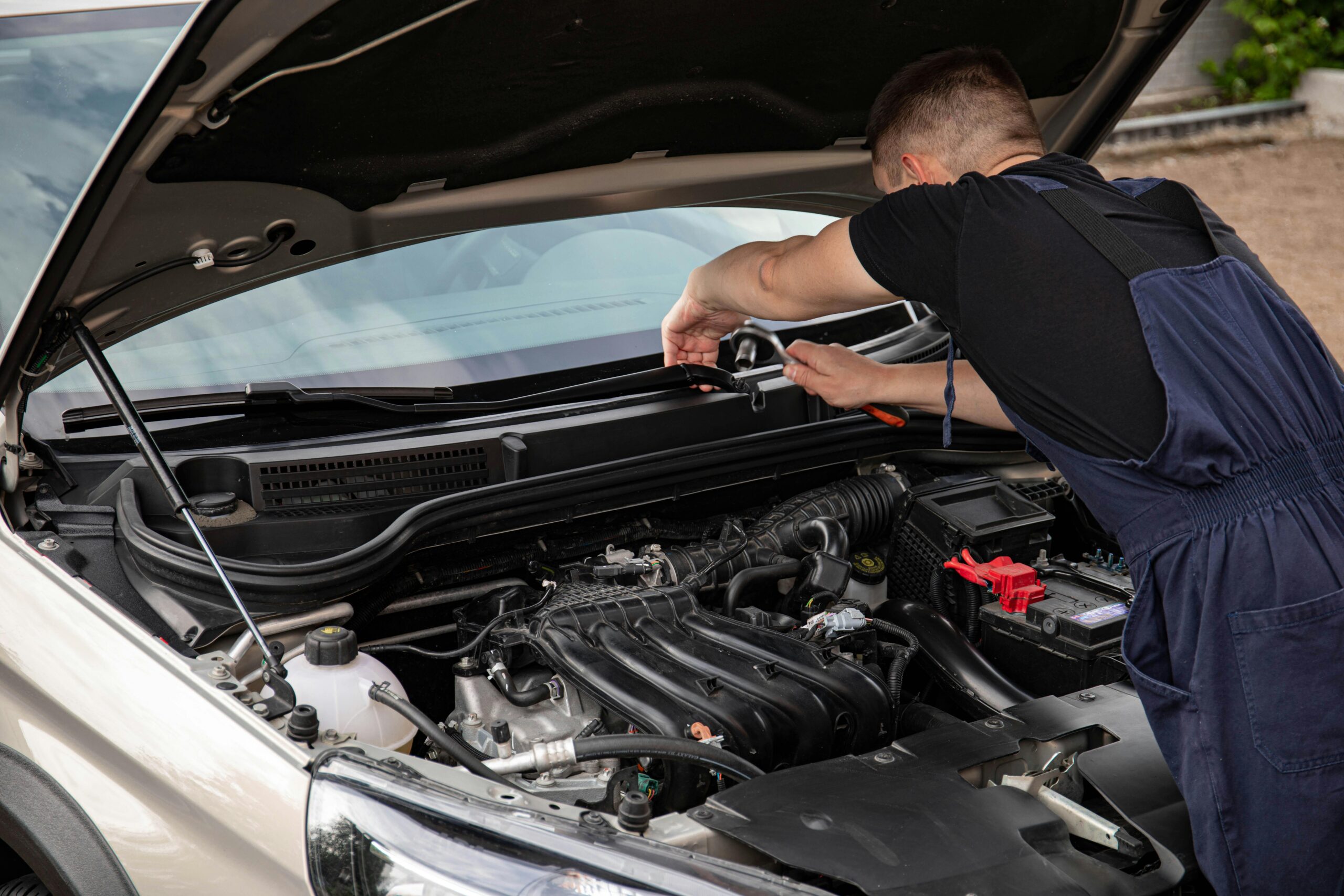
Transforming Maintenance From Chore to Advantage
The final transformation in reviving maintenance skills involves changing your relationship with these activities. Rather than viewing maintenance as burdensome obligation, recognize it as empowering investment. Each skill mastered expands your capabilities and independence.
Well-maintained equipment performs better, lasts longer, and operates more efficiently. The pride of ownership deepens when you personally ensure optimal condition. This engagement creates meaningful connections with the tools and systems that support your life and work.
Share your growing maintenance knowledge with others. Teaching reinforces your own understanding while building community resilience. As more people revive these forgotten arts, collective capability increases, creating networks of mutual support and shared expertise.
The journey to maintenance mastery begins with a single step—perhaps replacing a filter, tightening a loose connection, or simply observing equipment more carefully. Each small action builds momentum toward comprehensive competency. Start today, and discover how reviving these forgotten arts transforms efficiency, saves resources, and provides deep personal satisfaction. Your future self will thank you for the investment in these timeless, valuable skills. 🔧✨
