
Anúncios
Traditions are the threads that connect us to our ancestors, carrying wisdom, identity, and cultural richness across generations. Yet many ceremonial practices face extinction.
🌍 The Cultural Crisis We Cannot Ignore
Around the world, indigenous communities, ethnic minorities, and cultural groups are witnessing the slow disappearance of sacred ceremonies, traditional rituals, and ancestral practices. Globalization, urbanization, and the rapid pace of modern life have created a widening gap between younger generations and the ceremonial knowledge their elders possess. This erosion isn’t merely about losing outdated customs; it represents the potential extinction of entire worldviews, healing practices, spiritual frameworks, and community bonds that have sustained societies for millennia.
Anúncios
The urgency of this situation cannot be overstated. According to UNESCO, a language dies every two weeks, and with it, countless cultural practices and ceremonial knowledge vanish forever. When ceremonial continuity breaks, communities lose more than rituals—they lose their identity compass, their connection to place, and the ethical frameworks that have guided behavior for generations.
Understanding the Roots of Ceremonial Discontinuity
Before we can bridge the gap, we must understand what created it. Several interconnected factors have contributed to the breakdown of ceremonial transmission:
Anúncios
The Migration Effect
Young people increasingly move from rural areas to urban centers for education and employment. This geographical separation from elders and ceremonial spaces creates physical barriers to participation and learning. Traditional ceremonies often require specific landscapes, sacred sites, or natural resources unavailable in cities.
Educational Systems and Western Dominance
Formal education systems worldwide have historically marginalized or actively suppressed indigenous knowledge systems. Children spend formative years in educational environments that rarely acknowledge or value ceremonial practices, creating an implicit hierarchy where traditional knowledge ranks below academic achievement.
Economic Pressures and Time Scarcity
Modern economic structures demand continuous productivity, leaving little room for the time-intensive nature of traditional ceremonies. Many rituals require days or weeks of preparation, observation, and participation—luxuries that contemporary work schedules rarely accommodate.
Language Loss and Knowledge Transmission
Ceremonial knowledge is often encoded in specific languages, with nuances that resist translation. As indigenous languages decline, the detailed understanding necessary for proper ceremonial practice deteriorates. The loss of language doesn’t just mean losing words; it means losing entire conceptual frameworks.
✨ Why Ceremonial Continuity Matters for Everyone
The revival of traditional ceremonies isn’t merely a nostalgic exercise or concern only for specific communities. The wisdom embedded in these practices offers solutions to contemporary challenges facing all of humanity.
Environmental Stewardship Models
Many traditional ceremonies encode sophisticated ecological knowledge. Harvest ceremonies teach sustainable resource management, seasonal rituals align human activity with natural cycles, and sacred site designations protect biodiversity hotspots. As climate change accelerates, these time-tested environmental management systems offer practical alternatives to destructive modern practices.
Mental Health and Community Wellbeing
Ceremonial participation provides structure, meaning, and belonging—elements increasingly scarce in fragmented modern societies. Research demonstrates that cultural continuity correlates strongly with reduced rates of youth suicide, addiction, and mental health crises in indigenous communities. These ceremonies create intergenerational bonds, provide rites of passage, and offer frameworks for processing grief, celebrating transitions, and maintaining social cohesion.
Alternative Knowledge Systems
Traditional ceremonies preserve knowledge about medicinal plants, astronomical observations, weather prediction, conflict resolution, and countless other domains. This knowledge represents millennia of empirical observation and experimentation—a library of human experience we cannot afford to lose.
🔄 Successful Strategies for Reviving Traditional Practices
Despite the challenges, communities worldwide are finding innovative ways to revive dormant traditions and ensure ceremonial continuity. Their successes offer blueprints for others undertaking similar journeys.
Documentation with Purpose
Strategic documentation plays a crucial role in revival efforts, but it must be approached carefully. Video recording, audio documentation, and written descriptions can preserve ceremonial knowledge when executed with community control and appropriate cultural protocols. The key is ensuring documentation serves community needs rather than extracting knowledge for external consumption.
Some communities create password-protected digital archives accessible only to community members, ensuring sensitive ceremonial knowledge remains protected while available for learning. Others work with ethnographers to create detailed documentation that can guide future revival efforts, should ceremonial practice lapse.
Youth Engagement Programs
Successful revival efforts prioritize making ceremonies relevant and accessible to younger generations without diluting their essence. This might involve:
- Creating youth-specific roles within ceremonies that provide meaningful participation opportunities
- Establishing mentorship programs pairing young people with knowledgeable elders
- Organizing cultural camps where children learn ceremonial practices in immersive environments
- Developing age-appropriate educational materials explaining ceremonial significance
- Using technology strategically to connect dispersed community members for ceremonial occasions
Adapting Without Compromising
The question of adaptation generates significant debate: How much can ceremonies change while remaining authentic? Communities finding success navigate this carefully, distinguishing between essential core elements and contextual features that can evolve.
For instance, some communities have adapted ceremony timing to accommodate modern work schedules, holding weekend observances while maintaining traditional protocols. Others have found ways to conduct ceremonies in urban settings when returning to ancestral lands isn’t feasible, creating portable sacred spaces that honor tradition while acknowledging contemporary realities.
🌱 The Role of Elders in Ceremonial Transmission
Elders remain the primary knowledge keepers for most ceremonial traditions. Their willingness and ability to teach determines whether traditions continue. However, many face challenges that complicate transmission.
Creating Conditions for Teaching
Communities must create favorable conditions for elders to teach. This includes providing financial support so elders can dedicate time to teaching, showing genuine respect for their knowledge, and creating learning environments where they feel comfortable sharing. Some communities have established stipend programs recognizing cultural teaching as valuable work deserving compensation.
Addressing Elder Hesitancy
Some elders hesitate to share ceremonial knowledge due to past persecution, concerns about misuse, or uncertainty about who deserves access to sacred information. Building trust requires time, demonstrated commitment, and often, addressing historical traumas. Younger community members must show genuine interest, respect protocols, and prove their dedication through consistent participation rather than casual curiosity.
🏛️ Institutional Support and Policy Frameworks
Individual community efforts gain strength when supported by appropriate institutional structures and policies.
Legal Protections for Ceremonial Practices
Governments can protect ceremonial continuity through legislation ensuring access to sacred sites, protecting ceremonial objects from commercialization, and safeguarding the right to practice traditional religions. Laws like the Native American Graves Protection and Repatriation Act (NAGPRA) in the United States, while imperfect, represent steps toward legal frameworks supporting ceremonial continuity.
Educational Integration
Schools can become allies in ceremonial revival by incorporating traditional knowledge into curricula, creating calendar accommodations for ceremonial participation, and inviting elders as recognized educators. Some regions have established indigenous-language schools where ceremonial knowledge forms part of standard education.
Resource Allocation
Governments and foundations can provide funding for cultural revitalization programs, language preservation initiatives, and ceremonial infrastructure. This might include building or maintaining ceremonial structures, supporting cultural festivals, or funding apprenticeship programs.
💡 Technology as Bridge, Not Replacement
Technology presents both opportunities and risks for ceremonial continuity. Used appropriately, it can facilitate connection, documentation, and learning. Used carelessly, it can commercialize, distort, or disrespect sacred practices.
Virtual Participation and Connection
For geographically dispersed communities, video conferencing technology enables remote participation in certain ceremonial aspects. While not replacing physical presence, this technology helps maintain connection and allows those unable to travel to remain engaged. Some communities livestream public portions of ceremonies for distant members while keeping sacred elements private.
Language Learning Applications
Digital language learning tools help younger generations acquire the linguistic competence necessary for ceremonial participation. These applications supplement rather than replace elder teaching, providing practice opportunities and accessibility outside formal learning sessions.
Digital Archives and Community Control
Communities are creating digital repositories of ceremonial knowledge with sophisticated access controls. These archives ensure knowledge preservation while maintaining community sovereignty over who can access what information and under what circumstances.
🌟 Practical Steps for Individuals and Communities
Whether you’re part of a community seeking to revive traditions or an individual hoping to support these efforts, concrete actions can make a difference.
For Community Members
- Attend ceremonies consistently, demonstrating commitment through presence
- Ask elders respectfully about opportunities to learn, accepting their guidance on appropriate pathways
- Practice patience, recognizing that ceremonial knowledge unfolds gradually
- Contribute practical support during ceremonies, helping with preparation, food, or logistics
- Share knowledge appropriately with younger family members, becoming a transmission link
- Document family ceremonial histories through interviews with relatives
For Supportive Outsiders
- Advocate for policies protecting ceremonial rights and sacred sites
- Support organizations led by communities working on cultural revitalization
- Educate yourself about the history and ongoing impacts of cultural suppression
- Respect boundaries around what knowledge is shareable and what remains community-specific
- Challenge appropriation and commercialization of ceremonial practices
🌈 The Regenerative Power of Ceremonial Revival
Communities successfully reviving ceremonial practices report transformative impacts extending beyond the ceremonies themselves. Participants describe reconnection with identity, healing from historical trauma, renewed purpose, and strengthened community bonds.
These revivals often catalyze broader cultural renaissance. Language learning accelerates, traditional arts resurge, and young people develop pride in their heritage. The ceremonies become anchors around which entire cultural ecosystems regenerate.
Measuring Success Beyond Numbers
Success in ceremonial revival isn’t merely about attendance statistics or ceremony frequency. It’s visible in subtle shifts: a young person choosing traditional names for their children, families planning vacations around ceremonial calendars, or community decisions incorporating traditional values. It’s heard when language previously dormant flows again in ceremonial contexts. It’s felt when elders’ knowledge finds eager reception rather than indifference.
🔮 Envisioning Future Generations Rooted in Tradition
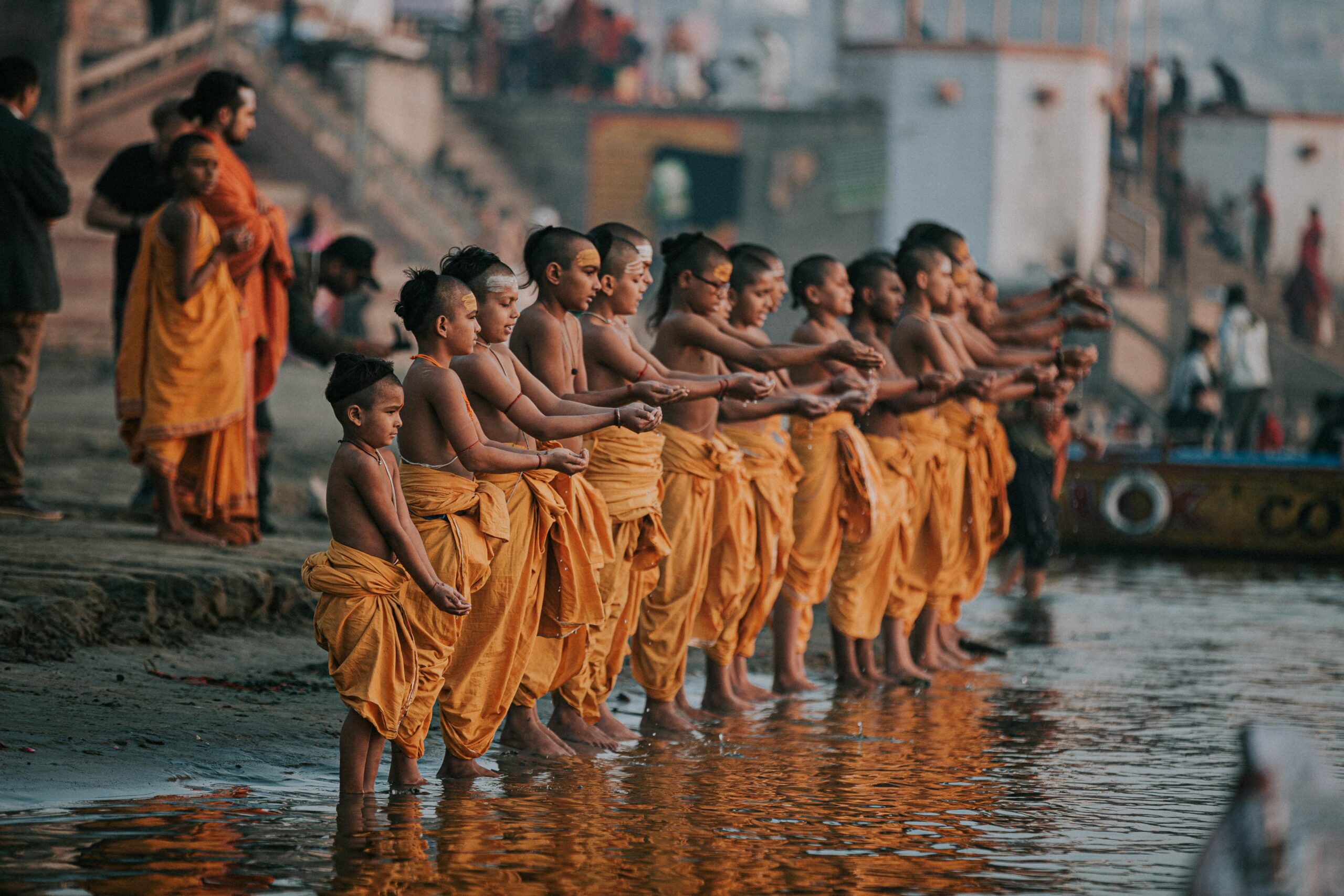
The work of bridging gaps and reviving traditions is fundamentally about future generations. It’s about ensuring children born decades from now inherit the same ceremonial richness, spiritual depth, and cultural connection that sustained their ancestors.
This vision requires thinking beyond immediate revival to sustainable transmission systems. It means creating structures ensuring that today’s youth learners become tomorrow’s knowledgeable elders. It involves building institutional support that outlasts individual enthusiasm. It demands addressing root causes of cultural discontinuity while celebrating and strengthening what remains.
The path forward isn’t about returning to an imagined past or freezing traditions in time. It’s about living traditions—practices that honor ancestral wisdom while remaining relevant to contemporary lives. It’s about young people understanding ceremonies not as museum pieces but as living tools for navigating existence, building community, and maintaining balance.
🌿 The Collective Responsibility We All Share
Ceremonial continuity concerns everyone, not just specific communities. The diversity of human cultural expression represents collective human heritage. When any tradition disappears, humanity’s repertoire of wisdom, meaning-making, and social organization diminishes.
We all have roles to play. Community members bear responsibility for engaging with their own traditions, overcoming inertia or disconnection to participate actively. Elders must find ways to share knowledge despite understandable hesitations. Governments should create supportive policy frameworks and provide resources. Institutions should recognize and value traditional knowledge alongside academic learning.
The bridges we build today—between generations, between traditional and contemporary, between nearly lost and vibrantly alive—will determine what inheritance we pass forward. Every ceremony attended, every word learned in an ancestral language, every young person choosing to engage deeply with tradition, strengthens these bridges.
Ceremonial continuity isn’t guaranteed. It requires conscious choice, sustained effort, and genuine commitment. But the rewards—cultural vitality, community strength, spiritual depth, and connection to something larger than individual existence—make this work essential. For future generations to dance the dances, sing the songs, and walk the ceremonial paths their ancestors created, we must act now, building bridges that span the gaps and ensuring traditions flow like rivers, nourishing all who come after us.
