
Anúncios
Our collective memory is crumbling in dusty corners, fading on deteriorating film reels, and slowly disappearing from neglected hard drives across the globe.
📚 The Silent Crisis Threatening Human Heritage
Archives represent the backbone of our civilization’s memory, yet they face an unprecedented crisis. From ancient manuscripts to digital files, our historical records are deteriorating at an alarming rate while funding and attention continue to dwindle. The irony is profound: we live in an age obsessed with documentation, yet we’re failing spectacularly at preservation.
Anúncios
Every year, countless irreplaceable documents, photographs, audio recordings, and films succumb to decay. Climate change accelerates the deterioration of physical materials, while digital obsolescence threatens born-digital records. The neglect isn’t always intentional—often it’s the result of limited resources, competing priorities, and a fundamental misunderstanding of archives’ value to society.
Museums, libraries, government repositories, and private collections worldwide struggle with inadequate storage conditions, insufficient staffing, and outdated preservation technologies. Meanwhile, the clock ticks relentlessly as acid paper crumbles, magnetic tapes demagnetize, and file formats become unreadable.
Anúncios
🕰️ Understanding the Multifaceted Nature of Archive Decay
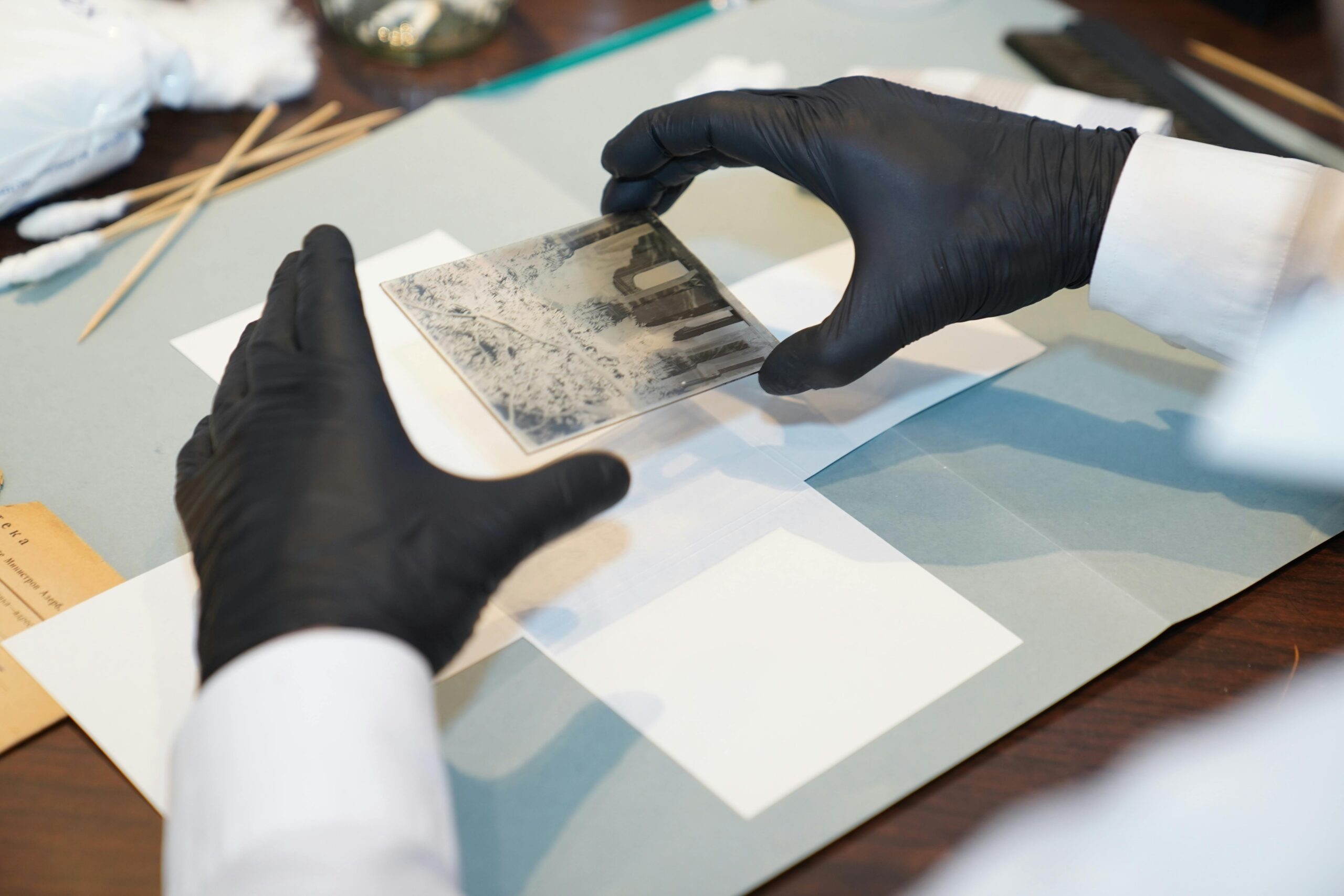
Archive deterioration manifests in numerous forms, each requiring specific interventions. Physical decay affects paper-based materials through acidification, humidity damage, pest infestation, and simple handling wear. Photographs fade, negatives turn brittle, and ink bleeds through aging paper. These processes are often irreversible once they reach advanced stages.
Environmental factors play a crucial role. Temperature fluctuations cause expansion and contraction of materials, creating stress fractures. Excessive humidity promotes mold growth and accelerates chemical degradation, while too little humidity causes brittleness. Light exposure, particularly ultraviolet radiation, fades inks and dyes while weakening paper fibers.
The Digital Preservation Paradox
Digital archives face entirely different challenges. Technology obsolescence means files created just decades ago may already be inaccessible. Who today can easily read a 5.25-inch floppy disk or access files from discontinued software platforms? The rapid pace of technological change creates a treadmill effect where constant migration to new formats is necessary for survival.
Storage media itself degrades. Hard drives fail, optical discs develop bit rot, and cloud storage depends on companies that may not exist in twenty years. Digital preservation requires active management—unlike a book that can sit on a shelf for centuries, digital files need constant attention to remain accessible.
💡 Why Archive Preservation Matters More Than Ever
Archives aren’t merely dusty repositories of old documents—they’re essential infrastructure for democracy, justice, education, and cultural identity. Legal systems depend on historical records for property rights, precedent, and evidence. Researchers need access to primary sources to understand our past and inform future decisions.
Personal and community identities are built on historical narratives preserved in archives. Family histories, immigration records, local newspapers, and community photographs connect people to their roots. When these materials disappear, entire communities lose their documented existence.
Scientific progress relies heavily on archival research. Medical researchers study historical disease patterns, climate scientists analyze centuries of weather observations, and social scientists examine trends across generations. Without well-maintained archives, this research becomes impossible.
The Economic Argument for Preservation
Beyond cultural and academic value, archives have significant economic importance. They support genealogy tourism, fuel the creative industries with historical content, and provide legal documentation that saves governments and businesses millions in litigation costs. The return on investment for proper archive maintenance far exceeds the initial costs.
🔍 Documenting the Scale of the Problem
Surveys of archival institutions worldwide reveal alarming statistics. Significant percentages of collections are stored in inadequate conditions. Many institutions lack climate control, proper shelving, or even basic pest management. Staffing shortages mean materials sit unprocessed and inaccessible, while deterioration continues unchecked.
Natural disasters have demonstrated our vulnerability. Floods, fires, hurricanes, and earthquakes have destroyed irreplaceable collections within hours. Recent conflicts have shown how quickly cultural heritage can be weaponized or lost to violence. The burning of libraries and archives represents not just property loss but the erasure of collective memory.
Even major institutions struggle. National archives face budget cuts, local historical societies operate on shoestring budgets, and university special collections compete for resources with other academic priorities. The problem isn’t limited to developing nations—wealthy countries also suffer from archive neglect.
🛠️ Innovative Solutions and Revival Strategies
Despite these challenges, exciting solutions are emerging. Mass digitization projects make archives more accessible while creating preservation copies. Crowd-sourced transcription engages volunteers worldwide in making handwritten documents searchable. Artificial intelligence helps identify and categorize images, recognize faces, and even predict deterioration patterns.
New preservation technologies offer hope. Deacidification processes extend paper life, while advanced scanning captures deteriorating materials before they’re lost. Improved storage materials reduce ongoing decay, and climate control systems become more efficient and affordable.
Community-Driven Preservation Initiatives
Grassroots movements are making significant impacts. Local history groups digitize community newspapers before they crumble. Families scan personal photo albums and share them with historical societies. Amateur archivists rescue materials from estate sales and donations before they reach landfills.
Social media platforms, despite their flaws, enable unprecedented sharing of historical materials. Old photographs find new audiences, sparking memories and generating contextual information. Crowdfunding campaigns raise money for specific preservation projects, connecting donors directly with tangible outcomes.
📱 Technology as Both Challenge and Solution
Modern technology presents a double-edged sword for archives. While digital tools enable preservation and access, they also create new vulnerabilities. Dependence on proprietary formats, cloud services, and specific hardware creates long-term risks. Yet refusing to embrace technology isn’t an option—digital tools are essential for contemporary archive management.
Open-source solutions offer promising alternatives. Community-developed software reduces dependence on commercial products that may disappear. Standardized file formats improve long-term accessibility. Distributed storage systems provide redundancy against single points of failure.
Mobile applications now allow anyone to document and share historical materials. These tools democratize preservation, though they also raise questions about quality control, metadata standards, and long-term storage responsibility.
🌍 Global Cooperation and Knowledge Sharing
Archive preservation requires international collaboration. Institutions share best practices, conservation techniques, and technological solutions. Training programs help build capacity in under-resourced regions. Disaster response networks coordinate emergency preservation efforts when collections are threatened.
Professional organizations establish standards and advocate for archive funding. International conferences facilitate knowledge exchange while highlighting successful preservation projects. These networks prove essential for tackling problems that transcend national boundaries.
Learning from Indigenous Preservation Practices
Indigenous communities offer valuable lessons in cultural preservation. Oral traditions maintain knowledge across generations without physical archives. Community-based protocols ensure materials are preserved according to cultural values rather than external standards. These approaches complement Western archival practices and suggest alternative preservation models.
💰 Confronting the Funding Challenge
Money remains the fundamental obstacle to archive preservation. Government budgets prioritize immediate needs over long-term preservation. Private funding sources, while helpful, cannot sustain the massive preservation backlog alone. Creative funding models are essential.
Advocates argue for treating archives as infrastructure—comparable to roads, utilities, or communications networks—deserving sustained public investment. Some jurisdictions dedicate specific tax revenues to cultural preservation. Endowments provide ongoing funding independent of annual budget cycles.
Public-private partnerships leverage resources from multiple sources. Commercial digitization projects make materials accessible while generating revenue. Licensing historical images and documents creates income streams that support preservation work.
👥 Building the Next Generation of Archivists
Trained professionals are essential for successful preservation. However, archival education programs struggle with declining enrollment and competition from other fields. Making archive careers attractive to young professionals requires competitive salaries, clear career paths, and recognition of the field’s importance.
Diversifying the archival profession ensures collections reflect broader community perspectives. Historically marginalized groups are underrepresented in both archival collections and among archive professionals. Intentional efforts to recruit diverse archivists improve how materials are preserved, described, and made accessible.
Volunteer Programs and Public Engagement
Volunteers extend limited professional capacity. Well-designed volunteer programs provide meaningful work while protecting collections from amateur mistakes. Training programs teach basic preservation principles, enabling community members to care for family collections appropriately.
Educational outreach builds public support for archives. School visits, exhibitions, and public programs demonstrate archives’ relevance to daily life. When people understand how archives affect them personally, they’re more likely to support preservation funding.
🚀 Envisioning the Archive of Tomorrow
Future archives will differ dramatically from traditional repositories. Hybrid collections blend physical and digital materials. Artificial intelligence assists with description, access, and preservation monitoring. Virtual reality enables immersive experiences with historical materials without risking originals through handling.
Archives are becoming more participatory. Community members contribute knowledge about collections, correct errors, and share personal stories connected to materials. This collaborative approach enriches archives while building public investment in preservation.
Decentralized models distribute preservation responsibility across networks rather than concentrating everything in single institutions. Blockchain technology might verify authentic copies and track provenance. These innovations promise to make archives more resilient and accessible.
⚡ Immediate Actions for Preservation Advocates
Everyone can contribute to archive preservation, regardless of expertise or resources. Start by properly storing personal and family materials—use acid-free boxes, control temperature and humidity, and create backup copies of digital files. Share historical materials with appropriate repositories rather than discarding them.
Support archive institutions through donations, volunteering, or simply using their services. Visibility matters—the more people engage with archives, the stronger the case for their funding. Advocate with elected officials for preservation budgets and policies.
Professional archivists should mentor newcomers, share techniques freely, and collaborate across institutions. Researchers can acknowledge archive contributions in publications and respect access restrictions designed to protect collections. Media coverage of archive stories raises public awareness about preservation issues.
🌟 The Urgency of Now: Why We Cannot Wait
Archive preservation cannot be postponed indefinitely. Once materials deteriorate beyond recovery, they’re lost forever—no future technology can resurrect completely destroyed documents. Every year of delay means more losses. The materials most at risk are often those documenting marginalized communities, controversial periods, or everyday life—precisely the gaps historians most want to fill.
Climate change accelerates deterioration while increasing disaster risks. Political instability threatens archives in vulnerable regions. The passing of generations means contextual knowledge about materials disappears along with human memory. Urgency is not hyperbole—it’s reality.
Yet urgency should inspire action rather than paralysis. Preservation work happens through countless small actions accumulating over time. Each digitized photograph, each climate-controlled storage room, each trained archivist represents progress. Perfectionism is the enemy—doing something is infinitely better than doing nothing while waiting for ideal conditions.
🔗 Connecting Past and Future Through Preservation
Archive preservation is ultimately about connection—linking past experiences with present understanding and future possibilities. Well-preserved archives enable us to learn from history, understand diverse perspectives, and make informed decisions. They remind us that today’s present becomes tomorrow’s past, deserving careful stewardship.
The work is challenging but profoundly meaningful. Every preserved collection represents voices that continue speaking across time. Every rescued photograph connects families to ancestors. Every maintained record supports justice and accountability. This work matters not despite its difficulty, but because of its necessity.
We stand at a critical juncture where technology, awareness, and need converge. The tools exist to preserve our heritage more comprehensively than ever before. Public interest in history and identity creates momentum for preservation advocacy. Resources remain insufficient, but the path forward is clearer than in previous generations.
The question isn’t whether archive preservation matters—that’s settled. The question is whether we’ll act with sufficient urgency and commitment to prevent irreversible losses. History is quite literally fading while we debate. The time for comprehensive action is now, before silence replaces the rich cacophony of human experience documented in archives worldwide. Our descendants deserve to inherit the past we received, enhanced rather than diminished by our stewardship.
