
Anúncios
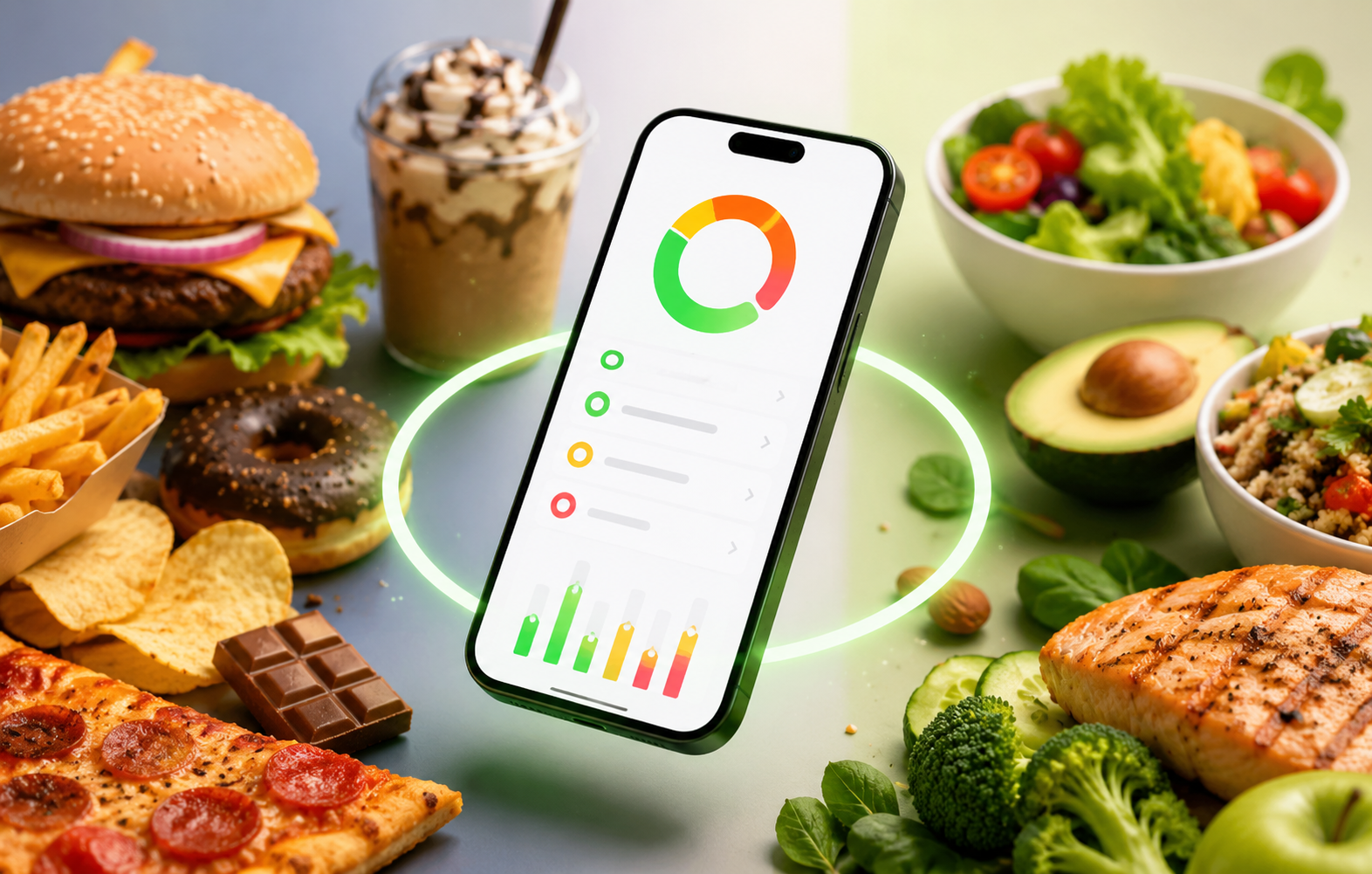
Tracking your daily calorie intake has never been easier thanks to modern technology and dedicated mobile applications designed to help you achieve your health goals.
Whether you’re looking to lose weight, gain muscle, or simply maintain a healthier lifestyle, calorie counting apps have become essential tools in the digital age. These applications transform your smartphone into a personal nutritionist, offering detailed insights into everything you consume throughout the day.
Anúncios
The beauty of these apps lies in their simplicity and accessibility. With just a few taps, you can log meals, scan barcodes, and receive instant nutritional breakdowns. They’ve revolutionized how we approach diet management, making what once required notebooks and calculators now effortlessly manageable from your pocket. 📱
Why Calorie Counting Apps Matter for Your Health Journey
Understanding what you eat is the cornerstone of any successful health transformation. Calorie counting applications provide transparency into your dietary habits, revealing patterns you might not have noticed otherwise. They create awareness around portion sizes, hidden sugars, and nutritional imbalances that could be sabotaging your goals.
Anúncios
Research consistently shows that people who track their food intake are more likely to achieve and maintain their weight loss objectives. The simple act of recording what you eat creates accountability and mindfulness around food choices. These apps serve as gentle reminders that help you stay committed to your wellness journey.
Beyond just numbers, modern calorie tracking apps offer comprehensive nutritional information. You’ll discover protein, carbohydrate, and fat ratios, along with vitamins and minerals. This holistic view empowers you to make informed decisions rather than blindly following restrictive diets.


Essential Features That Make Calorie Apps Effective 🎯
The best calorie counting applications share several key characteristics that set them apart from basic tracking tools. Understanding these features helps you choose the right app for your specific needs and preferences.
Extensive Food Database
A comprehensive food database is non-negotiable. Top-tier apps contain millions of food items, from restaurant meals to homemade recipes. This variety ensures you can accurately log virtually anything you consume, regardless of cuisine or preparation method.
Many apps include regional and international foods, making them useful for travelers or those who enjoy diverse culinary experiences. The database should be regularly updated with new products and restaurant menu items to remain relevant and helpful.
Barcode Scanner Technology
Barcode scanning transforms tedious manual entry into a quick, accurate process. Simply point your camera at a product’s barcode, and the app instantly retrieves nutritional information. This feature dramatically reduces the time required to log meals and minimizes errors in portion estimation.
The convenience factor cannot be overstated. When logging food takes seconds rather than minutes, you’re far more likely to maintain consistency with tracking throughout your day.
Customizable Goals and Metrics
Everyone’s health journey is unique. Quality apps allow you to set personalized calorie targets based on your age, weight, height, activity level, and specific goals. Whether you’re aiming for weight loss, muscle gain, or maintenance, the app should adapt to your individual requirements.
Advanced applications also let you customize macronutrient ratios, set meal-specific targets, and adjust goals as your needs evolve over time.
How to Maximize Your Results with Calorie Tracking
Simply downloading an app isn’t enough. Success requires strategic use and consistent habits. Here are proven strategies to help you get the most value from your calorie counting application.
Start With Honest Baseline Tracking
Before making any dietary changes, spend a few days tracking exactly what you normally eat. This establishes a baseline and reveals your actual consumption patterns. Many people are surprised to discover they consume significantly more calories than they estimated.
This awareness phase is crucial. It removes guesswork and provides data-driven insights into where adjustments might be needed. You might discover that your morning coffee contains more calories than your lunch, or that evening snacking accounts for a substantial portion of your daily intake.
Measure Portions Accurately
Eyeballing portions is notoriously unreliable. Invest in a simple kitchen scale to measure food accurately, especially during your initial weeks of tracking. This practice trains your eye to recognize proper serving sizes, making future estimation more accurate.
Over time, you’ll develop an intuitive sense of portions, but precision in the beginning establishes better habits. The difference between one tablespoon and two tablespoons of oil, for instance, represents about 120 calories—enough to impact your weekly progress.
Log Foods Immediately
Memory fades quickly when it comes to food consumption. Get into the habit of logging meals as you eat them or immediately afterward. Waiting until the end of the day leads to forgotten snacks, inaccurate portions, and abandoned tracking altogether.
Many apps offer quick-add features for frequently consumed items, making real-time logging even more convenient. Create favorites lists for your regular meals to streamline the process further.
Understanding the Numbers Beyond Just Calories 📊
While calorie tracking is valuable, the quality of those calories matters immensely. Not all calories affect your body the same way. An app that shows comprehensive nutritional breakdowns helps you optimize not just quantity but quality of your diet.
Macronutrient Balance
Proteins, carbohydrates, and fats each play distinct roles in your health. Adequate protein supports muscle maintenance and satiety. Complex carbohydrates provide sustained energy. Healthy fats support hormone production and nutrient absorption.
Your app should display these macronutrients clearly, helping you ensure balanced intake. Many people discover they’re consuming too little protein or too many simple carbohydrates once they start tracking comprehensively.
Micronutrients and Fiber
Vitamins, minerals, and fiber often receive less attention than calories, yet they’re essential for optimal health. Quality apps track these micronutrients, alerting you to potential deficiencies in your diet.
Fiber, in particular, deserves special attention. It promotes digestive health, supports stable blood sugar levels, and increases satiety. Most people consume far less fiber than recommended, and tracking apps can highlight this gap.

Common Mistakes to Avoid When Using Calorie Apps ⚠️
Even with the best tools, certain pitfalls can undermine your progress. Being aware of these common mistakes helps you navigate your tracking journey more effectively.
Becoming Obsessive
While tracking provides valuable data, it shouldn’t consume your life or create anxiety around food. If you find yourself stressed about every calorie or unable to eat without logging, you may need to reassess your approach. The app should serve you, not control you.
Consider tracking for specific periods to build awareness, then taking breaks to practice intuitive eating with the knowledge you’ve gained. This balanced approach prevents burnout and develops sustainable habits.
Ignoring Quality for Quantity
Hitting your calorie target with processed foods might meet numerical goals but fails nutritionally. Two hundred calories from vegetables provide vastly different benefits than two hundred calories from candy, despite identical calorie counts.
Use your app to prioritize nutrient-dense whole foods. Many apps now include food quality ratings or health scores to guide better choices beyond simple calorie counting.
Forgetting to Adjust Over Time
As your weight changes, so do your calorie requirements. An intake appropriate for losing weight becomes insufficient for maintenance. Similarly, increased muscle mass and activity levels demand more fuel.
Regularly update your profile information in the app and reassess your goals. What worked initially may need modification as your body and circumstances evolve.
Integration With Fitness and Lifestyle Tracking 🏃♀️
The most powerful calorie apps don’t operate in isolation. They integrate with fitness trackers, smartwatches, and other health platforms to provide a comprehensive view of your energy balance.
This connectivity allows your app to automatically adjust calorie allowances based on exercise expenditure. If you run five miles, the app credits those burned calories, providing flexibility in your daily intake. This dynamic adjustment prevents the frustration of rigid calorie limits that don’t account for activity variations.
Integration also reveals correlations between diet, exercise, sleep, and mood. You might discover that inadequate protein affects your workout performance, or that certain foods impact your sleep quality. These insights transform isolated data points into actionable wellness strategies.
Privacy and Data Security Considerations 🔒
When choosing a calorie counting app, consider how your personal health data will be used and protected. Reputable apps clearly outline their privacy policies and give you control over data sharing.
Look for apps that encrypt your information and don’t sell data to third parties without explicit consent. Your dietary habits, weight, and health goals are sensitive information deserving protection.
Many apps offer social features for community support, but these should be optional. You should be able to keep your tracking completely private if you prefer, sharing only what you’re comfortable revealing.
Building Sustainable Habits Beyond the App
The ultimate goal of calorie tracking isn’t perpetual logging but developing intuition and knowledge about nutrition. Use the app as an educational tool that teaches you about food composition, appropriate portions, and your body’s unique needs.
Over time, you’ll internalize much of this information. You’ll instinctively recognize that a palm-sized portion of protein is appropriate, or that a fist-sized serving of carbohydrates fits your goals. The app transitions from necessity to occasional reference tool.
This evolution represents true success—not dependence on technology, but empowerment through knowledge gained from consistent use of these digital nutritionists.
Making Your Choice: Finding the Right App for You ✨
With countless calorie counting apps available, selection can feel overwhelming. Start by identifying your primary goals and preferences. Do you want comprehensive nutritional tracking or simple calorie counting? Do you prefer community features or private tracking?
Consider trying a few highly-rated options to see which interface feels most intuitive. The best app is the one you’ll actually use consistently, so user experience matters more than features you’ll never access.
Many quality apps offer free versions with optional premium upgrades. Start with the free tier to evaluate whether the app suits your needs before committing to a subscription.
The Science Behind Successful Calorie Management
Understanding the principles behind calorie counting enhances your ability to use these apps effectively. Weight management fundamentally comes down to energy balance—calories consumed versus calories expended.
Creating a moderate calorie deficit (consuming less than you burn) leads to weight loss. A surplus supports muscle gain when combined with strength training. Maintenance requires balance between intake and expenditure. These principles sound simple, but individual metabolism, genetics, and lifestyle factors create complexity.
Quality apps account for these nuances, using established formulas like the Mifflin-St Jeor equation to estimate your basal metabolic rate and total daily energy expenditure. This scientific foundation ensures recommendations are grounded in research rather than arbitrary numbers.
Transforming Your Relationship With Food 🍎
Perhaps the most profound benefit of calorie tracking apps extends beyond weight management. They foster mindfulness around eating, transforming unconscious consumption into deliberate choice.
You become aware of emotional eating patterns, habitual snacking, and the true nutritional value of your favorite foods. This awareness creates opportunity for change without judgment or restriction.
Rather than labeling foods as good or bad, you learn to make informed trade-offs. If you want dessert, you can plan for it within your daily targets. This flexibility prevents the deprivation mindset that sabotages traditional diets, creating a sustainable, balanced approach to nutrition.
The journey toward better health doesn’t require perfection—just consistency, awareness, and the right tools to support your goals. Modern calorie counting apps provide exactly that: powerful, accessible support that fits in your pocket and adapts to your unique needs.
Whether you’re just beginning to explore nutrition tracking or looking to refine your approach, these applications offer invaluable insights that can transform not just your body, but your entire relationship with food and wellness. Start today, stay consistent, and watch as small daily decisions compound into remarkable long-term results. 🌟
