
Anúncios
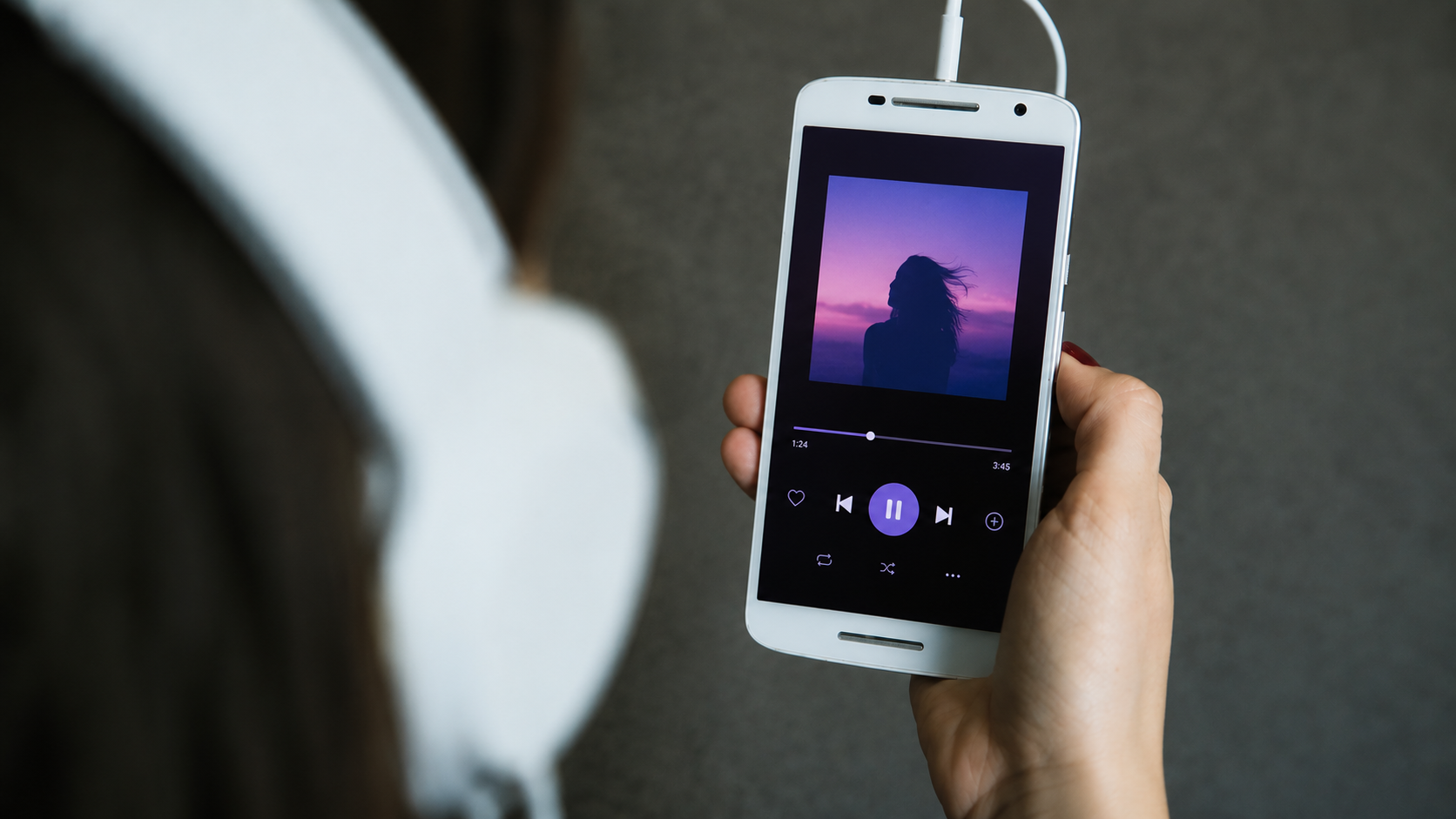
Music streaming apps have revolutionized how we consume audio content, offering millions of songs at our fingertips anytime, anywhere.
The digital age has transformed our relationship with music forever. Gone are the days of carrying physical CDs or downloading individual tracks to limited storage devices. Today’s music applications provide seamless access to vast libraries, personalized recommendations, and social features that connect listeners worldwide.
Anúncios
Whether you’re commuting to work, exercising at the gym, or relaxing at home, music apps have become essential companions in our daily lives. Understanding the features, benefits, and options available can help you choose the perfect platform for your listening preferences and lifestyle needs. 🎵
Why Music Streaming Apps Changed Everything
The shift from physical media to digital streaming represents one of the most significant transformations in entertainment history. Music applications offer unprecedented convenience, allowing users to access millions of songs without purchasing individual albums or tracks.
Anúncios
Streaming services have democratized music discovery, enabling independent artists to reach global audiences without traditional record label support. Algorithms analyze listening habits to suggest new tracks, creating personalized experiences that introduce users to artists they might never have discovered otherwise.
The economic model also benefits consumers significantly. For the price of a single album, monthly subscriptions provide unlimited access to entire music catalogs. This affordability has reduced music piracy while ensuring artists receive compensation through streaming royalties.


Essential Features to Look for in Music Apps
Modern music applications offer far more than basic playback functionality. Understanding key features helps users select platforms that align with their specific needs and preferences.
Library Size and Content Availability 📚
The most fundamental consideration involves catalog size. Leading platforms typically offer 70-100 million tracks, covering virtually every genre and era. However, exclusive content agreements mean certain artists or albums may only appear on specific services.
Regional availability also matters considerably. Some platforms excel in particular markets, offering extensive local music libraries that competitors might overlook. International users should verify whether their preferred artists and genres receive adequate representation.
Audio Quality and Streaming Options
Serious audiophiles prioritize sound quality above other features. Standard streaming typically delivers 128-160 kbps, while premium tiers offer 320 kbps or lossless formats like FLAC and ALAC.
High-resolution audio provides studio-quality sound but requires substantial bandwidth and storage. Many applications allow users to adjust quality settings based on their connection type, conserving mobile data while maintaining optimal quality on Wi-Fi networks.
Offline Listening Capabilities
Download functionality enables users to enjoy music without internet connectivity. This feature proves invaluable during flights, in areas with poor reception, or when managing limited data plans.
Premium subscriptions typically include unlimited downloads, while free tiers may restrict this feature. Storage management tools help users organize offline content efficiently, automatically removing old downloads to free space for new selections.
Personalization and Discovery Features 🔍
Artificial intelligence has revolutionized music discovery, transforming how users find new artists and tracks. Sophisticated algorithms analyze listening patterns, creating customized playlists that evolve with user preferences.
Daily mixes combine favorite tracks with similar recommendations, introducing fresh content while maintaining familiarity. Weekly discovery playlists showcase completely new artists based on listening history, genre preferences, and even mood detection.
Social features enhance discovery through friend activity feeds, collaborative playlists, and sharing capabilities. Seeing what friends and influencers enjoy often leads to exciting musical explorations beyond algorithmic suggestions.
Free vs Premium: Understanding Subscription Models
Most major music platforms operate on freemium models, offering basic access at no cost while reserving premium features for paying subscribers. Understanding these differences helps users make informed decisions about upgrading.
What Free Tiers Typically Include
Free accounts generally provide access to complete music libraries with limitations. Advertisements interrupt listening sessions, generating revenue that supports the free service model. Shuffle-only playback on mobile devices prevents users from selecting specific tracks on demand.
Quality restrictions typically cap streaming at lower bitrates. Skip limits prevent excessive track-skipping, and offline downloads remain unavailable. Despite these constraints, free tiers offer legitimate access to millions of songs without financial commitment.
Premium Subscription Benefits
Paid subscriptions eliminate advertisements entirely, creating uninterrupted listening experiences. Users gain complete control over playback, selecting specific tracks and creating custom queues without restrictions.
Higher audio quality, unlimited skips, and offline downloads justify monthly fees for dedicated listeners. Family plans extend premium benefits to multiple household members at reduced per-person costs, while student discounts make premium access more affordable for younger demographics.
Cross-Platform Compatibility and Integration
Modern music applications function across multiple devices and operating systems, ensuring seamless experiences regardless of hardware preferences. Cloud synchronization maintains consistent libraries, playlists, and listening history across smartphones, tablets, computers, and smart speakers.
Integration with voice assistants enables hands-free control through simple commands. Smart home devices, car entertainment systems, and wearable technology all support major streaming platforms, creating truly ubiquitous listening experiences.
Desktop applications often provide enhanced functionality compared to mobile versions, including advanced playlist management and higher-quality streaming options. Web players offer convenient access without requiring software installation, though features may be somewhat limited.
Podcast and Audio Content Expansion 🎙️
Music platforms increasingly incorporate podcasts, audiobooks, and other spoken-word content. This expansion transforms specialized music apps into comprehensive audio entertainment hubs.
Exclusive podcast deals attract audiences seeking specific shows unavailable elsewhere. Integrated recommendations suggest podcasts based on music preferences, introducing listeners to complementary content they might enjoy.
Unified libraries simplify content management, eliminating the need for separate applications. Seamless transitions between music and podcasts enhance user experiences, particularly during activities like commuting or exercising.
Social Features and Collaborative Listening
Music inherently connects people, and modern applications leverage this social aspect through various interactive features. Collaborative playlists allow multiple users to contribute tracks, creating shared musical experiences for parties, road trips, or casual gatherings.
Friend activity feeds display what connections currently enjoy, inspiring discovery through peer recommendations. Sharing individual tracks or entire playlists across social media platforms extends musical conversations beyond the application itself.
Group session features enable synchronized listening, allowing geographically separated friends to experience music together in real-time. These innovations recreate communal aspects of music enjoyment in our increasingly digital world.
Privacy and Data Considerations 🔒
Music streaming applications collect substantial user data to personalize recommendations and improve services. Understanding privacy implications helps users make informed decisions about information sharing.
Listening history reveals personal preferences, daily routines, and even emotional states. While this data powers recommendation algorithms, it also raises legitimate privacy concerns about corporate data collection and potential misuse.
Privacy settings allow users to control data sharing, though restricting collection may limit personalization features. Reading privacy policies and adjusting settings according to personal comfort levels represents responsible digital citizenship.
Impact on Artists and Music Industry
Streaming platforms fundamentally altered music industry economics, replacing album sales with per-stream royalties. While this model benefits consumers through affordable access, artist compensation remains controversial.
Independent musicians gain unprecedented distribution capabilities, reaching global audiences without label support. However, low per-stream payments necessitate millions of plays to generate significant income, challenging smaller artists’ financial sustainability.
Playlist placement dramatically influences success, with algorithm-selected features potentially making or breaking careers. This power concentration raises questions about fairness and transparency in music promotion.
Choosing the Right Music App for Your Needs ✨
Selecting an ideal music platform requires evaluating personal priorities, listening habits, and budget constraints. No single service suits everyone perfectly, making individual assessment essential.
Consider catalog comprehensiveness, particularly regarding preferred genres or regional artists. Audio quality matters significantly to audiophiles but may be less critical for casual listeners using basic headphones.
Interface design affects daily usability more than users initially expect. Intuitive navigation, attractive visual design, and smooth performance contribute to satisfying long-term experiences.
Free trial periods allow risk-free exploration before committing financially. Testing multiple platforms reveals which features matter most in practical daily use versus theoretical comparisons.
The Future of Music Streaming Technology
Emerging technologies promise continued evolution in how we consume music. Spatial audio creates immersive three-dimensional soundscapes, particularly impactful when using compatible headphones or speaker systems.
Artificial intelligence improvements will deliver increasingly accurate recommendations, potentially understanding context like activity, time of day, and even weather conditions. Enhanced mood detection may automatically curate soundtracks matching emotional states.
Virtual and augmented reality integration could transform music experiences, offering virtual concert attendance or interactive music videos. Blockchain technology might revolutionize artist compensation, ensuring fair royalty distribution through transparent systems.
Maximizing Your Music Streaming Experience 🎧
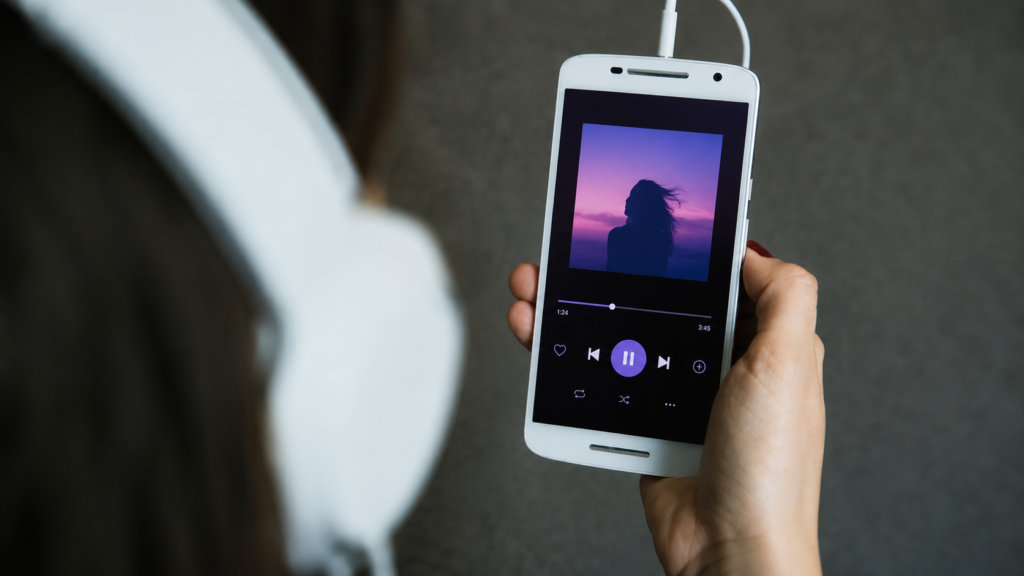
Getting the most from music applications involves more than simply pressing play. Creating organized playlists for different moods, activities, and occasions enhances accessibility and enjoyment.
Exploring curated playlists exposes listeners to professionally selected tracks they might not discover independently. Genre deep-dives and era-specific collections provide educational listening experiences alongside entertainment.
Regular library maintenance keeps collections manageable and relevant. Removing disliked tracks improves recommendation accuracy while periodic playlist refreshes prevent listening fatigue from excessive repetition.
Engaging with lyrics features deepens appreciation for songwriting craft. Reading along while listening reveals nuances easily missed through passive consumption, transforming familiar songs into richer experiences.
Balancing Convenience with Intentional Listening
While streaming apps offer unlimited access, this abundance sometimes diminishes music’s perceived value. Practicing intentional listening—actively engaging with albums rather than background streaming—preserves the artistic experience musicians intended.
Setting aside dedicated listening time without multitasking allows deeper connection with music. Full album experiences reveal artistic narratives lost when constantly shuffling tracks or skipping to the next song prematurely.
Supporting favorite artists through concert attendance, merchandise purchases, and direct patronage platforms supplements streaming income. These actions demonstrate appreciation beyond passive consumption, helping sustain musical careers.
Music streaming applications have undeniably transformed how billions of people experience audio content daily. By understanding available features, evaluating personal needs, and using these powerful tools thoughtfully, listeners can craft soundtracks perfectly suited to their unique lives and tastes. The future promises even more exciting innovations, ensuring music remains an accessible, enriching force in our increasingly connected world. 🌟
