
Anúncios
Tracking your daily steps has never been easier thanks to modern step counter apps that turn your smartphone into a powerful fitness companion.
Whether you’re a fitness enthusiast aiming to reach 10,000 steps daily or someone simply looking to add more movement to your routine, step counter applications provide the motivation and data you need. These digital tools have revolutionized how we approach physical activity by making it measurable, achievable, and even fun.
Anúncios
From tracking your morning walks to monitoring your entire day’s movement patterns, step counter apps offer insights that can transform your health journey. Let’s explore everything you need to know about these remarkable applications and how they can help you achieve your wellness goals.
📱 What Makes Step Counter Apps Essential for Modern Fitness
Step counter applications have become indispensable tools in the world of health and wellness. Unlike traditional pedometers that required separate devices, today’s apps leverage the sophisticated sensors already built into your smartphone to track every step you take throughout the day.
Anúncios
These apps work by utilizing your phone’s accelerometer and gyroscope to detect movement patterns that indicate walking or running. The technology has become so refined that it can distinguish between actual steps and other movements like driving or simply waving your phone around.
The beauty of step counter apps lies in their simplicity. Once installed and configured, they run quietly in the background, consuming minimal battery while continuously monitoring your activity. You don’t need to remember to turn them on or carry additional devices—your phone does all the work.


🎯 Key Benefits That Drive Popularity
The widespread adoption of step counting apps stems from several compelling advantages they offer to users of all fitness levels. Understanding these benefits can help you maximize the value you get from your chosen application.
- Accountability: Seeing your daily step count creates a sense of responsibility toward your health goals
- Motivation: Visual progress tracking and achievement badges keep you engaged and moving forward
- Awareness: Many people are surprised to discover how sedentary their lifestyle actually is
- Goal Setting: Establishing concrete targets makes fitness objectives feel more attainable
- Health Insights: Long-term data reveals patterns and helps identify areas for improvement
- Social Connection: Many apps include community features that add a fun, competitive element
🔍 How Step Counter Technology Actually Works
Understanding the science behind step counting apps can help you use them more effectively and troubleshoot any accuracy issues. The technology might seem like magic, but it’s actually based on well-established principles of motion detection.
Your smartphone contains a tiny component called an accelerometer, which measures acceleration forces in three dimensions. When you walk, your phone experiences a distinctive pattern of movements—up and down, forward and backward, and side to side. The step counter app’s algorithm analyzes these movement patterns to identify individual steps.
Modern apps have become incredibly sophisticated in filtering out false positives. They can recognize the difference between the rhythmic pattern of walking and random movements like stirring coffee or gesturing during conversation. This filtering happens through complex mathematical models that have been refined over years of development.
⚡ Factors That Affect Counting Accuracy
While step counter apps are generally reliable, several factors can influence their precision. Being aware of these variables helps you interpret your data more accurately and make informed decisions about your fitness routine.
Phone placement plays a significant role in counting accuracy. Apps tend to work best when your phone is in your pocket or attached to your waist, where it experiences the full range of walking motion. Carrying your phone in a bag or purse may result in undercounting, while holding it in your hand might lead to overcounting.
The type of movement also matters. Walking on a treadmill, shuffling slowly, or taking very short steps can sometimes confuse the algorithm. Similarly, pushing a shopping cart or stroller changes your gait pattern and may affect accuracy.
🏆 Choosing the Right Step Counter App for Your Needs
With hundreds of step counting applications available across app stores, selecting the right one can feel overwhelming. The good news is that most popular apps share core functionality, and the best choice often comes down to personal preference and specific features you value.
When evaluating different apps, consider what matters most to you. Some people prefer minimalist interfaces that simply display step counts, while others want comprehensive fitness platforms that track nutrition, sleep, and multiple exercise types. Your ideal app should align with your fitness philosophy and lifestyle.
🌟 Must-Have Features to Look For
Certain features have become standard expectations for quality step counter apps. These capabilities enhance the user experience and provide greater value beyond basic step tracking.
- Background Tracking: The app should count steps without needing to be actively open
- Battery Efficiency: Minimal power consumption ensures all-day tracking without draining your device
- Historical Data: Access to weeks and months of past activity helps identify trends
- Customizable Goals: The ability to set personal targets that match your fitness level
- Widget Support: Quick access to step counts from your home screen
- Integration Options: Compatibility with other health apps and wearable devices
- Privacy Controls: Clear policies about how your data is used and stored
💪 Maximizing Your Step Count Throughout the Day
Having a step counter app is just the beginning—the real magic happens when you actively use the data to increase your daily movement. Small behavioral changes can dramatically boost your step count without requiring dedicated workout time.
The key is finding natural opportunities to add more walking into your existing routine. Most people are surprised to discover how quickly steps accumulate when they make conscious choices to move more throughout the day.
🚶 Practical Strategies That Actually Work
Implementing these evidence-based tactics can help you consistently reach your daily step goals while fitting seamlessly into your lifestyle. Start with one or two strategies and gradually incorporate more as they become habitual.
Take the stairs instead of elevators whenever possible. This classic advice endures because it works—a five-floor climb can add 100-150 steps to your count while also providing cardiovascular benefits. If you work in a tall building, try taking the elevator partway and walking the remaining floors.
Park farther from entrances at shopping centers, work, or other destinations. Those extra 50-100 steps each way add up surprisingly fast over the course of a day. Plus, you’ll avoid the stress of hunting for the closest parking spot.
Schedule walking meetings when appropriate. Instead of sitting in a conference room, suggest a walk-and-talk session with colleagues. The movement often sparks creativity and makes discussions more productive.
Set hourly movement reminders. Many step counter apps can alert you if you’ve been sedentary too long. Use these prompts to take a quick lap around your office or home—even two minutes of walking breaks up prolonged sitting.

📊 Understanding Your Step Data and Health Metrics
The numbers your step counter app displays tell a story about your activity levels and overall health. Learning to interpret this data empowers you to make informed decisions about your fitness routine and lifestyle choices.
While 10,000 steps per day has become the widely recognized goal, research shows that health benefits begin at much lower counts. The most important factor is consistency and gradual improvement over time rather than hitting a specific number.
📈 What Different Step Counts Really Mean
| Daily Steps | Activity Level | Health Implications |
|---|---|---|
| Under 5,000 | Sedentary | Associated with higher health risks; focus on increasing movement |
| 5,000-7,500 | Low Active | Better than sedentary but room for improvement exists |
| 7,500-10,000 | Somewhat Active | Good baseline for general health maintenance |
| 10,000-12,500 | Active | Excellent for cardiovascular health and weight management |
| Over 12,500 | Highly Active | Outstanding activity level with maximum health benefits |
Beyond the raw step count, many apps calculate additional metrics like distance traveled, calories burned, and active minutes. These secondary measurements provide a more complete picture of your physical activity and can help you set more nuanced goals.
🎮 Gamification Features That Keep You Moving
One of the most powerful aspects of modern step counter apps is their ability to make fitness feel like a game. These gamification elements tap into our natural desire for achievement and competition, transforming mundane walking into an engaging challenge.
Badges and achievements reward you for reaching milestones like your first 10,000-step day or maintaining a week-long streak. These virtual trophies might seem trivial, but psychological research confirms they provide real motivation and satisfaction.
Many apps include social features that let you connect with friends, join challenges, or compete on leaderboards. The friendly competition adds accountability—you’re less likely to skip that evening walk when you know your friend might overtake you on the weekly rankings.
🏅 Streaks and Consistency Rewards
Maintaining consecutive days of meeting your step goal creates a powerful psychological incentive. As your streak grows, the desire to avoid breaking it becomes increasingly motivating. This mechanism leverages what behavioral scientists call “loss aversion”—we’re more motivated to avoid losing something we’ve already gained than to acquire something new.
Some apps take this further with monthly challenges that encourage you to meet specific targets over extended periods. These longer-term goals help establish walking as a genuine habit rather than a temporary burst of enthusiasm.
🔋 Battery Life Optimization for All-Day Tracking
A common concern about step counter apps is their potential impact on smartphone battery life. While these apps do consume power by constantly monitoring your movement, developers have made significant improvements in efficiency over the years.
Modern step counter applications typically use between 2-5% of your daily battery life when properly optimized. This minimal drain is achieved through clever programming that leverages your phone’s motion coprocessor—a dedicated chip designed specifically for tracking movement with minimal power consumption.
To minimize battery impact further, ensure your app is updated to the latest version, as developers regularly optimize power consumption. Also, check your phone’s battery settings to confirm the app isn’t being unnecessarily restricted from running in the background, which can paradoxically increase battery usage when the app struggles to reconnect.
🌐 Privacy Considerations in Step Tracking Apps
As with any app that collects personal data, understanding how step counter applications handle your information is crucial. Your movement patterns reveal surprisingly sensitive information about your daily routines, locations, and lifestyle habits.
Reputable apps clearly explain their data practices in privacy policies. Look for applications that allow you to control what information is shared, offer options to keep data local to your device, and provide the ability to delete your information if you choose to stop using the service.
Be particularly cautious about apps that seem to request excessive permissions beyond what’s needed for step counting. A legitimate step counter needs access to motion sensors and possibly location services, but it shouldn’t require access to your contacts, camera, or microphone unless those features serve a clear, optional purpose.
🔄 Integrating Step Counters with Broader Health Ecosystems
Step counter apps become even more valuable when integrated with comprehensive health platforms. These connections allow your step data to contribute to a holistic view of your wellness that includes nutrition, sleep, heart rate, and other vital metrics.
Most popular step counting applications now sync with platforms like Apple Health, Google Fit, or Samsung Health. This integration means you don’t need to choose between apps—your steps counted by one application can automatically populate in others, creating a unified health dashboard.
For people who use wearable fitness trackers like smartwatches or fitness bands, many step counter apps can pull data from these devices for even more accurate tracking. Wearables worn on the wrist tend to capture steps more consistently than phones since they’re always with you and positioned optimally for motion detection.
🎯 Setting Realistic and Progressive Step Goals
The journey to increased daily activity should be gradual and sustainable. Jumping immediately to ambitious targets often leads to burnout or injury, while incremental improvements build lasting habits and deliver better long-term results.
Start by establishing your baseline—track your normal activity for a week without trying to change anything. This honest assessment reveals your starting point. From there, aim to increase your daily average by just 1,000-2,000 steps. Once that becomes comfortable, add another increment.
This progressive approach respects your body’s need to adapt to increased activity while building confidence through achievable victories. Remember that any increase in movement provides health benefits—there’s no minimum threshold where walking suddenly becomes worthwhile.
🌟 Advanced Features Beyond Basic Step Counting
While tracking steps forms the foundation, many apps now offer sophisticated additional capabilities that provide deeper insights into your movement patterns and overall fitness.
Pace analysis shows not just how many steps you took but how quickly you walked. This distinction matters because brisk walking delivers greater cardiovascular benefits than leisurely strolling. Some apps identify periods of elevated pace automatically and credit you with “active minutes” that count toward exercise recommendations.
Route mapping uses GPS to show where you walked, which is particularly useful for people who enjoy exploring new areas or want to track outdoor activities. These maps can help you discover the actual distance of your favorite loops and identify opportunities to extend routes slightly for extra steps.
Heart rate monitoring, available through connected wearables or phone sensors, adds cardiovascular intensity data to your step counts. This combination reveals whether your walking is raising your heart rate into beneficial training zones.
💡 Troubleshooting Common Step Counter Issues
Even the best apps occasionally encounter problems. Knowing how to address common issues ensures you maintain accurate tracking and don’t lose motivation due to technical frustrations.
If your step count seems unusually low, first check that the app has proper permissions enabled in your phone’s settings. On both iOS and Android, apps need specific permission to access motion and fitness data. Also verify that battery optimization features aren’t forcing the app to close in the background.
Conversely, if your count seems suspiciously high, consider whether your phone placement might be causing false detections. Phones in loose pockets or bags that swing dramatically can register extra steps. Some apps allow sensitivity adjustments to fine-tune accuracy for your specific situation.
For apps that suddenly stop counting, a simple restart of both the app and your phone often resolves the issue. If problems persist, check for app updates or reinstall the application, which typically preserves your historical data while refreshing the software.
🚀 The Future of Step Counting Technology
Step counter apps continue evolving with impressive new capabilities on the horizon. Advances in artificial intelligence enable apps to provide increasingly personalized recommendations based on your unique activity patterns, health status, and goals.
Emerging features include predictive coaching that learns your schedule and suggests optimal times for walks based on when you’re most likely to follow through. Some experimental apps even adjust daily goals dynamically based on factors like weather, your calendar, and recent activity levels.
Integration with smart home devices and virtual assistants is expanding, allowing you to check your step count hands-free or receive motivational reminders through speakers throughout your home. As technology becomes more ambient and interconnected, tracking your activity will require even less conscious effort.
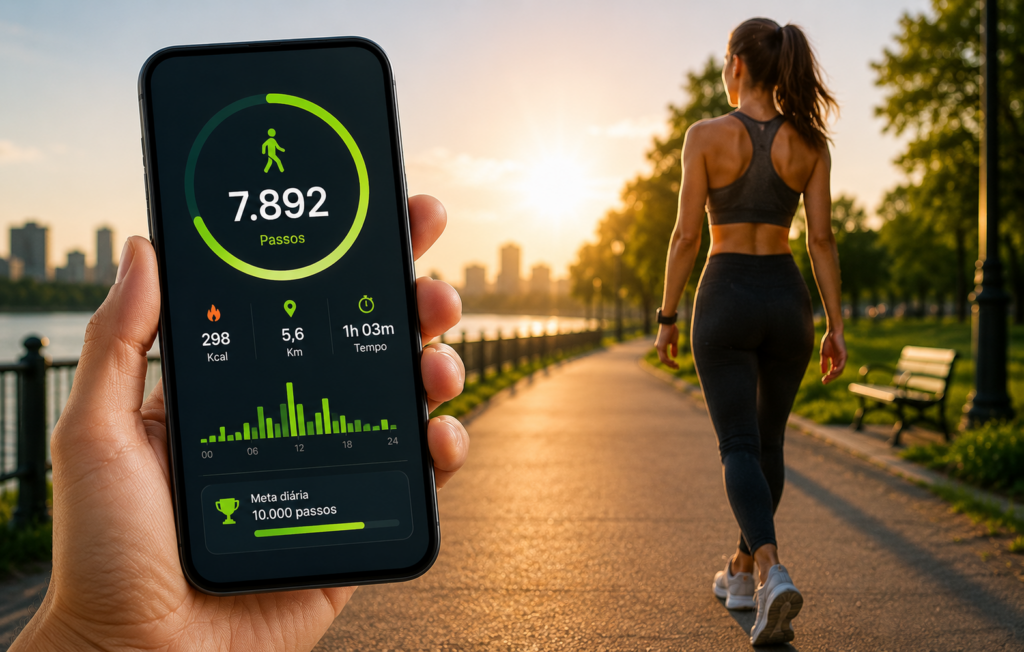
Step Counter App Revolutionizes Fitness Tracking
🎊 Making Step Counting a Sustainable Lifestyle Habit
The ultimate goal isn’t just to use a step counter app temporarily but to leverage it as a tool for lasting behavioral change. The most successful users view their app as a supportive companion rather than a strict taskmaster.
Give yourself permission to have low-step days occasionally without guilt. Life happens—illness, bad weather, unusually busy schedules, or simple fatigue are all valid reasons for reduced activity. What matters is the overall trend over weeks and months, not perfection every single day.
Celebrate your progress regularly. Review your monthly statistics to see how far you’ve come since starting. Many people are amazed to look back and realize they’re now routinely hitting targets that once seemed impossible. These reflections reinforce that your efforts are working and worth continuing.
Consider sharing your journey with others. Whether through the app’s social features, talking with family and friends, or posting about milestones on social media, external accountability and encouragement strengthen your commitment to staying active.
Remember that step counting is ultimately about improving your health and quality of life. The app provides valuable data and motivation, but the real achievement is how much better you feel with increased daily movement. More energy, improved mood, better sleep, and enhanced physical capacity are the true rewards—the step counts are simply the measurement that helps you get there.
