Anúncios
Real-time voice translator apps are transforming how we communicate across language barriers, making global conversations smoother, faster, and more accessible than ever before.
Whether you’re traveling abroad, conducting international business, or simply trying to connect with someone who speaks a different language, these innovative tools break down communication walls instantly. The technology behind voice translation has evolved dramatically, shifting from clunky, error-prone systems to sophisticated AI-powered solutions that understand context, accents, and cultural nuances.
Anúncios
In this comprehensive guide, we’ll explore everything you need to know about real-time voice translator applications—from how they work to which features matter most, and how to choose the perfect app for your specific needs. Let’s dive into the fascinating world of instant language translation! 🌍
🎯 What Makes Real-Time Voice Translation Revolutionary
The concept of instant translation isn’t new, but the execution has reached unprecedented levels of accuracy and speed. Modern voice translator apps leverage advanced neural networks and machine learning algorithms to process spoken words, interpret meaning, and deliver translations in milliseconds.
Anúncios
Unlike traditional translation methods that required typing or pointing at phrase books, voice translators capture the natural flow of conversation. They recognize speech patterns, adjust for regional dialects, and even pick up on emotional tones to provide more contextually appropriate translations.
This technology combines several sophisticated components working simultaneously: automatic speech recognition (ASR) converts your spoken words into text, natural language processing (NLP) interprets the meaning and context, machine translation engines convert the text to the target language, and text-to-speech (TTS) systems vocalize the translation in a natural-sounding voice.


🚀 Essential Features Every Quality Voice Translator Should Have
Not all translation apps are created equal. When evaluating options, certain features distinguish exceptional tools from mediocre ones. Understanding these capabilities helps you make informed decisions about which app deserves a spot on your smartphone.
Offline Functionality That Actually Works
The best voice translators don’t abandon you when WiFi disappears. Offline capabilities are crucial for travelers venturing into areas with limited connectivity. Quality apps allow you to download language packages beforehand, ensuring translations continue even without internet access.
While offline translations may not match the nuanced accuracy of cloud-based processing, they provide reliable basic communication when you need it most. This feature becomes invaluable in remote locations, during flights, or when roaming charges make constant connectivity prohibitively expensive.
Bidirectional Conversation Mode
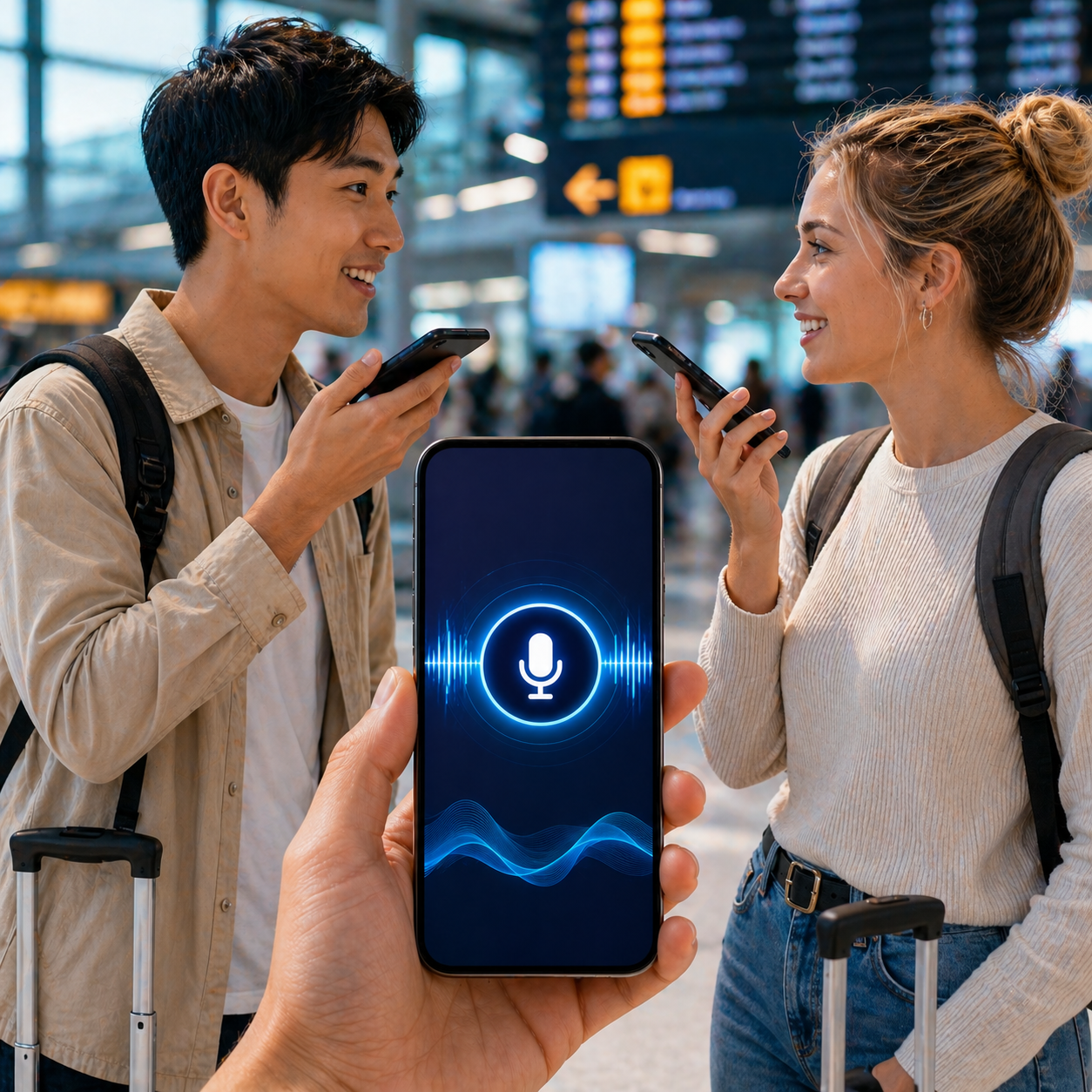
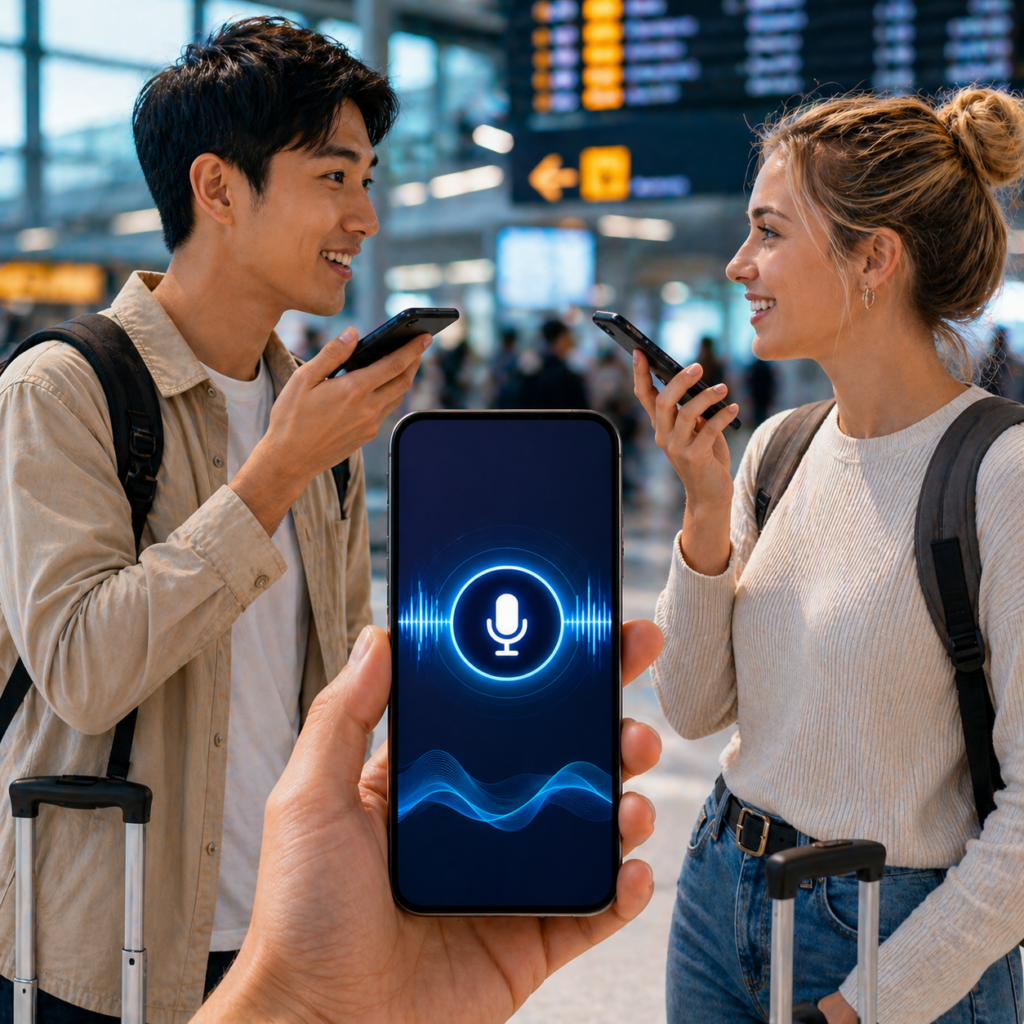
The conversation mode feature transforms your device into a real-time interpreter for two-way discussions. Both parties can speak naturally in their native languages while the app automatically detects who’s speaking and translates accordingly.
This creates a more organic dialogue flow compared to manually switching between language pairs. Advanced implementations even display both languages simultaneously on screen, allowing both speakers to verify translations and catch potential misunderstandings before they escalate.
Support for Multiple Dialects and Accents
Languages vary dramatically across regions. Spanish spoken in Madrid differs significantly from Mexican or Argentine Spanish. Top-tier translator apps recognize these distinctions and adjust their processing algorithms accordingly.
Accent recognition technology has improved tremendously, accommodating native speakers and non-native accents alike. This inclusivity ensures more accurate translations regardless of the speaker’s pronunciation patterns or regional variations. Professional Applications Beyond Travel
While tourism remains a primary use case, real-time voice translators have found remarkable applications in professional environments. Businesses operating across borders rely on these tools to facilitate smoother communication during meetings, negotiations, and collaborative projects.
Healthcare providers use translation apps to communicate with patients who speak different languages, ensuring accurate symptom descriptions and treatment understanding. Educational institutions employ them to support international students and facilitate cross-cultural academic collaboration.
Customer service departments leverage voice translation to expand their support capabilities globally without maintaining multilingual staff for every possible language combination. This scalability allows smaller businesses to compete in international markets previously accessible only to larger corporations.
🔍 How to Choose the Right Voice Translator App
Selecting the ideal translation app depends on your specific circumstances and requirements. Consider these factors carefully before committing to a particular solution:
- Language coverage: Ensure the app supports all languages you’ll need, including less common ones if relevant to your travel or business destinations
- Accuracy ratings: Research independent reviews and comparative studies measuring translation precision across different apps
- User interface: The app should be intuitive enough to use under pressure without consulting tutorials
- Privacy policies: Understand how your voice data and conversations are stored, processed, and potentially shared
- Cost structure: Evaluate whether free versions meet your needs or if premium features justify subscription costs
- Platform compatibility: Verify the app works seamlessly on your specific device and operating system version
📱 Maximizing Translation Accuracy in Real Conversations
Even the most sophisticated translation apps benefit from user awareness and proper usage techniques. Following best practices significantly improves translation quality and reduces miscommunication.
Speak Clearly and Deliberately
While modern apps handle conversational speech remarkably well, clarity still matters. Articulate your words without exaggerating pronunciation, maintaining a natural but deliberate pace. Avoid speaking too rapidly, which can cause the recognition system to miss word boundaries or misinterpret syllables.
Minimize background noise when possible. Find quieter spaces for important conversations, as ambient sounds can interfere with speech recognition accuracy. Some apps include noise-cancellation features, but reducing environmental interference at the source always produces better results.
Use Complete Sentences with Context
Translation algorithms perform better with complete thoughts rather than isolated words or fragments. Providing context through full sentences helps the AI understand intended meanings, especially for words with multiple definitions or cultural interpretations.
Avoid idioms, slang, and highly colloquial expressions when precision matters. These linguistic features rarely translate directly and often produce confusing or humorous misinterpretations. Stick to straightforward language for critical communications, saving creative expression for less consequential exchanges.
Verify Important Translations
For crucial conversations—medical discussions, legal matters, financial transactions—don’t rely solely on app translations. When possible, have the translated message back-translated to your original language to verify accuracy. This bidirectional verification catches potentially dangerous misunderstandings before they cause problems.

🌐 The Technology Powering Modern Voice Translation
Understanding the underlying technology helps appreciate both the capabilities and limitations of current translation apps. These systems represent some of the most impressive applications of artificial intelligence available to everyday consumers.
Neural machine translation (NMT) has largely replaced older statistical methods, producing more natural-sounding and contextually appropriate translations. These deep learning models train on massive multilingual datasets, learning language patterns, grammatical structures, and semantic relationships across different linguistic families.
Continuous learning mechanisms allow these systems to improve over time. User corrections, feedback, and new data constantly refine translation models, making them progressively more accurate. This explains why translation quality has improved so dramatically over recent years and continues advancing rapidly.
🔐 Privacy Considerations When Using Translation Apps
Voice translator apps necessarily process sensitive audio data, raising legitimate privacy concerns. Understanding how different apps handle your information helps you make informed choices about which tools to trust with your conversations.
Some applications process all translations through cloud servers, meaning your voice data travels across the internet to remote data centers. While this enables superior accuracy through powerful processing, it also creates potential privacy vulnerabilities and data retention questions.
Read privacy policies carefully before using translation apps for sensitive conversations. Understand whether recordings are stored, how long data is retained, whether information is used for advertising purposes, and if conversations might be reviewed by human operators for quality improvement.
Apps with robust offline modes offer enhanced privacy since translations occur entirely on your device without transmitting data externally. However, this privacy advantage comes at the cost of slightly reduced accuracy compared to cloud-based processing.
✈️ Essential Tips for Travelers Using Voice Translators
Voice translation apps have become indispensable travel companions, but maximizing their utility requires preparation and strategic usage. These practical tips help you navigate foreign countries more confidently and effectively.
Download necessary language packages before leaving WiFi-enabled locations. Don’t assume you’ll always have connectivity when you need it most. Airports, hotels, and cafes with free WiFi provide perfect opportunities to prepare your app for offline use.
Familiarize yourself with the app interface before critical situations arise. Practice using conversation mode, switching language pairs, and accessing saved phrases while you’re still in comfortable surroundings. Fumbling with unfamiliar features while trying to order food or ask directions creates unnecessary stress.
Create a favorites list or phrasebook with commonly needed expressions specific to your destination. Quick access to phrases like “Where is the bathroom?” “I have a food allergy,” or “Please call a doctor” can prove invaluable during emergencies when you’re too stressed to speak clearly into the translator.
🎓 Educational Benefits of Translation Technology
Beyond facilitating immediate communication, voice translator apps offer unexpected educational advantages. Language learners discover these tools provide immersive practice opportunities and instant feedback that traditional study methods can’t match.
Hearing proper pronunciation from native-quality text-to-speech systems helps users develop better accents and intonation patterns. Comparing your speech to the app’s interpretation reveals pronunciation weaknesses and areas needing improvement.
Translation apps expose learners to authentic vocabulary and sentence structures used in real conversations rather than textbook examples. This practical exposure accelerates comprehension and builds confidence for actual interactions with native speakers.
Some users employ translation apps as supplementary study tools, verifying their understanding of foreign language content or checking their own translation attempts against AI suggestions. This interactive learning approach engages multiple cognitive processes simultaneously, strengthening memory retention.
🔮 Future Developments in Voice Translation Technology
The voice translation landscape continues evolving rapidly, with exciting innovations on the horizon promising even more seamless cross-language communication. Staying informed about emerging trends helps you anticipate new capabilities and plan accordingly.
Emotional intelligence integration represents a fascinating frontier. Future translators may detect and preserve emotional tone, sarcasm, humor, and subtle contextual cues that current systems sometimes miss. This advancement would make translated conversations feel more natural and authentic.
Augmented reality integration could overlay translated text directly onto real-world objects through your smartphone camera or specialized glasses. Imagine pointing your device at a foreign menu and seeing instant translations superimposed over each dish description.
Improved dialect and rare language support will democratize access to translation technology for speakers of currently underserved languages. As training datasets expand and algorithms become more efficient, even languages with relatively few speakers will receive quality translation support.
💡 Making the Most of Your Translation App Investment
Whether you choose free or premium translation solutions, maximizing value from these tools requires intentional usage strategies. Implement these approaches to extract full benefit from your voice translator app.
Regular updates matter tremendously. Translation models improve constantly, and developers release updates containing better algorithms, expanded vocabulary, and bug fixes. Enable automatic updates or manually check for new versions frequently to ensure you’re benefiting from the latest improvements.
Explore all features thoroughly rather than limiting yourself to basic translation. Many apps include additional capabilities like camera translation for signs and menus, saved conversation histories, pronunciation guides, and cultural notes that enhance understanding beyond mere word-for-word conversion.
Provide feedback when translations seem incorrect. Many apps include rating or correction mechanisms that feed user input back into improvement processes. Your contributions help refine algorithms for everyone while potentially earning you premium features or extended trial periods.
🌟 Real-World Success Stories and Practical Applications
Understanding how others successfully employ voice translator apps provides inspiration and practical ideas for your own usage. These real scenarios demonstrate the transformative power of instant translation technology.
Business professionals close international deals with clients they couldn’t have communicated with just years ago. Sales representatives demonstrate products to multilingual audiences simultaneously, expanding market reach without proportionally increasing staffing costs.
Solo travelers navigate complex situations in countries where English isn’t widely spoken, experiencing authentic local culture rather than limiting themselves to tourist-oriented areas. They order from neighborhood restaurants, use public transportation confidently, and form genuine connections with local residents.
Emergency responders communicate critical information with accident victims who don’t share a common language. Medical personnel gather accurate symptom descriptions from patients, potentially saving lives through improved diagnostic accuracy and treatment compliance.
The possibilities extend far beyond these examples, limited only by creativity and willingness to embrace technology as a communication bridge. Real-time voice translators don’t replace language learning, but they remove barriers that previously prevented connection, collaboration, and understanding across linguistic divides. 🚀
